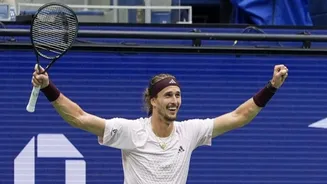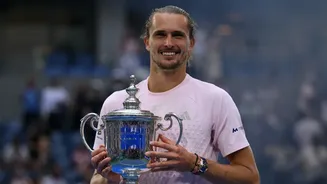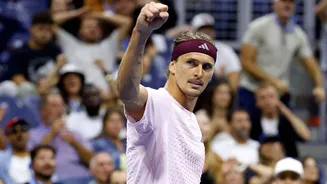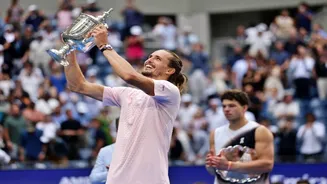



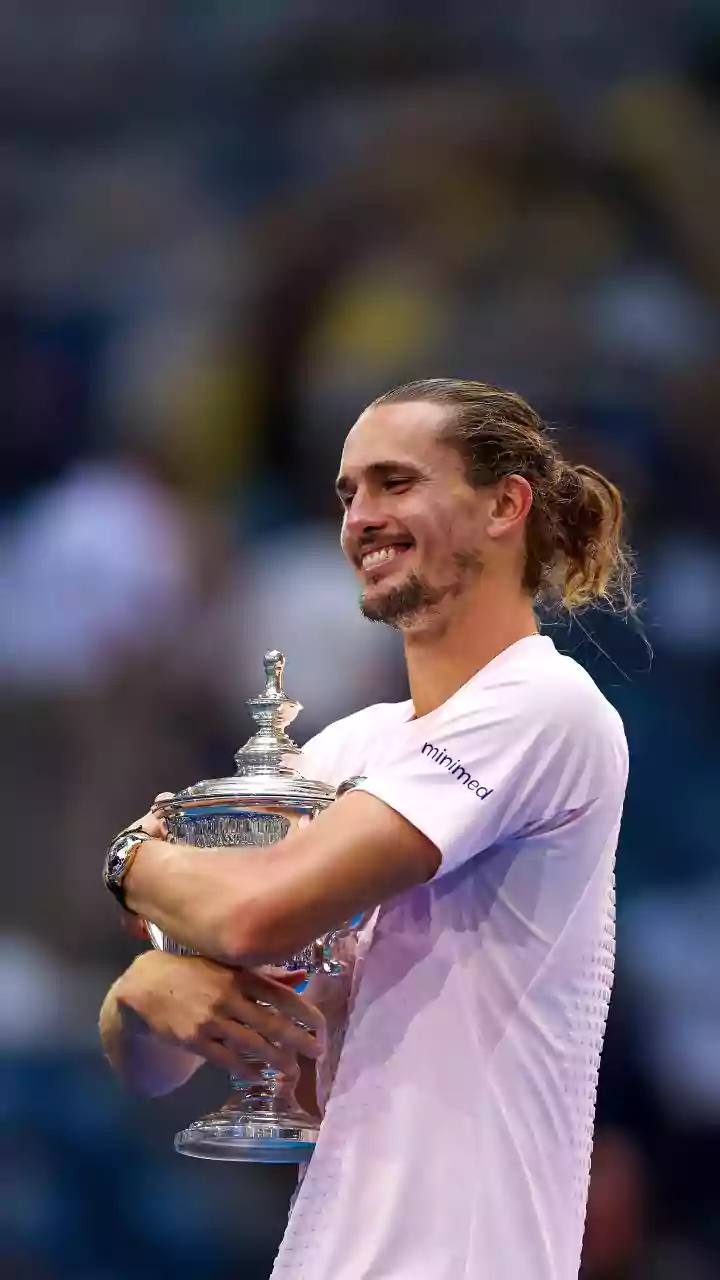




No pun intended, this victory tastes even sweeter for Alexander Zverev. Not touted as a favourite a fortnight back at the US Open, the Type 1 diabetic
showed that adversity is there to be battled. The harder the challenge, the more the grit and gumption. It is this spirit, plus that never-say-die attitude, that saw ‘Sascha’ outgun Ben Shelton in 3 hours and 33 minutes in New York on Sunday night to win the men’s singles title. Why was this win sweet? Firstly, to be in three Major finals in 2026 and emerge on top in the final Grand Slam in hot and humid New York, Zverev has conquered so many barriers. His tennis stuff, all know. The German has fought every minute of his life for survival since age four, battling Type 1 diabetes. For those not well-versed with the travails of blood sugar — high and low — Zverev has been right up there. It’s not easy to manage sugar levels when the body does not produce own insulin. To keep track of scores, what the rival is doing on court is OK for a tennis player. But to hear beeps on a cell phone, check sugar levels, and then keep adjusting insulin dosing, food, liquid intake, and more, it’s mind over matter. Zverev has been doing it for over 25 years now. What’s it that Zverev has done this year that has catapulted him to the top of the charts? Was not the 2026 season supposed to be all about Jannik Sinner and Carlos Alcaraz? They dealt with injuries, fitness woes, and so on. Add to it that Novak Djokovic is unable to deal with heat cramps, during which he throws up, clutches at his stomach, and nearly passes out; tennis has been made to look too tough. Can you and I even think of what it takes for Alexander Zverev to battle heat, humidity, a drop in calorie intake, and manage optimal sugar levels? Yes, advancements in medical science, research in diabetes, and embracing technology has helped. But that does not mean an athlete is stress-free. Low blood sugar, known as hypo, can send a human even into a coma. It’s that serious. High sugar, or uncontrolled sugar, can weaken limbs and muscles. Now, this is perspective, on how Zverev battles the challenges. In the good old days, the only way out was to use the finger prick test and check blood sugar levels. One does not need to do that now that CGM (continuous glucose monitoring) is available. It sticks to a diabetic patient’s upper arm, and readings are flashed on a cell phone. Zverev has had to fight authorities to allow him to use this. Three years ago, there was also a problem with the authorities at the French Open, but now it's settled. Technology is tricky. There are times when the CGM is cumbersome and throws errors. So, during changeover, Zverev has to do a quick finger-prick test to check his blood sugar level. He uses the ‘insulin pen’ to inject the hormone and then stabilise his sugar before the chair umpire says ‘Time.’ Had Zverev been weak in head and heart, he would not have got this far. How 2026 has been a remarkable year in terms of consistency; it’s all about staying strong mentally and dealing with diabetes and opponents with a cool approach. To win on clay at the French Open was daring earlier this year. Paris is all about endurance and stamina. The US Open is more demanding in terms of heat and humidity. It’s a tribute to Zverev; he has shown the world that diabetes is not disability. Just to jog the reader’s memory, master of pace and swing, Wasim Akram was diagnosed with Type 1 diabetes in 1997. He had to use insulin injections, which Akram made look easy. To continue plying his trade till 2003, Akram never talked too much about the travails of sugar management. Imagine: constant pricks; before the CGM, it was traumatic. Lessons learned for sports stars: there is nothing like a handicap. Para-Athletes keep fighting disability, and now we have insulin-dependent athletes perform beautifully. So sweet, this, from Zverev. Raise a toast for the champion from Germany. You inspire millions across the globe.