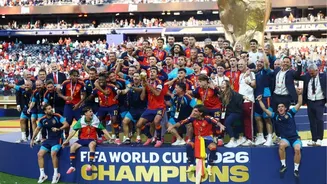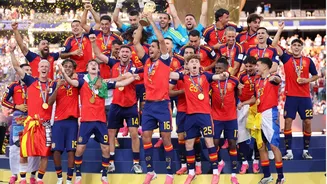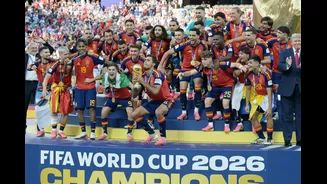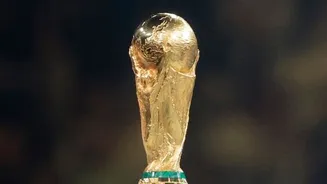





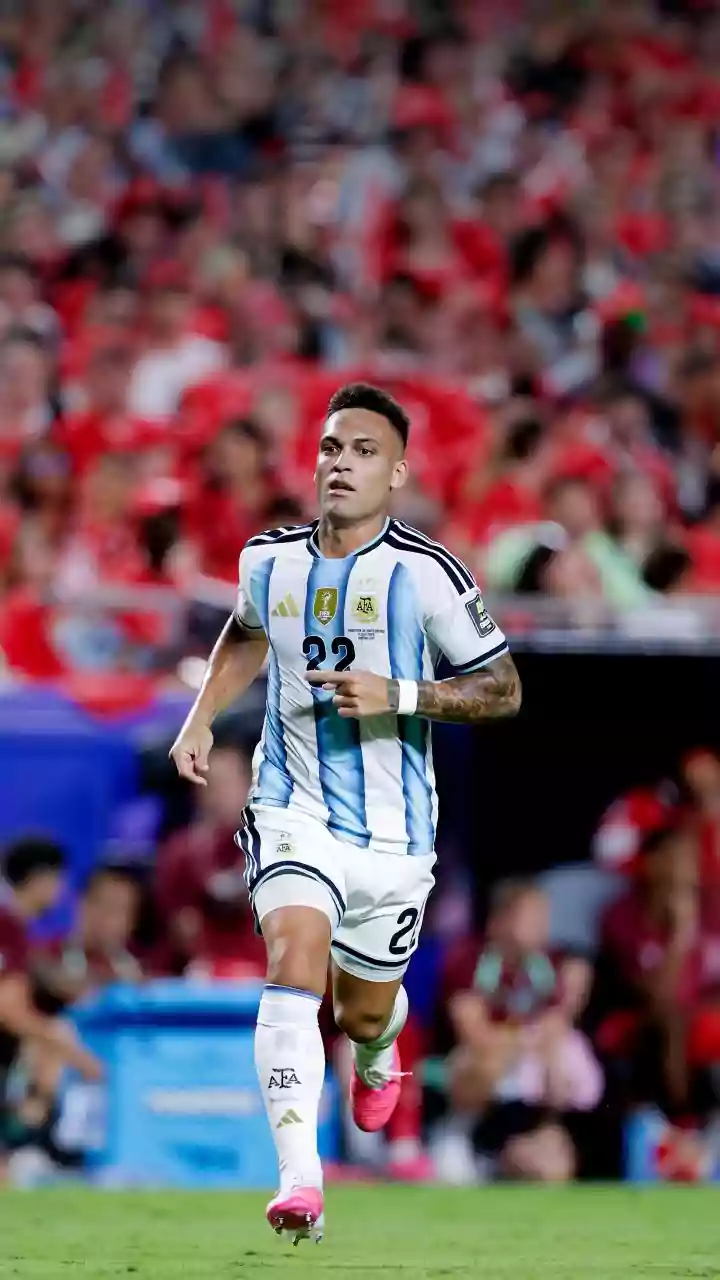

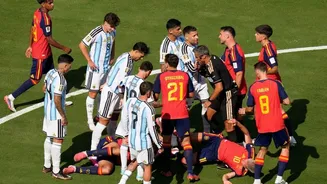


The countdown to the next FIFA World Cup has officially kicked off now that the 2026 tournament has wrapped up as Spain beat Argentina in World Cup final 2026. The 2030 FIFA World Cup is set to make history
by being held across six countries and three continents for the very first time! The opening matches will take place in South America, and then the action will move to the main hosts in Europe and Africa.
This special format is particularly significant as it marks 100 years since the inaugural FIFA World Cup, featuring centenary matches in Uruguay, Argentina, and Paraguay before the tournament continues in Spain, Portugal, and Morocco.
FIFA made the announcement about the 2030 hosts during an Extraordinary FIFA Congress on December 11, 2024. Spain, Portugal, and Morocco have been chosen as the primary co-hosts, while Uruguay, Argentina, and Paraguay will each host one opening-round match to honor the tournament's centenary. This event is shaping up to be one of the most unique editions in World Cup history.
All You Need to Know About the 2030 FIFA World Cup
When is the Next FIFA World Cup?
The upcoming FIFA World Cup is set for 2030, and it’s shaping up to be quite the event. According to FIFA's proposed schedule, the centenary matches are slated for June 8 and 9 in Uruguay, Argentina, and Paraguay. Following that, the main tournament will kick off in Morocco, Portugal, and Spain on June 13 and 14. Fans can look forward to the final, which is anticipated to take place on July 21, though FIFA still needs to release the full official fixture list.
Where Will the 2030 World Cup Be Held?
Most of the matches are set to take place in Spain, Portugal, and Morocco. However, Uruguay, Argentina, and Paraguay will each kick off the tournament with one opening-round match before it shifts entirely to the three main host nations. Uruguay's match pays tribute to its historic role as the host of the very first World Cup back in 1930. Argentina's game celebrates its participation in that inaugural final, while Paraguay's fixture highlights its significance as the heart of CONMEBOL. This tournament will mark the first men's World Cup to be held across six countries and three continents. As of now, FIFA has yet to finalize the list of host cities and stadiums.
Qualified Teams for World Cup 2030
Six nations have already secured automatic qualification as hosts. They are Spain, Portugal, Morocco, Uruguay, Argentina and Paraguay. The remaining 42 places will be decided through continental qualification tournaments over the coming years.
Schedule
Teams participating in the South American centenary matches will get some additional time for travel and recovery before their next group games. Following the matches on June 8-9, the grand opening ceremony and the first games in the three main host countries are set to take place on June 13 and 14. The other teams in those groups are lined up to kick off on June 15 and 16, while the second round of group matches is slated for June 21 and 22. As of now, FIFA hasn't shared the complete schedule.
Could the Tournament Expand to 64 Teams?
The 2030 edition is set to feature 48 teams, sticking with the format that debuted in 2026. However, FIFA President Gianni Infantino has mentioned that they will consider a proposal to expand the tournament to 64 teams. He thinks that having more nations involved could elevate the competition and give more countries a chance to shine on the global stage, but as of now, no final decision has been reached.
History of the FIFA World Cup
The FIFA World Cup started after football's impressive success at the 1924 and 1928 Olympic Games, both of which were clinched by Uruguay. In 1928, FIFA gave the green light for the first standalone World Cup, and Uruguay proudly hosted the inaugural tournament in 1930. Thirteen teams took part, and in a thrilling final, Uruguay triumphed over Argentina with a score of 4-2, becoming the very first world champions. Since that historic moment, the tournament has grown significantly, expanding from 13 teams to 32 in 1998 and then to 48 in 2026. The 2030 edition will not only mark a century of this prestigious event but will also introduce its most globally inclusive hosting model to date.