







What is the story about?
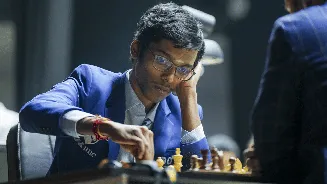
R Praggnanandhaa just pulled off what surely will be remembered as one of the most incredible comebacks ever witnessed in chess.
The Indian Grandmaster was languishing at the bottom of the six-player standings after six rounds following back-to-back losses, including against compatriot and world champion D Gukesh. At that point of the tournament, his chances of winning the tournament four rounds later would have been the same as that of Imran Khan’s Pakistan at the halfway stage of the 1992 World Cup, or that of Liverpool during halftime in the 2005 Champions League final against AC Milan.
Finishing among the top-three would have been considered an ideal conclusion to his campaign at that point. And given Pragg’s struggles in recent tournaments that mirrored Gukesh’s own poor form over the past one year, such a goal would have been considered realistic. And yet, Praggnanandhaa pulled off a miracle for the ages, similar to what the aforementioned teams had achieved in their respective tournaments/matches.
In an event as strong as Norway Chess, where winning two Classical games on the trot would have drawn praise from experts and fans alike, Pragg won four on the trot in the second half of the campaign. The winning streak included a
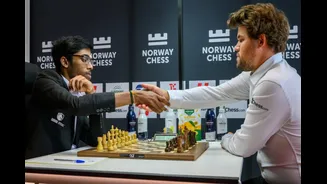
second win against world No 1 and defending champion Magnus Carlsen, an individual for whom losing one game would be considered an anomaly, let alone two against the same opponent.
The streak also helped the 20-year-old avenge his defeats against Gukesh and Alireza Firouzja earlier in the tournament, and concluded with a 45-move victory over Vincent Keymer in the 10th and final round on Friday. Praggnanandhaa thus surged ahead of Wesley So on the standings and became the first Indian to win the tournament.
Pragg appeared to have been powered by his mother Nagalakshmi’s blessings, having spoken to her over the phone right before his seventh-round clash against Firouzja, which marked the beginning of his incredible turnaround.
Powerful a force as it may be, Praggnanandhaa couldn’t rely on blessings alone to revive his campaign and had to bring changes to his game in order to rediscover the winning formula. And in each of his post-game interviews with the broadcasters in the last four rounds, one factor stood out above all else – time management.
Praggnanandhaa revealed that it was his inability to manage his time well and avoid getting into a mad rush in the endgame that had proved to be his downfall at Oslo’s Deichman Bjorvika, the venue for the latest edition of the tournament. Even if he was firmly on top during the game and had made all the right moves, Praggnanandhaa’s game plan would inevitably fall apart towards the end in the time scramble.
“Just close your eyes and make moves,” Praggnanandhaa said after beating Firouzja in 51 moves while playing with white pieces in Round 7.
And on Friday, in his first interview as the Norway Chess champion, Praggnanandhaa acknowledged it as one of the key reasons behind his incredible turnaround by allowing him to think more clearly and make better decisions.
“Somehow things went all my way. I also feel I started playing with more control, which is always a good thing.
“It’s just that I decided I will play a bit faster than I was doing. I was having time advantage in every game and I was also able to play decent quality moves, so I think that certainly helped,” Praggnanandhaa added.
The change in Pragg’s preparation and approach was evident from the fact that he had over 30 minutes left on the clock compared to a little under five for Firouzja in the seventh round after 30 moves.
Against Carlsen on the following day, the Indian GM had nearly 20 minutes on the clock at a similar stage compared to less than three for his revered opponent. The result? A massive blunder by the home favourite in the 48th move, that led to Pragg’s victory just two moves later. The numbers were fairly similar in the penultimate round against Gukesh, who suffered the quickest loss of Pragg’s four consecutive wins at the back end of the tournament.
As for the finale against Keymer, there wasn’t much to separate the two on the clock with Pragg remaining only slightly ahead of his opponent for most of the endgame. However, he already had his opponent cornered in that phase, with the eval bar tilting heavily in his favour. And in such a scenario, five minutes were enough for Praggnanandhaa to drive home what might have been the most important win of his career.
It’s been an incredible few months for Nagalakshmi and Rameshbabu, with their daughter Vaishali successfully defending her Fide Grand Swiss title in September and
winning the Women’s Candidates in Cyprus in April to setup a World Championship showdown with Ju Wenjun.
And now her brother Pragg has made the family proud once again by pulling off what arguably is the biggest victory for Indian chess since Gukesh’s historic World Championship triumph in December 2024, achieving it in some style at that.
The Indian Grandmaster was languishing at the bottom of the six-player standings after six rounds following back-to-back losses, including against compatriot and world champion D Gukesh. At that point of the tournament, his chances of winning the tournament four rounds later would have been the same as that of Imran Khan’s Pakistan at the halfway stage of the 1992 World Cup, or that of Liverpool during halftime in the 2005 Champions League final against AC Milan.
Making history in Norway, one Classical victory at a time
Finishing among the top-three would have been considered an ideal conclusion to his campaign at that point. And given Pragg’s struggles in recent tournaments that mirrored Gukesh’s own poor form over the past one year, such a goal would have been considered realistic. And yet, Praggnanandhaa pulled off a miracle for the ages, similar to what the aforementioned teams had achieved in their respective tournaments/matches.
🇮🇳 PRAGG WINS NORWAY CHESS 2026
From last place in round 6, and 4 back-to-back wins, he finishes first 🤯🤯#NorwayChess pic.twitter.com/J0XbX91NQ4
— Norway Chess (@NorwayChess) June 5, 2026
In an event as strong as Norway Chess, where winning two Classical games on the trot would have drawn praise from experts and fans alike, Pragg won four on the trot in the second half of the campaign. The winning streak included a
The streak also helped the 20-year-old avenge his defeats against Gukesh and Alireza Firouzja earlier in the tournament, and concluded with a 45-move victory over Vincent Keymer in the 10th and final round on Friday. Praggnanandhaa thus surged ahead of Wesley So on the standings and became the first Indian to win the tournament.
Pragg appeared to have been powered by his mother Nagalakshmi’s blessings, having spoken to her over the phone right before his seventh-round clash against Firouzja, which marked the beginning of his incredible turnaround.
The tweak that made Pragg’s dream a reality
Powerful a force as it may be, Praggnanandhaa couldn’t rely on blessings alone to revive his campaign and had to bring changes to his game in order to rediscover the winning formula. And in each of his post-game interviews with the broadcasters in the last four rounds, one factor stood out above all else – time management.
Praggnanandhaa revealed that it was his inability to manage his time well and avoid getting into a mad rush in the endgame that had proved to be his downfall at Oslo’s Deichman Bjorvika, the venue for the latest edition of the tournament. Even if he was firmly on top during the game and had made all the right moves, Praggnanandhaa’s game plan would inevitably fall apart towards the end in the time scramble.
“Just close your eyes and make moves,” Praggnanandhaa said after beating Firouzja in 51 moves while playing with white pieces in Round 7.
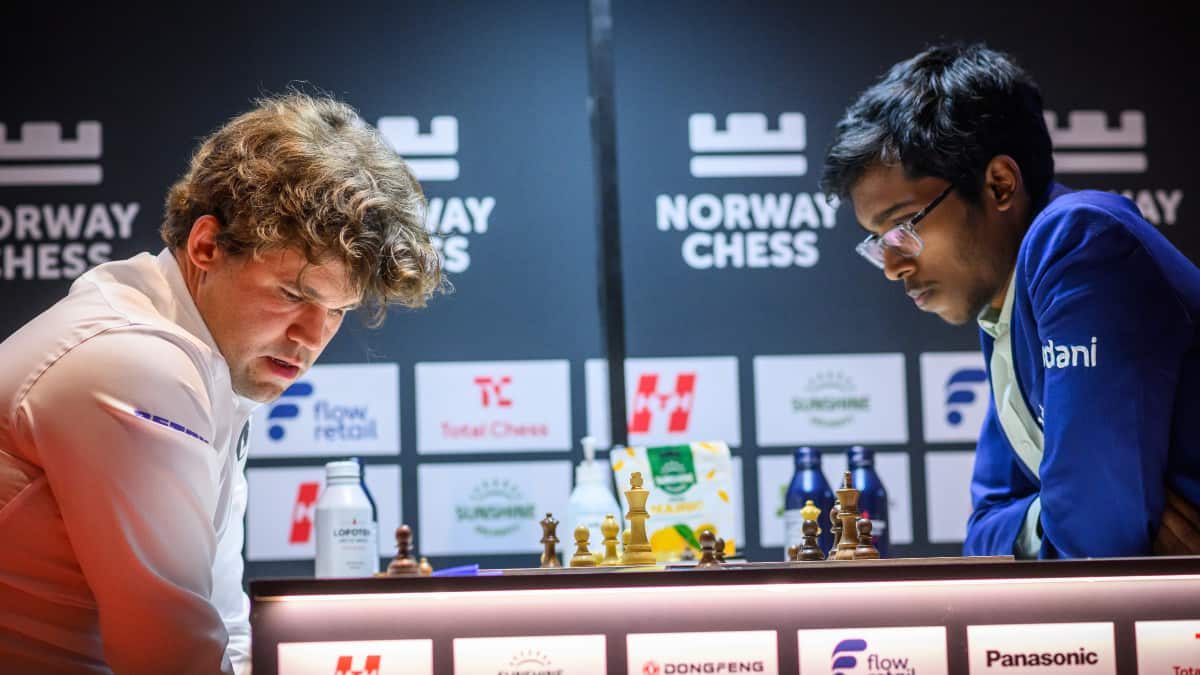
R Praggnanandhaa completed an unprecedented double against Magnus Carlsen at the 2026 Norway Chess, defeating the world No 1 in 50 moves with black pieces in Round 8. Image credit: Michal Walusza / Norway Chess
And on Friday, in his first interview as the Norway Chess champion, Praggnanandhaa acknowledged it as one of the key reasons behind his incredible turnaround by allowing him to think more clearly and make better decisions.
“Somehow things went all my way. I also feel I started playing with more control, which is always a good thing.
“It’s just that I decided I will play a bit faster than I was doing. I was having time advantage in every game and I was also able to play decent quality moves, so I think that certainly helped,” Praggnanandhaa added.
The change in Pragg’s preparation and approach was evident from the fact that he had over 30 minutes left on the clock compared to a little under five for Firouzja in the seventh round after 30 moves.
Against Carlsen on the following day, the Indian GM had nearly 20 minutes on the clock at a similar stage compared to less than three for his revered opponent. The result? A massive blunder by the home favourite in the 48th move, that led to Pragg’s victory just two moves later. The numbers were fairly similar in the penultimate round against Gukesh, who suffered the quickest loss of Pragg’s four consecutive wins at the back end of the tournament.
As for the finale against Keymer, there wasn’t much to separate the two on the clock with Pragg remaining only slightly ahead of his opponent for most of the endgame. However, he already had his opponent cornered in that phase, with the eval bar tilting heavily in his favour. And in such a scenario, five minutes were enough for Praggnanandhaa to drive home what might have been the most important win of his career.
An incredible few months for Indian chess’ ‘first family’
It’s been an incredible few months for Nagalakshmi and Rameshbabu, with their daughter Vaishali successfully defending her Fide Grand Swiss title in September and
And now her brother Pragg has made the family proud once again by pulling off what arguably is the biggest victory for Indian chess since Gukesh’s historic World Championship triumph in December 2024, achieving it in some style at that.