




Scalp Massage Benefits
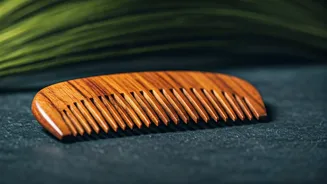
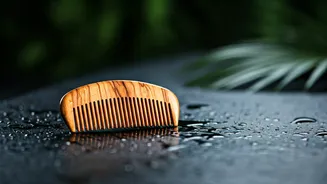
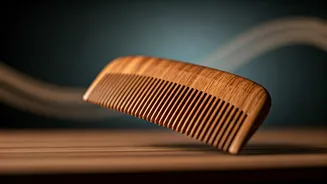
The popular Japanese practice of nightly scalp massage using a wooden comb, often shared on social media, has roots in traditional home care and is gaining
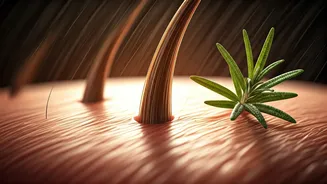
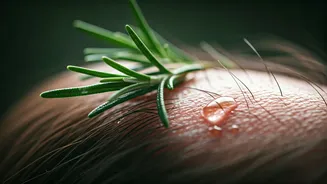
modern attention for its perceived impact on hair, particularly concerning premature greying. Dermatologists suggest there's a scientific basis to this ritual. Massaging the scalp is known to significantly improve blood circulation. This enhanced blood flow delivers more oxygen and vital nutrients directly to the hair follicles. Such improved circulation can foster healthier hair growth and potentially slow down the depletion of pigment cells, which is the primary cause of hair turning grey. However, it's crucial to understand that greying is a complex process influenced by multiple factors, including genetics, age, and overall lifestyle. While a wooden comb massage can be beneficial, it's unlikely to be a complete preventative measure against greying on its own.
Beyond Circulation
While improved blood flow is a key component, the perceived effectiveness of the Japanese wooden comb ritual extends to its impact on stress and relaxation. According to experts, these traditional practices often intertwine lifestyle habits with biological responses. A gentle scalp massage performed at night does more than just deliver nutrients; it actively reduces stress levels, promoting a sense of calm and relaxation. Stress is a well-documented trigger for both premature greying and increased hair loss. Therefore, individuals who consistently incorporate this habit into their routine may observe improvements not due to any mystical properties, but rather because the practice effectively mitigates stress and offers overall nourishment to the scalp. This dual action of physical stimulation and stress relief contributes to a more holistic approach to hair care.
Who Should Try?
For most individuals, incorporating a gentle scalp massage with a wooden comb or even fingertips for a minute or two is a harmless addition to their hair care routine. There are generally no contraindications for the average person. However, specific caution is advised for individuals experiencing existing scalp conditions. Those suffering from conditions such as eczema, psoriasis, or any active scalp infections should consult with a dermatologist before attempting any new scalp massage practices. A healthcare professional can provide personalized advice and ensure that the ritual won't exacerbate their condition. For those without such concerns, it's generally safe to explore this relaxing practice.
Realistic Expectations
It is important to approach the wooden comb ritual with realistic expectations, understanding that it is not a miracle cure for hair issues. While scalp massage and combing can certainly be a valuable component of a comprehensive hair care regimen, the primary determinant of hair greying remains largely genetic. For maintaining overall hair health, a balanced diet, adequate sleep, and effective stress management strategies are paramount. For individuals who have already begun to experience greying, evidence-based solutions typically involve cosmetic options like hair dyes or medical interventions rather than solely relying on massage. Therefore, viewing the ritual as a supplementary wellness practice rather than a definitive solution is key.
A Self-Care Practice
Ultimately, the Japanese wooden comb scalp massage can be considered a worthwhile 'wellness practice' for many. It is an accessible and affordable way to engage in self-care. Beyond its potential hair benefits, the ritual is known for its relaxing properties, which can contribute to enhanced hair texture and improved sleep quality. Rather than expecting a cure for hair-related concerns, it's more beneficial to embrace this practice as a form of self-indulgence and relaxation. If you find joy and tranquility in established rituals that help you unwind before bed, this calming practice can be a delightful addition to your nightly routine, promoting overall well-being.