




Dal Dilemmas Explained
In the realm of Indian cuisine, lentils are fundamental, providing essential nutrients and comfort. As fitness goals become more prominent, the spotlight
intensifies on everyday foods like moong and arhar dal, questioning which might better support weight management. Both are nutritional powerhouses and culinary chameleons, yet subtle distinctions in their calorie counts, protein levels, ease of digestion, and ability to keep you feeling full can significantly sway meal planning and portion control for those aiming to lose weight. While some gravitate towards moong dal for its perceived lightness and rapid digestion, others find arhar dal to be a more substantial and familiar component of their daily meals. It's crucial to remember that weight loss is a multifaceted endeavor, influenced not just by individual ingredients but also by preparation techniques, serving sizes, and the accompaniments to your dal. Understanding these nuances empowers you to make informed dietary choices without sacrificing beloved foods.
Nutritional Showdown
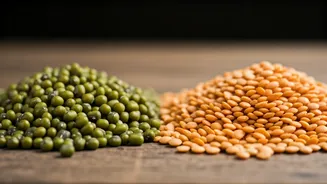
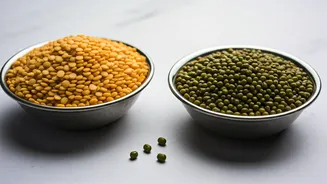
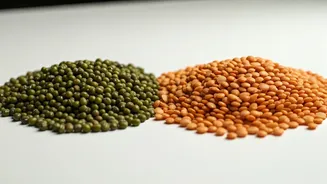
When scrutinizing the nutritional landscape, both moong dal and arhar dal emerge as excellent choices for weight-conscious individuals, with Kanikka Malhotra, a consultant dietician and diabetes educator, highlighting their low-fat, nutrient-dense nature. On average, 100 grams of cooked moong dal contains approximately 120-140 calories, 7-8 grams of protein, and 4-5 grams of fiber. In comparison, the same quantity of cooked arhar dal offers slightly more calories, around 130-150 kcal, along with a comparable protein content of 7-8 grams, but boasts a marginally higher fiber content, ranging from 5-6 grams. Malhotra points out that moong dal holds a slight advantage due to its lower calorie count and more straightforward digestibility, attributed to its less complex fiber structure. This can lead to a greater sense of fullness relative to the calories consumed, making moong dal a more efficient choice for maintaining a modest calorie deficit, a cornerstone of weight loss strategies. While neither dal is definitively 'better,' moong dal’s lighter composition generally aligns well with a calorie-controlled diet.
Satiety and Energy
The interplay of fiber, protein quality, and digestibility plays a crucial role in how long you feel satisfied after a meal and how your body manages energy levels, impacting weight management. Malhotra explains that the fiber and high-quality protein in moong dal work synergistically to slow down digestion, ensuring a gradual release of energy and helping to stabilize blood sugar levels. This prevents the dreaded energy crashes and subsequent cravings that can derail dietary efforts. Arhar dal, with its higher fiber content, also contributes to satiety and blood sugar regulation. However, for some individuals, the complex fibers in arhar dal might lead to a feeling of heaviness or even bloating, and it can have a slightly higher glycemic index (GI) compared to moong dal. Moong dal's smoother digestion offers a more comfortable eating experience, allowing for consistent food intake without digestive discomfort. Both dals are valuable for muscle building, but moong dal's quicker energy provision makes it an excellent option for fueling a busy day, supporting sustained activity without feeling weighed down.
Smart Portions & Cooking
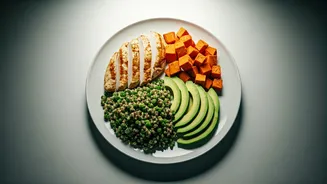
To effectively integrate either moong dal or arhar dal into a weight loss plan, mindful portioning and preparation are key, according to expert recommendations. Malhotra advises individuals aiming for weight loss to target approximately 30-40 grams of dry dal per serving. This translates to roughly half to three-quarters of a cup when cooked, yielding about 100-120 calories. The recommended preparation method involves soaking the dal beforehand to reduce cooking time and enhance digestibility. Moong dal typically requires 20-30 minutes of pressure cooking, while arhar dal needs 40-50 minutes. During cooking, limit added fats to just a teaspoon and incorporate healthful spices like turmeric (haldi) and cumin (jeera). To maximize fiber intake and nutritional value without adding significant calories, pair your dal with leafy greens such as spinach (palak) or bottle gourd (lauki), a fresh, crunchy salad, or a single whole wheat roti. It’s best to avoid rich, heavy 'tadka' (tempering) preparations. For lighter evening meals that support weight loss goals, moong dal is particularly well-suited, helping you stay on track with your dietary objectives.