






The Reverse Hyper Explained
Shilpa Shetty recently spotlighted an exercise she terms a 'most underrated glute builder,' transforming her lower body strength and look. This move, known
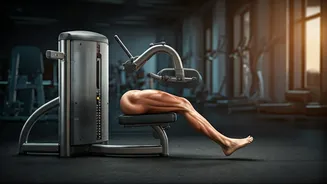
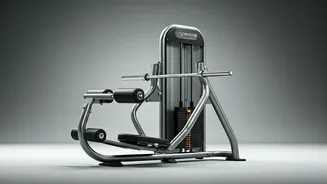
as the reverse hyper, targets the glutes effectively through hip extension, offering a comprehensive approach to posterior chain development. It's not just about aesthetics; this exercise is crucial for building hip extension strength, which has significant carryover to fundamental movements like squats and deadlifts, as well as enhancing athletic performance. Furthermore, it fosters a balanced posterior chain by simultaneously engaging the glutes, hamstrings, and lower back muscles, contributing to overall functional fitness and a more aesthetically pleasing physique by defining the gluteus maximus, medius, and minimus.
Benefits Beyond Glutes
The reverse hyper exercise offers a remarkable array of benefits extending beyond simple glute activation. It is particularly lauded for being 'lower-back friendly,' a crucial aspect for many individuals. This exercise strengthens the entire posterior chain, which includes the glutes, hamstrings, and lower back, while simultaneously decompressing the spine. This decompression can help alleviate stiffness and improve circulation in the lower back area. By engaging in controlled repetitions, one can enhance spinal health and reduce discomfort. The exercise significantly builds hip extension strength, a vital component for athletic movements and foundational lifts such as squats and deadlifts, making it an indispensable addition to any serious training regimen.
Proper Execution Guide
To maximize the benefits and ensure safety, precise execution of the reverse hyper is paramount. The primary cue is to initiate the lift through the glutes, maintaining a deliberate contraction at the peak of the movement, followed by a controlled descent. Fitness experts recommend aiming for 3 sets of 15-18 repetitions. The tempo should be carefully managed: a controlled upward lift, a 1-2 second squeeze at the top to maximize glute engagement, and a slow, deliberate lowering phase. Adequate rest between sets, typically 45-60 seconds, is essential to allow for recovery and maintain performance across all repetitions.
Technique and Safety Tips
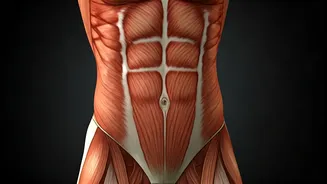
To safely and effectively perform reverse hypers, attention to alignment and core engagement is key. Fitness expert Garima Goyal emphasizes maintaining a straight line through your feet, knees, and hips during the movement, warning against allowing the knees to converge inward. It's also crucial to preserve a natural curve in your lower back, avoiding excessive arching which can lead to strain. Engaging your core by drawing your belly button towards your spine is vital for stabilizing the lumbar region throughout the exercise. Ultimately, the emphasis should always be on controlled, fluid movements rather than jerky actions to ensure optimal muscle activation and prevent potential injuries.