






Jawai's Granite Giants
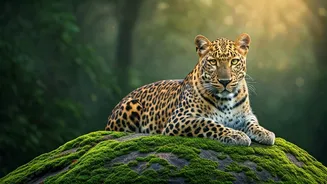
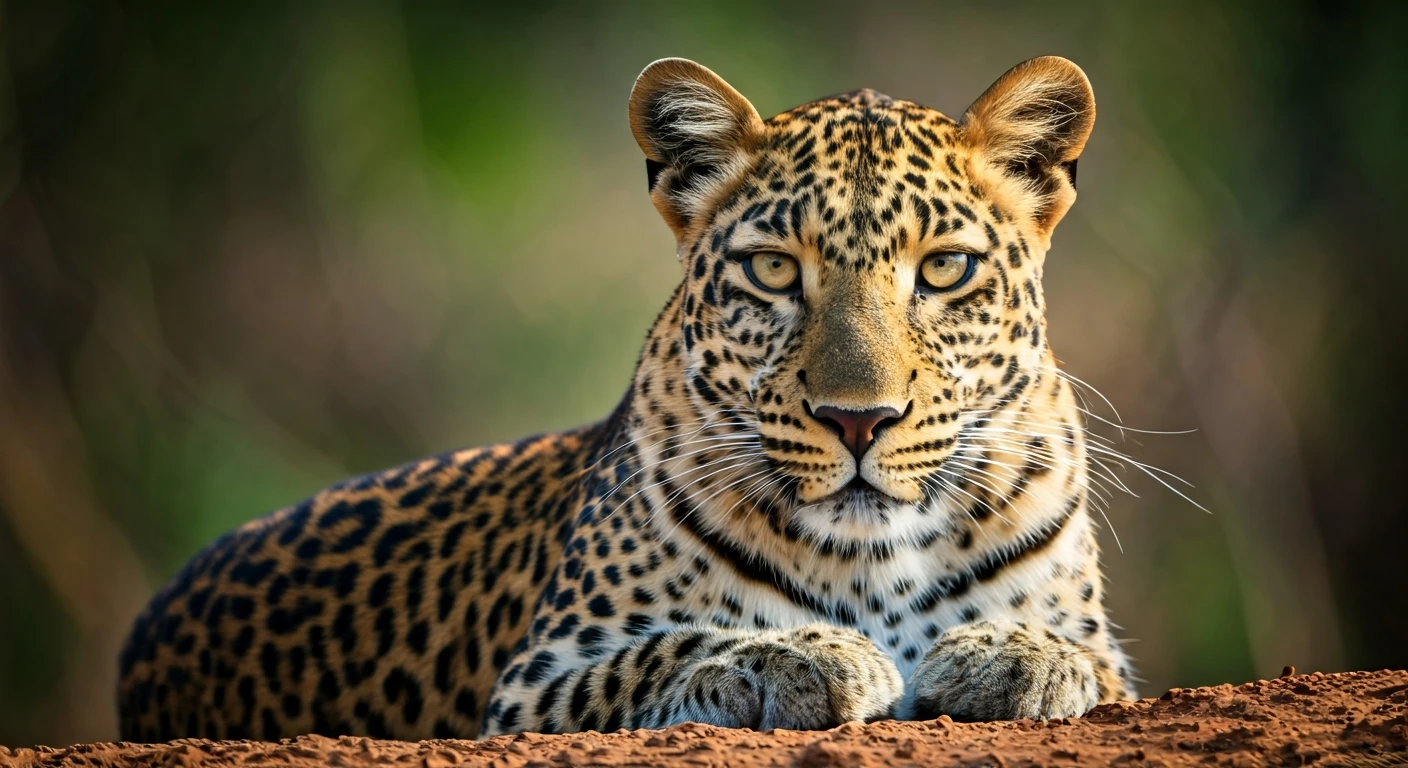
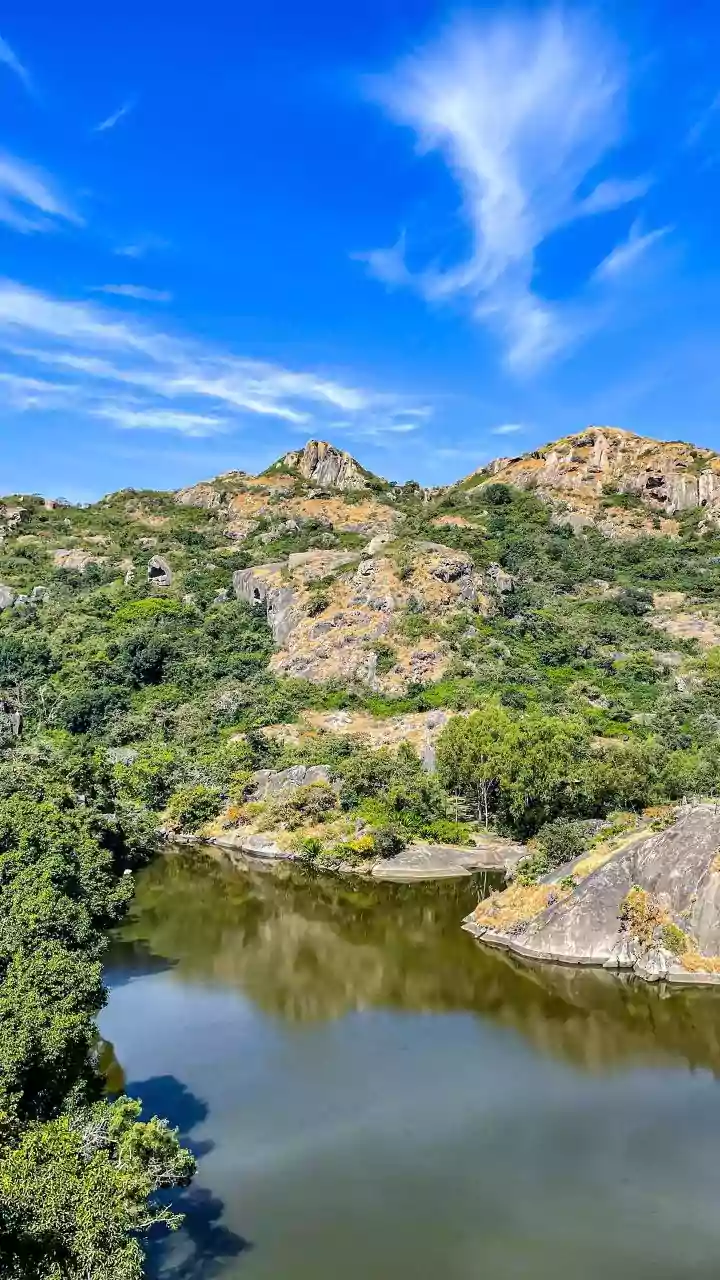
Venture to Jawai in southern Rajasthan, a region celebrated for its thriving leopard population nestled amidst dramatic granite hills and ancient caves.
This unique landscape fosters a remarkable coexistence between wildlife and local communities, offering visitors the extraordinary opportunity to witness leopards lounging on rocky outcrops or traversing the terrain during dawn and dusk safaris. Beyond the star attraction, Jawai also provides excellent birdwatching opportunities and the chance to see crocodiles near the expansive Jawai dam, alongside various other smaller mammals, making it a multifaceted wildlife destination.
Bera's Open Terrain
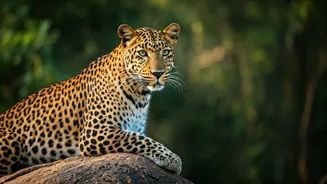
Closely linked with the Jawai region, the village of Bera has long been a pilgrimage site for wildlife photographers due to its consistent leopard sightings. Here, the big cats have adapted to life amongst the striking granite formations and scrub-covered landscapes. Skilled local trackers play a crucial role in guiding safari excursions through this rugged terrain. The relatively open nature of Bera's landscape, in contrast to denser forests, can sometimes facilitate easier leopard spotting when conditions align perfectly, offering a distinct advantage for enthusiasts seeking these elusive predators.
Jaipur's Jhalana Reserve
Situated conveniently on the outskirts of Jaipur, the Jhalana Leopard Reserve stands out as one of India's few protected areas specifically established with leopards as a primary focus. This reserve boasts a habitat of dry deciduous forests interspersed with rocky hills, providing an ideal environment for the leopard population to flourish. Its manageable size, combined with a healthy number of resident leopards, significantly increases the likelihood of visitors encountering one during their safari drives, making it a prime choice for a focused leopard-viewing experience.
Kabini's Rich Ecosystem
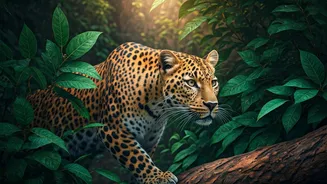
As a vital component of the expansive Nagarhole National Park, Kabini is renowned for its abundant and diverse wildlife, featuring not only leopards but also significant populations of elephants and tigers. Leopards are frequently observed here, often seen near forest tracks or by the picturesque Kabini reservoir. The sanctuary's varied environments, which include dense forests, lush riverbanks, and open grasslands, collectively support a robust ecosystem that sustains a healthy balance of both predator and prey species, contributing to the area's rich biodiversity.
Kanha's Verdant Forests
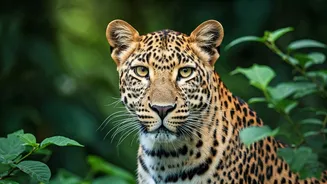
While Kanha National Park primarily draws visitors for its majestic tiger population, its extensive sal forests and grasslands also provide a suitable home for leopards. These formidable cats tend to inhabit the denser forested areas or regions characterized by rocky outcrops, and are sometimes glimpsed during the early morning safari hours. Kanha's diverse topography, encompassing beautiful meadows and woodlands, supports a wide array of wildlife, making it a captivating destination for nature lovers even if leopard sightings aren't its main draw.