





Nunnery of Santa Monica
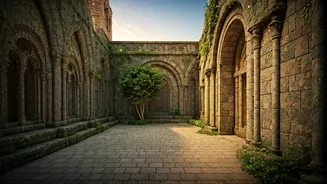
Nestled in Old Goa, close to the evocative ruins of St. Augustine Tower, lies the Nunnery of Santa Monica. This monastery, established in 1606, stands
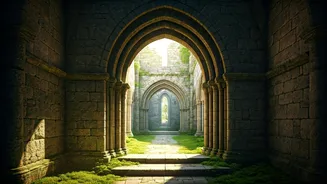
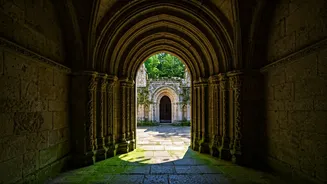
as one of Asia's earliest and most impressive convents, yet it often escapes the radar of typical tourist itineraries. Remarkably, it now serves as the repository for the Museum of Christian Art. Its historical significance is immense, having once been the largest convent within the Portuguese empire outside of Europe. This sacred space provided refuge for nuns and was recognized for its rigorous discipline and vibrant academic atmosphere. The architectural grandeur is palpable, characterized by its exquisite Baroque style, expansive arched corridors, and soaring high ceilings, all contributing to its majestic aura.
Pilar Seminary's Legacy
The Pilar Seminary, also situated in Old Goa, builds upon the foundation of a 17th-century Capuchin monastery, dating back to 1613. This site has transitioned from an initial monastic refuge into a distinguished seminary and a crucial centre for missionary activities. Today, the complex is celebrated for its collection of historical artifacts and a carefully curated museum managed by the Society of the Missionaries of St. Francis Xavier. The history of Pilar stretches back to the early 1600s, a period when missionaries established it as a vital hub for linguistic studies, pastoral care, and theological learning. Importantly, Pilar remains an active religious community to this day. While certain interior monastic areas are off-limits to visitors, the church, the museum, and the surrounding verdant gardens are open for exploration, allowing a connection with its ongoing spiritual life.
The Carmelite Monastery
In contrast to Goa's typically crowded tourist destinations, The Carmelite Monastery in Margao offers a tranquil haven for those seeking introspection and prayer. This monastery distinguishes itself through its serene atmosphere and understated, minimalist architectural design. Beyond its profound spiritual significance, the monastery is deeply integrated into the fabric of the Margao community. It actively engages in hosting retreats, providing pastoral services, and annually celebrating the Feast of Our Lady of Mount Carmel, underscoring its communal role and enduring spiritual presence.