






Budget 2026 Overview
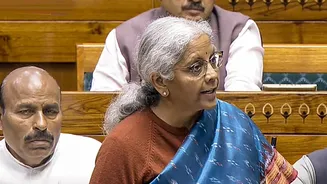
The Union Budget 2026, presented by the Finance Minister Nirmala Sitharaman, is a crucial event. The budget addresses various aspects, including reforms
and capital expenditure (capex) push, set against a backdrop of global economic challenges. A key area to focus on within the budget is the revision of income tax slabs and rates. The government has made certain modifications to the income tax structure, with the changes impacting both the new and old tax regimes. The budget’s unveiling time was a point of interest, as was the speech's length, with some speeches proving to be shorter or longer compared to previous years. The government also announced initiatives such as the launch of the 'India Semiconductor Mission 2.0' and changes related to the defense budget, which jumped to Rs 7.85 lakh crore, with Rs 2.19 lakh crore allocated for modernization. Additionally, there were announcements about the waiver of customs duty on cancer and rare disease drugs, indicating the government's focus on healthcare.
Tax Regime Landscape
The budget brings shifts in income tax regulations that affect all Indian taxpayers. Specifically, the updated tax slabs and rates are a point of focus. Taxpayers must now assess their financial situations based on whether they opt for the new or old tax regime. Each regime has distinct characteristics, influencing the overall tax burden for individuals. The new tax regime introduced in previous budgets, often involves reduced tax rates but with limited deductions and exemptions. The older regime, on the other hand, permits numerous deductions, such as those for investments and expenses, potentially lessening the taxable income. Understanding these nuances is key, as the optimal choice depends heavily on an individual's investments, income levels, and financial planning. The government's goal is to simplify and make the tax system more efficient and equitable.
Section 87A Rebate Details
An important feature of the income tax framework is Section 87A. It offers a rebate on income tax, providing relief to certain taxpayers. The primary objective is to lessen the tax liability, especially for individuals with lower incomes. The specific limit of the rebate under Section 87A for the fiscal year 2026-27 is a critical detail. The government makes adjustments to this rebate to fine-tune the tax system. This rebate is particularly useful for those who choose the new tax regime, as it offers a way to reduce their tax burden even when they cannot utilize many deductions. By understanding the eligibility criteria and the rebate amount, taxpayers can better manage their taxes and maximize their savings. Taxpayers should ensure they meet the specific requirements laid out by the government.
New vs Old Regime
Making a strategic choice between the old and new tax regimes is a core decision. The old tax regime often enables individuals to claim various tax deductions and exemptions, such as those for investments made in provident funds, insurance premiums, and house rent allowance (HRA). This regime is beneficial for those who are eligible for significant deductions. The new tax regime, which typically features lower tax rates, may suit taxpayers with limited investment options. The absence of numerous deductions and exemptions could result in a simplified tax calculation. Each regime's suitability depends on the taxpayer's investment profile, income level, and overall financial strategy. It is highly recommended to assess the potential tax liability. This evaluation ensures that individuals make an informed decision on which tax structure aligns best with their financial circumstances.