








New Rules Unveiled
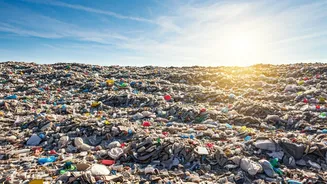
The Central government has recently introduced new Solid Waste Management Rules. These rules represent a significant change in how solid waste is managed
across India. The emphasis is now significantly placed on the entities that produce large quantities of waste. The goal is to enforce better waste disposal practices, ultimately leading to a cleaner and more sustainable environment. These regulations are designed to clarify the responsibilities of various waste generators and outline guidelines for the entire waste management process. They promote segregation at the source, encouraging recycling and composting, to reduce the amount of waste sent to landfills.
Bulk Generators’ Responsibilities
Under the new regulations, bulk waste generators bear a more substantial responsibility for the waste they produce. This includes not just the proper disposal of waste but also the segregation of waste at the point of generation. For instance, commercial establishments, hospitals, and educational institutions will be required to handle their waste more carefully. The rules emphasize the need for bulk generators to collaborate with local authorities and authorized waste processors to ensure that waste is treated and disposed of in an environmentally sound manner. This shift places a burden on the generators to invest in waste management infrastructure and implement best practices to meet the compliance criteria. They are expected to minimize waste sent to landfills, boosting recycling and composting efforts to lessen their environmental impact.
Impact and Implications
The new Solid Waste Management Rules have widespread implications for urban areas across India. By shifting responsibilities, the government aims to alleviate pressure on existing waste management infrastructure. These new rules are designed to accelerate the adoption of advanced waste treatment technologies. This new method of regulations encourages a more sustainable model by minimizing reliance on landfills and improving resource recovery. The regulations also push for greater transparency and accountability in waste management processes, providing a framework for environmental protection and public health improvement. This initiative promotes the efficient use of resources and the reduction of pollution, contributing to India's commitment to sustainable development.