




Bridging the Gap
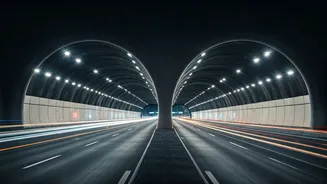
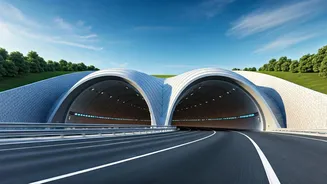
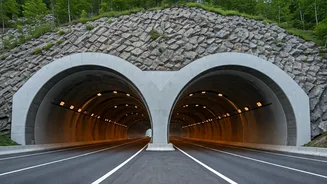
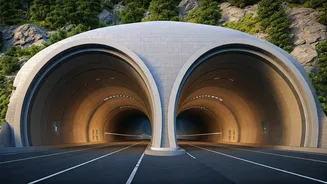
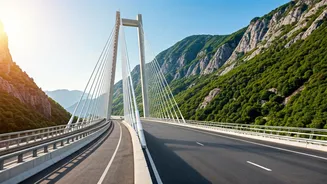
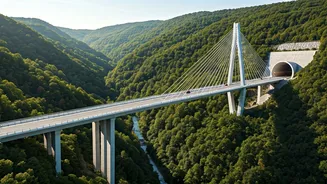
The much-anticipated 'Missing Link' on the Mumbai-Pune Expressway is nearing its grand unveiling, poised to redefine inter-city travel. This 13.3 km segment
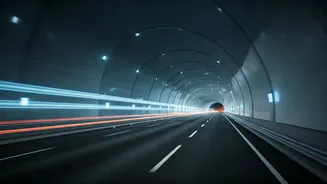
introduces India's longest twin-tube road tunnel, designed to shave off significant time from the commute by bypassing the challenging ghat section. This critical upgrade, costing approximately Rs 8,000 crore, aims to alleviate traffic snarls, especially during the monsoon season, and provide a smoother, more direct route. The project's completion signifies a major leap in infrastructure development, promising enhanced connectivity and efficiency for millions of travelers and the logistics sector. The reduction in distance from over 19 km to 13.3 km means a potential saving of 20-25 minutes for commuters.
Speed and Safety First
With the advent of this advanced infrastructure, including the impressive 1.75 km and 8.92 km twin tunnels within Package-I, discussions are underway regarding potential speed limit adjustments. While current regulations permit 100 kmph for light vehicles and 80 kmph for heavy vehicles, the new tunnel's design might warrant a review. Maharashtra Highway Police are prioritizing safety with state-of-the-art surveillance, speed cameras, and a robust emergency response network. The tunnels are equipped with advanced fire detection and suppression systems, ventilation, and emergency exits, ensuring a secure environment. Moreover, the eight-lane configuration (including shoulder lanes) of the Missing Link, compared to the expressway's standard three, offers increased capacity and improved traffic flow, though vehicle stopping remains prohibited.
Emergency Response Hub
A sophisticated 24/7 emergency and enforcement nerve center has been established to manage the Missing Link. This system comprises twin multi-agency control rooms staffed by personnel from the Highway Police, MSRDC, and RTO. These control rooms monitor over 100 Pan-Tilt-Zoom (PTZ) CCTV cameras to detect vehicle stoppages, accidents, or fire incidents. In response, they can swiftly dispatch patrol vehicles, ambulances, fire tenders, or cranes. Connectivity between corridors allows for rapid access to incident sites via connecting passages. Furthermore, SOS panic buttons are strategically placed every 250 meters, providing direct access to the control room for immediate assistance. Speed guns will also be deployed at entry and exit points to monitor speed violations, with challans issued via the AI-enabled Intelligent Traffic Management System (ITMS).
Phased Operations & Challenges
The initial phase of operation, from May 1 to October 31, will restrict access to Light Motor Vehicles and passenger buses, with speed limits set at 100 kmph for cars and 80 kmph for buses. Hazardous material transport vehicles are permanently banned from the Missing Link and will continue using the existing expressway. Heavy vehicles may be permitted from November 1, contingent on a six-month review. This phased approach aims to manage initial traffic flow and gather data. Potential challenges include managing public curiosity and ensuring adherence to new protocols, especially with the onset of monsoon. The project emphasizes the 'Four Es' of road safety: Education, Enforcement, Engineering, and Emergency Response.