
Shifting Global Dynamics
The geopolitical landscape is in constant flux, with nations continually reassessing their alliances and strategic priorities. One of the most notable
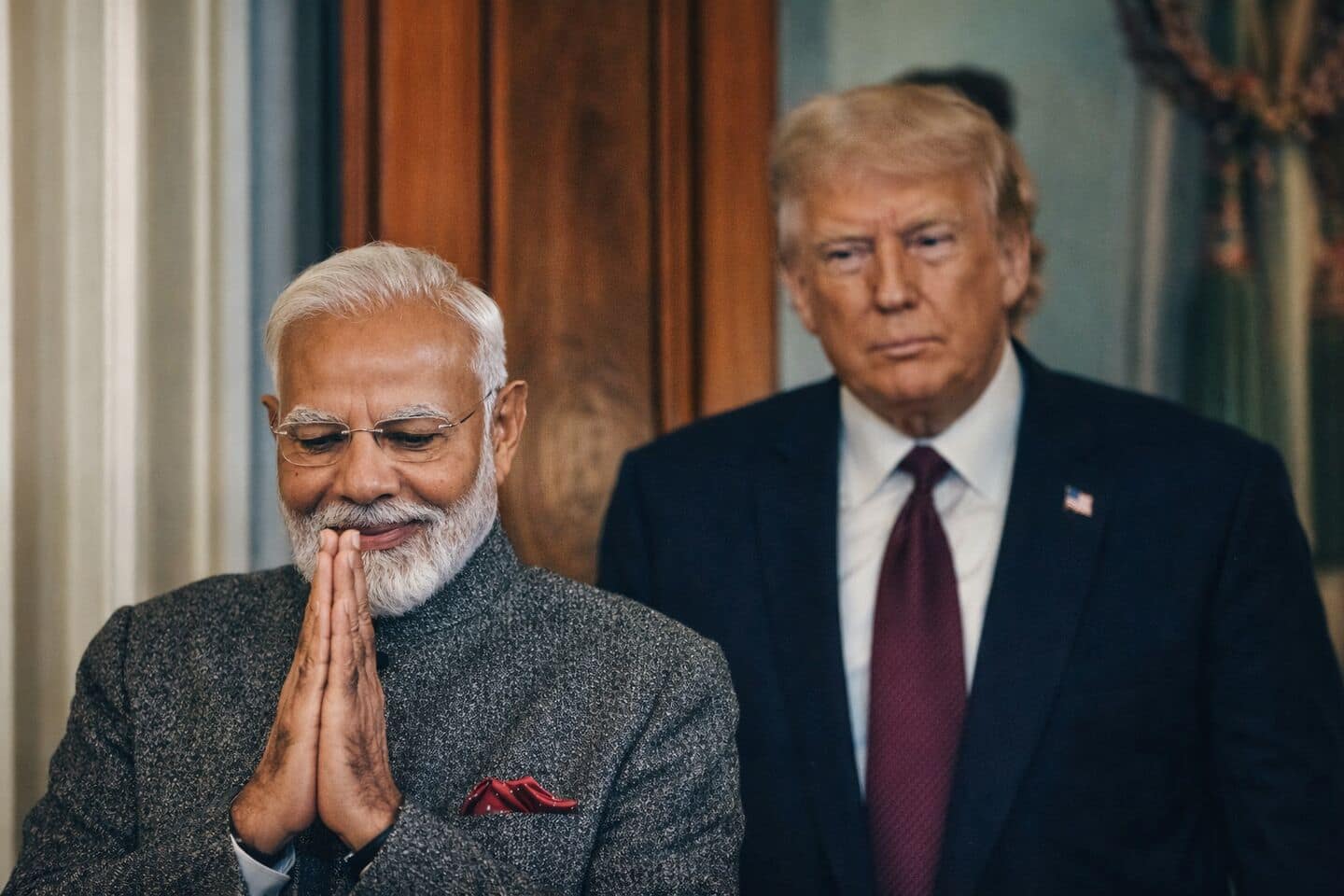
trends is the growing significance of the Indo-European partnership. Leaders in both India and Europe are actively working to forge closer ties. This is primarily influenced by a shared interest in navigating the complex power dynamics involving major global players. The strategic focus on balancing the influence of both America and China is also crucial. This necessitates a diversified approach to international relations. This emerging alliance is not merely a diplomatic exercise, but a move toward a redefinition of the strategic geography. It sets the stage for a new era of global cooperation and competition.
Motivations Behind Alliance
Several factors fuel the strategic partnership between India and Europe. Both India and European nations seek to diversify their global partnerships, to navigate the complexities of international relations in the 21st century. This diversification is seen as crucial for economic stability, especially for Europe, as well as for enhanced political influence. The desire to balance the influence of the United States and China also plays a significant role. This does not necessarily imply hostility towards either nation, but rather a strategic positioning. This promotes a more multipolar world. The growing convergence of interests between India and European nations. This is particularly evident in areas such as trade, security, and sustainable development, is a primary driver behind the alliance.
Modi & Merz’s Vision
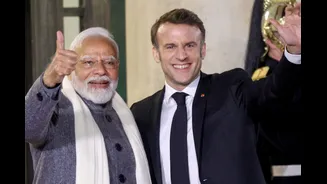
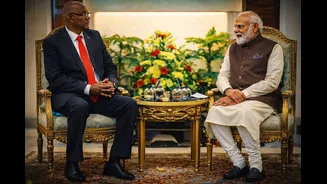
The leaders of India and Germany, Narendra Modi and Friedrich Merz, are central to the Indo-European alliance. Their vision encompasses a strong partnership that extends beyond mere diplomatic relations. They are actively engaged in fostering economic ties, which include increased trade and investment. There is a strong focus on security cooperation, including intelligence sharing and joint military exercises. Modi and Merz have also been instrumental in promoting cultural exchange and cooperation on global issues. These are crucial in addressing climate change and promoting sustainable development. Their combined efforts have been instrumental in shaping the Indo-European alliance into a significant force on the world stage, with long-term strategic implications.
New Strategic Geography
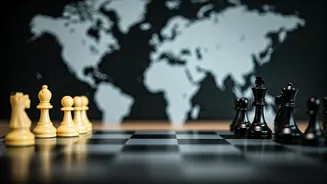
The Indo-European alliance is reshaping the strategic geography of the world. By forging closer ties, India and Europe are altering traditional power balances and creating new opportunities for cooperation and influence. This new strategic landscape promotes a more inclusive and diverse international order, where multiple centres of power contribute to global stability. The success of this alliance relies on mutual respect, shared values, and a commitment to address global challenges. This evolution reflects a growing trend towards regional and multilateral cooperation. It opens up avenues for innovative approaches to issues such as trade, security, and sustainability.
Challenges & Opportunities
The path toward a strengthened Indo-European partnership is not without its challenges. The differences in geopolitical perspectives, cultural nuances, and economic interests necessitate careful navigation. These potential obstacles can be overcome through open dialogue, compromise, and a shared commitment to common goals. The opportunities inherent in this alliance are numerous. The partnership allows both India and Europe to amplify their economic and political influence on the world stage. It also allows them to collaborate on critical global issues, such as climate change, terrorism, and pandemics. A robust Indo-European relationship offers the potential to create a more stable, prosperous, and secure world order, shaped by diverse perspectives and shared values.