





Voices of Discontent
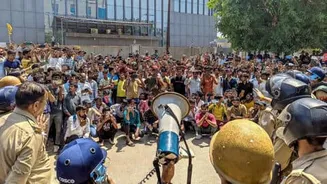
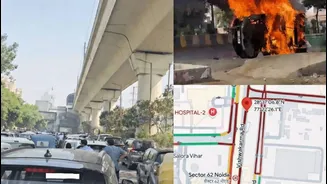
Recent demonstrations in Noida Phase 2, which escalated to include stone-pelting and vandalism, were largely driven by the workers' overwhelming dissatisfaction
with their current wages. Numerous individuals involved in the protests voiced a common sentiment: their earnings are insufficient to cover even basic living expenses. These workers, engaged in the apparel export sector, have been voicing their grievances for days. The demonstrations, which began on Friday, saw participation from a diverse group of individuals, each with their own story of financial hardship. From an 18-year-old originating from Sambhal to a 28-year-old from Bihar, their testimonies paint a grim picture of the economic pressures faced by the garment industry's workforce. They question why their wages lag significantly behind those in comparable industrial hubs like Manesar, where workers reportedly earn upwards of Rs 20,000 for an eight-hour workday, a stark contrast to their own earnings that barely cover rent and essential provisions.
The Struggle to Survive
The daily grind for many garment workers is a constant battle against insufficient income. For instance, an 18-year-old measurement checker earns Rs 13,000 per month, with Rs 4,000 of that going towards rent. The escalating cost of essentials, such as a gas cylinder now priced at Rs 400, leaves very little for other necessities. The pressure to meet unrealistic production targets, often set at 70 pieces per hour, leads to humiliation if not met. Furthermore, workers report receiving only marginal salary increases, a mere Rs 320 hike over several years, while being compelled to work late hours or on Sundays under threat of termination. A 25-year-old worker, supporting a family of four, earns Rs 13,500, with Rs 5,000 for rent and Rs 4,000 for rations. After deductions for Provident Fund (PF), only Rs 3,000 remains, making it impossible to save or adequately feed his children, let alone consider their education. This worker's salary saw a paltry increase of just Rs 39 in the past year, highlighting a severe disconnect between labor contribution and compensation.
Rising Costs, Stagnant Pay
Beyond the immediate struggle for survival, the garment workers' discontent is exacerbated by the broader economic climate. A 28-year-old worker, who earns Rs 20,000, finds that all of it is consumed by daily expenses, leaving nothing for savings or to support his mother. He recalls a time when rice was Rs 15 per kg, a stark contrast to the current inflationary pressures. The perceived failure of policies to curb rising prices, even after choosing a particular government with hopes for economic relief, adds to their frustration. The black market price for a large gas cylinder has reportedly soared to Rs 5,000, and access to them has become a significant challenge. While acknowledging external factors like global conflicts might influence some prices, workers emphasize that the inflation extends to numerous other goods, making their already inadequate salaries even more untenable. This pervasive economic hardship, coupled with the lack of adequate wage increases and unfair work practices, has culminated in the widespread unrest observed in Noida.