



The Orbital Menace
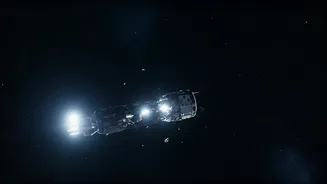
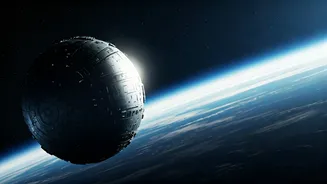
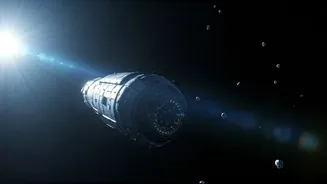
Orbiting our planet is an ever-increasing cloud of debris, a stark reminder of past space endeavors, ranging from defunct satellites to fragments of exploded
rockets. This growing issue has sparked concerns about a potential 'Kessler Syndrome,' a runaway chain reaction of collisions that could render certain orbits unusable. While millions of objects larger than a centimeter and tens of millions of even smaller particles zip around Earth, their sheer speed—often exceeding 17,500 mph—makes them incredibly difficult to detect and photograph. This high-velocity environment poses a significant challenge for any attempt to capture these celestial castoffs on film, even during high-profile missions like Artemis II.
Capturing the Invisible
The inherent nature of space debris makes its capture in photographs extraordinarily rare. Most of these orbital remnants are minuscule, far too small to be perceived by the human eye, let alone rendered clearly by a camera lens. For an astronaut to even have a fleeting chance of photographing a larger piece of debris, an almost perfect alignment of conditions would be necessary. Compounding this difficulty is the tremendous relative velocity between the spacecraft and any potential debris. When both objects are traveling at such extreme speeds, distinguishing and freezing them in a clear image becomes an improbable feat, even for the most advanced photographic equipment.
Location, Location, Orbit
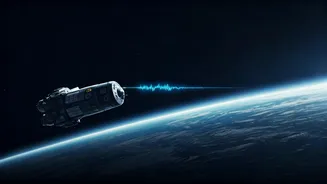
A primary reason for the invisibility of space junk in mission photos is its typical location. The highest concentrations of orbital debris reside in low Earth orbit, generally between approximately 466 and 621 miles above the planet's surface. During the critical initial phases of a space mission, such as the launch and ascent of Artemis II, astronauts are fully immersed in managing complex flight operations. This intense focus on immediate safety and trajectory leaves virtually no opportunity to scan the surroundings for extraneous objects. Furthermore, the sheer speed at which the spacecraft traverses these orbits means that even larger pieces of debris would likely be mere blurs, if recognizable at all, making detailed capture virtually impossible.
Astronaut Safety Secured
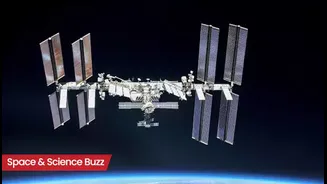
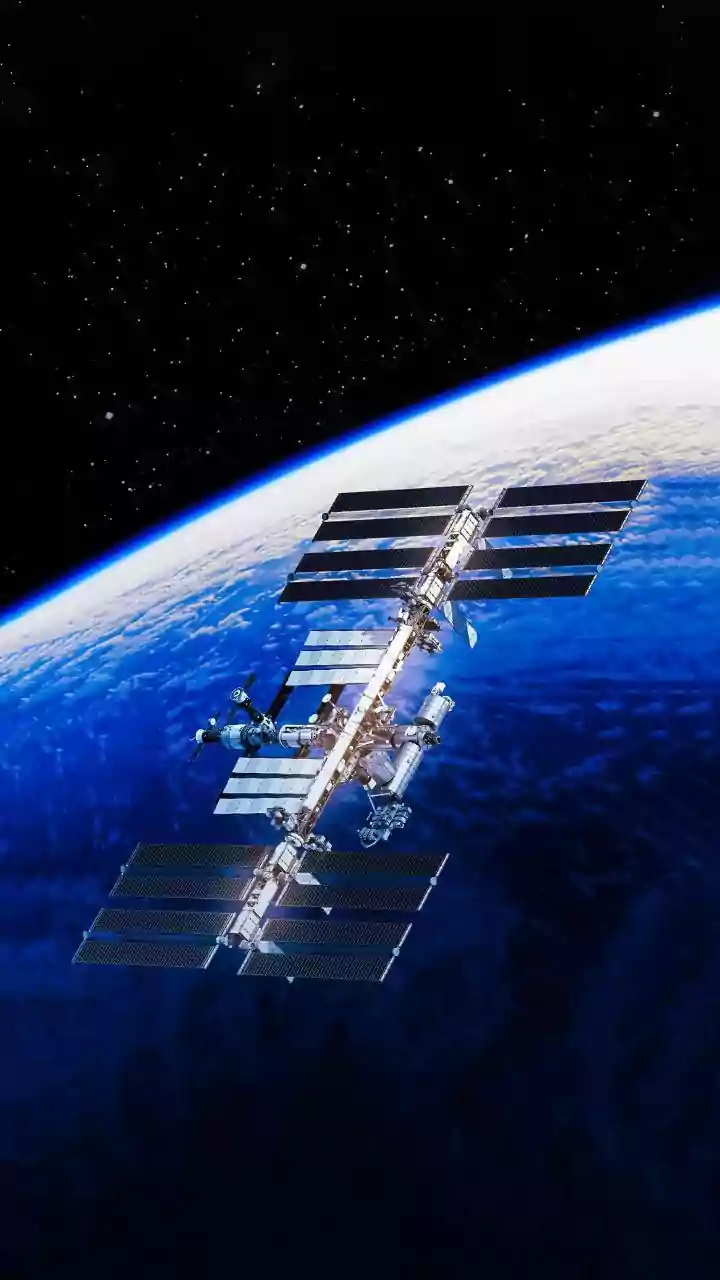
While space debris is notoriously difficult to photograph, it's not entirely absent from the human experience of spaceflight. For instance, the International Space Station (ISS) routinely experiences impacts from microscopic debris. However, spacecraft like the ISS are meticulously engineered with robust shielding to withstand the force of such tiny particle collisions, significantly mitigating the risk of catastrophic damage. Moreover, sophisticated tracking systems are in place to monitor potential orbital hazards, providing crucial warnings to astronauts and mission control. Despite the genuine seriousness of the space debris problem, it's important to remember that vast distances separate objects in space, meaning astronauts are not constantly navigating a minefield of trash.