





AI's Growing Chip Demand
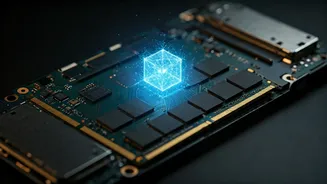
The rapid advancement and widespread adoption of Artificial Intelligence are placing unprecedented demand on essential computing components, particularly
memory chips like RAM. Companies at the forefront of AI development, such as those operating massive data centers for AI model training and deployment, are consuming vast quantities of these chips. This surge in demand is prioritized by manufacturers due to lucrative long-term contracts and significant purchasing power, effectively creating a supply constraint for other industries. Consequently, the cost of acquiring these critical components has escalated dramatically, with some experiencing price increases of 200-300 percent. This inflationary pressure on raw materials directly impacts the final price of consumer electronics, forcing manufacturers to either absorb the costs, reduce profit margins, or, more commonly, pass the increased expenses onto consumers. This dynamic is especially acute in the mid-range and entry-level device segments, where profit margins are already thin, leaving little room to absorb rising component expenses without adjusting retail prices.
The RAM Market Squeeze
The global market for Random Access Memory (RAM) is dominated by a handful of major players, with Samsung, SK Hynix, and Micron collectively controlling approximately 93% of production. This concentrated supply chain means that any significant shift in demand, particularly from high-volume consumers like AI data centers, can quickly lead to market-wide shortages. While RAM production has historically kept pace with consumer electronics demand, the current AI boom presents a unique challenge. These AI-centric operations require substantially more high-performance memory, such as High-Bandwidth Memory (HBM), compared to typical consumer devices. For instance, advanced GPUs used in AI servers can incorporate up to 288GB of HBM, whereas a high-end smartphone typically features between 8GB and 16GB of lower-power DDR memory. This stark difference in requirements, coupled with the AI industry's willingness to secure long-term supply agreements, means that even major device manufacturers like Samsung may find it challenging to procure sufficient RAM for their own product lines, forcing them to compete for limited resources.
Impact on Mid-Range Devices
The burgeoning AI capabilities being integrated into smartphones, often marketed as 'AI phones,' necessitate more robust hardware, including increased RAM, to support on-device processing for features like intelligent agents that coordinate across applications. This trend poses a significant challenge to the mid-range smartphone segment, typically priced between Rs 20,000 and Rs 50,000 in India. Manufacturers in this highly competitive market operate on tight margins, making it difficult to absorb the rising costs of memory components without impacting profitability. Consequently, consumers in this segment are likely to encounter higher prices for devices that may offer less RAM than their predecessors, as companies prioritize AI-specific hardware or reduce other components to manage costs. The low-end segment, especially devices priced below $200, faces the most severe impact, with prices potentially rising by 50-100% as maintaining previous price points becomes economically unviable due to the escalating cost of essential components like RAM.
Price Hikes Across Brands
The pressure from escalating memory costs is palpable across the smartphone industry, forcing even major brands to adjust their pricing strategies. Samsung, a leading smartphone manufacturer, has already implemented price increases for its latest Galaxy S26 series, with models seeing a significant jump in cost compared to their predecessors. Notably, even the mid-range M and F series devices from Samsung have seen price adjustments, indicating the widespread nature of this cost increase. Similarly, British tech company Nothing has raised the prices of its new Phone 4a series, with the baseline model now costing considerably more than its previous iteration. Lenovo-owned Motorola has also followed suit with price hikes on its mid-range Edge series. Even Apple, typically known for absorbing costs, has increased the price of its new iPhone 17e, albeit with a doubling of base storage. These widespread adjustments demonstrate that the 'AI tax' is a pervasive issue affecting various market segments and brands.
Future Outlook for Devices
The current RAM shortage is projected to persist for at least the next couple of years, with analysts suggesting the situation might extend well into 2027. The expansion of memory production capacity is a lengthy process, typically requiring two to three years for new fabrication facilities to become operational. Meanwhile, the demand from AI data centers and hyperscale cloud providers continues to grow rapidly and is consistently prioritized by memory suppliers due to large-volume, long-term agreements. Even as supply eventually improves, memory prices are unlikely to revert to previous levels. This sustained pressure on component costs is expected to lead to a decline in the global smartphone and PC markets, with IDC forecasting significant contractions for both in 2026. This scenario could dampen the enthusiastic marketing of AI capabilities, as smartphones and laptops remain the primary gateways for experiencing AI, and their reduced affordability may limit consumer engagement with these advanced technologies.