







Oats: The Champion
Oats stand out as a nutritional powerhouse for heart health. Regular consumption of oats can lead to a considerable reduction in LDL cholesterol, often
referred to as 'bad' cholesterol. This effect is primarily due to the presence of soluble fiber, which forms a gel-like substance that traps cholesterol in the digestive system, preventing its absorption into the bloodstream. It's recommended to include oats in your daily diet, either as a breakfast meal or a snack. Consider options like oatmeal, oat bran, or even incorporating oats into baked goods. Remember, the key is consistency. Make oats a regular part of your eating habits to realize their heart-healthy benefits. Furthermore, by choosing minimally processed oats, you can ensure that you're getting the maximum fiber and nutrients needed for cardiovascular well-being, while simultaneously enjoying a filling and satisfying meal.
Nuts: A Nutty Boost
Nuts offer a rich source of nutrients that are highly beneficial for heart health. Almonds, walnuts, and other nuts are loaded with healthy fats, fiber, and antioxidants, contributing to overall cardiovascular well-being. Consuming a handful of nuts daily can aid in lowering LDL cholesterol, improving blood vessel function, and reducing the risk of heart disease. It's crucial, though, to practice portion control, as nuts are calorie-dense. A daily serving of about one ounce—roughly a small handful—is a reasonable amount to derive benefits without exceeding your calorie requirements. To enhance your heart health, opt for raw or dry-roasted nuts rather than those prepared with added oils or salt. Integrating nuts into your diet is simple. They can be enjoyed as snacks, added to salads, or incorporated into your morning cereal. This dietary addition is a delicious way to support a healthy heart.
Beans: The Fiber Power
Beans are a stellar addition to any heart-healthy diet, owing to their high fiber content. Fiber, especially soluble fiber, is instrumental in lowering cholesterol levels. Beans also help regulate blood sugar, an important consideration for heart health. Various types of beans, from kidney beans to lentils, offer similar advantages, so choose the varieties you enjoy most. Consuming beans regularly has been linked to a reduced risk of heart disease and improved overall cardiovascular health. Aim to incorporate beans into your meals a few times per week. They are versatile, easy to prepare, and can be added to soups, stews, salads, or served as a side dish. By including beans in your diet, you provide your heart with essential nutrients while simultaneously enjoying a delicious and cost-effective food source.
Fatty Fish: Omega Advantage
Fatty fish, such as salmon, mackerel, and sardines, are abundant sources of omega-3 fatty acids, crucial for heart health. Omega-3s possess potent anti-inflammatory properties, and they can help reduce triglycerides, lower blood pressure, and decrease the risk of blood clots. Eating fatty fish at least twice a week is recommended to derive maximum benefits. When incorporating fish into your diet, consider various cooking methods like grilling, baking, or steaming, rather than frying. This ensures you obtain the nutrients without added unhealthy fats. The omega-3s found in fatty fish can contribute significantly to a healthier heart, making it an excellent dietary addition for overall cardiovascular wellness. Selecting sustainable and well-sourced fish can also align your diet with environmental considerations.
Fruits and Vegetables
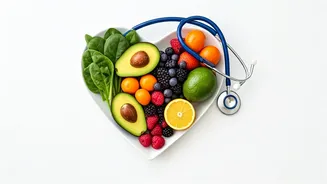
A diet rich in fruits and vegetables is fundamental for maintaining heart health. These foods are packed with vitamins, minerals, antioxidants, and fiber, all of which contribute to cardiovascular well-being. Antioxidants protect the body from oxidative stress, while fiber helps lower cholesterol levels. Aim to fill at least half of your plate with fruits and vegetables at each meal. Include a variety of colors to ensure a wide range of nutrients. Both fresh and frozen options offer nutritional value, making it easier to incorporate these essentials into your daily meals. From leafy greens to berries and citrus fruits, including a wide array of options will provide your body with the nutrients necessary for optimal heart health, significantly reducing the risks of cardiovascular diseases.
Olive Oil: The Magic
Olive oil, especially extra virgin olive oil, is a cornerstone of the Mediterranean diet, widely recognized for its heart-healthy benefits. Rich in monounsaturated fats and antioxidants, olive oil can help lower LDL cholesterol and reduce inflammation. Using olive oil as a primary cooking oil and as a dressing for salads is a simple yet effective way to improve your heart health. When selecting olive oil, prioritize extra virgin varieties, which are less processed and maintain more of their beneficial properties. Olive oil is not just a healthy fat source; it also provides flavor and enhances the taste of your meals. Incorporating olive oil into your diet can support your heart's well-being and contribute to a healthier lifestyle overall. Remember that even healthy fats should be used in moderation to maintain balanced calorie intake.