



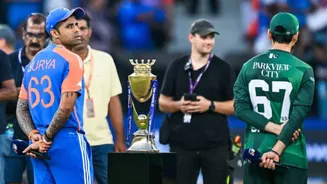
Boycott Announcement
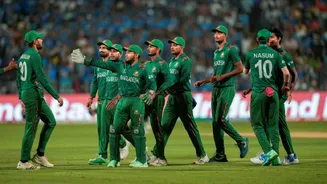
Pakistan's decision to boycott its T20 World Cup match against India has been a source of significant controversy, leading to a wave of reactions from
across the cricket community. The announcement immediately stirred up intense discussions, with many questioning the rationale behind the move. The ICC has acknowledged the situation and is expected to address the implications of this boycott. This decision will have substantial ramifications for the tournament's schedule, fan engagement, and the spirit of sportsmanship, setting the stage for a period of negotiations and possible sanctions.
Reactions Erupt
The cricketing world responded swiftly to Pakistan's boycott. Prominent figures, including former players and commentators, offered their perspectives on the situation. Harbhajan Singh criticized Pakistan's decision. Rashid Latif provided his analysis, highlighting the dynamic nature of such decisions. The general sentiment has been a mixture of disappointment and condemnation. Some questioned the impact on the spirit of the game. Yuvraj Singh, while speaking on other matters, hinted at the importance of support and respect in sports. The discussions are happening across various media platforms. The focus remains on the repercussions on both teams.
ICC Weighs In
The International Cricket Council (ICC) is now involved, as it acknowledged Pakistan's decision and warned of potential consequences. The ICC's role is crucial in navigating this situation. It has the responsibility to uphold the tournament's integrity and fair play. The exact actions the ICC will take are being watched closely by fans and stakeholders. The ICC must consider all aspects when dealing with the situation, and must work with both the boards of India and Pakistan to find a resolution. The aim is to ensure the smooth running of the T20 World Cup.
Match Implications
The boycott will have definite implications on the match scheduled for February 15. With Pakistan refusing to play, India is now in line to receive a walkover, which will affect the standings and the tournament's flow. There are many discussions happening around how India will get the win, and what the potential impact would be in the future. The outcome affects not only the teams' standings, but also fan interest and ticket sales. Fans from across the globe are affected by this decision. The match's outcome is still the subject of much debate, including potential adjustments to the schedule or additional matches.
Broader Context
The boycott happens in a broader context of ongoing political and diplomatic tensions between India and Pakistan. These tensions often impact sporting events between the two nations, which have historically been high-profile and emotionally charged encounters. These instances often lead to concerns over security, visa policies, and political interference, adding further layers of complexity to these matches. The decision must be viewed through this prism. The larger political climate often affects the decision making.
Player Perspectives
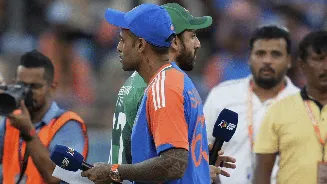
The players themselves will have a unique insight into the situation. The Pakistan captain expressed, “Hum kuch nahi kar sakte” (We can't do anything). This highlights the challenges players face due to these decisions. The captain's response signifies the pressures faced and the limited agency players might have in this matter. These statements capture the player's perspective. It offers a glimpse into the internal dynamics of the situation and the difficulties experienced by players during moments of political and sporting overlap.