
Market Downturn
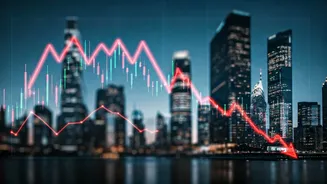
The Indian stock market showed a negative trend on January 19, 2026. The Nifty50 concluded the day below 25,600, while the BSE Sensex fell by more than
300 points. The primary driver behind this decline was the apprehension surrounding the possibility of tariffs proposed by Donald Trump. This uncertainty had a widespread impact, affecting global markets and causing investors to reassess their positions, leading to increased selling pressure and lower closing values for the major indices. The fears prompted a cautious approach among traders and investors, influencing the overall market sentiment.
Trump Tariff Concerns
The central cause for the downturn in the stock market stemmed from anxieties related to potential tariffs. The market's reaction was predominantly influenced by the uncertainty generated by Donald Trump's proposals, which led to widespread concerns among investors. These concerns extended beyond the Indian markets, encompassing the global financial landscape. As a result, investors adopted a more conservative approach, resulting in increased selling and a general decline in the market. The specific details of the proposed tariffs and their potential repercussions remained uncertain, adding to the volatility and unease among market participants. This led to a nervous atmosphere in trading circles.
Global Market Impact
The impact of the tariff concerns was not limited to the Indian market; it resonated globally, illustrating the interconnectedness of financial systems. Markets around the world experienced declines as investors reacted to the news. This global reaction demonstrated the potential for significant economic repercussions stemming from trade policy decisions. The interconnected nature of the global market ensured that the effects of the tariff concerns were broadly felt. This amplified the overall market volatility, reflecting the anxiety and uncertainty prevalent among investors and businesses worldwide. These trends underscore the influence of external factors on domestic market performance.
Investor Sentiment
The anticipation of Trump's tariffs profoundly influenced investor sentiment. The uncertainty triggered a risk-averse attitude, resulting in investors selling their holdings and moving towards safer investments. This shift in sentiment caused the Nifty50 and BSE Sensex to decline. Such market behavior indicates that investors were prioritizing risk reduction due to these developments. The overall cautious stance reflected the widespread uncertainty surrounding the potential consequences of the proposed tariffs. This influenced trading activities across various sectors, leading to a notable reduction in overall market confidence.