




Team's Departure & Ban
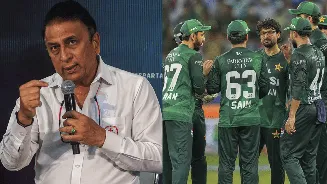
The Pakistan cricket squad made its way to Sri Lanka, ready to participate in the T20 World Cup 2026, despite a significant government directive. The Pakistani
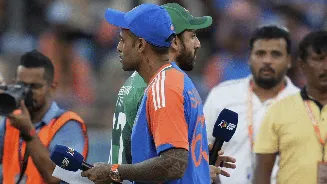
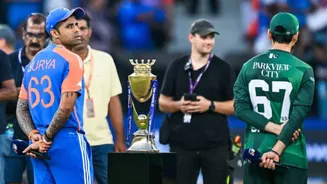
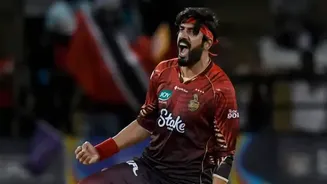
government gave the team permission to compete in the World Cup, but it strictly forbade them from participating in the highly anticipated match against India. Videos capturing players like Fakhar Zaman, Shaheen Afridi, and Salman Agha, amongst others, carrying their luggage at the airport, quickly circulated on social media, showing the team's departure. This situation emerged as the Indian team was expected to travel to Sri Lanka as scheduled, with their captain ready for the marquee fixture. If the Pakistani captain were to avoid the toss, a walkover would be awarded to India by the match referee, granting them two points.
ICC's Concerns Emerge
The International Cricket Council (ICC) has voiced serious reservations regarding the Pakistani government's decision, adding another layer of complexity to the situation. The ICC released an official statement acknowledging Pakistan's government's stance, yet they clarified that they were still awaiting formal communication from the Pakistan Cricket Board (PCB). The governing body highlighted that the concept of selective participation in a global tournament presents a challenge concerning the principles of international competition. They further advised the PCB to carefully weigh the serious and long-term implications for cricket within Pakistan, noting potential consequences on the global cricket ecosystem, of which Pakistan is a vital member and a key beneficiary. The boycott is a significant factor in how the World Cup will be remembered.
Preparations & Schedule
With the shadow of the boycott hanging over them, Pakistan is preparing for the T20 World Cup. They are scheduled to begin their campaign with a warm-up fixture against Ireland on February 4 in Colombo. This warm-up match will serve as crucial preparation for the main tournament. The team reached an agreement with the ICC and the Board of Control for Cricket in India (BCCI) in December 2024 to participate in the tournament, despite the India match boycott. The absence of a match against India on February 16, due to the government's decision, has become a key element in the narrative, highlighting the consequences of this boycott.
The Walkover Scenario
The situation presents an unusual scenario regarding the India-Pakistan fixture. Should Pakistan's captain, Salman Ali Agha, not appear for the toss, the match referee would award India a walkover. This walkover would result in India being credited with two points, a direct consequence of Pakistan's decision. This illustrates the repercussions of the boycott and the implications for the teams involved. While the Indian team is scheduled to proceed as planned, the absence of the match is a notable change in the expected tournament structure. This will alter how the teams' schedules proceed through the competition, affecting their overall ranking and progress.
Impact & Consequences
The ramifications of Pakistan's boycott extend beyond just a single match. The ICC has emphasized the potential long-term implications for Pakistan's cricket landscape, indicating that the situation could have broad consequences for the global cricketing environment. Selective participation is at odds with the inclusive nature of international sports, and the situation challenges the core values of the game. Pakistan's position as a key participant and beneficiary of the international cricket system is therefore affected, highlighting the importance of the situation. This situation underscores the complex dynamics and potential disruptions that can occur in international sporting events due to geopolitical or governmental decisions.