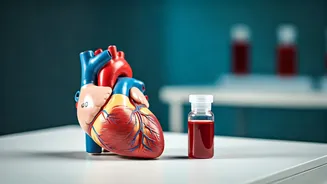









PM2.5: The Culprit
PM2.5, or particulate matter with a diameter of 2.5 micrometers or less, is a major component of air pollution that can be especially harmful to children.
These tiny particles, often originating from sources such as vehicle exhaust, industrial emissions, and burning of fossil fuels, are easily inhaled and can penetrate deep into the lungs. Because children have smaller airways and breathe faster than adults, they absorb a greater volume of pollutants relative to their size. The study highlights that exposure to PM2.5 is linked to high blood pressure in children. In urban areas across India, PM2.5 levels frequently exceed recommended limits, making it a critical public health concern. Recognizing the sources of PM2.5 and understanding its health implications are the first steps in mitigating its effects.
Dangers for Children
PM2.5 is particularly dangerous for children because their respiratory systems are still developing. The body's immune defenses are less developed, which means PM2.5 can cause more severe health issues. Chronic exposure can lead to respiratory infections, asthma, and reduced lung function, setting the stage for long-term health problems. The link between PM2.5 exposure and high blood pressure is especially concerning because elevated blood pressure in childhood can increase the risk of cardiovascular diseases later in life. The tiny size of PM2.5 particles allows them to enter the bloodstream and cause systemic inflammation, contributing to blood vessel damage and increased blood pressure. Given the high levels of air pollution in many Indian cities, understanding the full impact of PM2.5 on children’s health is vital.
Reversing the Effects?
One of the most important questions is whether the negative effects of PM2.5 exposure on blood pressure can be reversed. Research suggests there's reason for optimism, especially if exposure is reduced early in life. When children are removed from polluted environments or measures are taken to reduce their exposure, blood pressure readings may improve. This underscores the critical importance of early intervention. Changes like improving indoor air quality at home and school, reducing outdoor activities during periods of high pollution, and advocating for cleaner air policies can have a positive impact. While more research is required to fully understand the extent of reversibility, the potential for improvement is a strong motivator for public health initiatives and personal protective measures.
Steps for Parents
Parents play a crucial role in protecting their children from the adverse health effects of PM2.5. They should regularly check local air quality reports, available through various government and private sources. When pollution levels are high, it’s best to limit outdoor activities, especially during peak pollution hours, usually early mornings and evenings. At home, using air purifiers with HEPA filters can significantly reduce indoor PM2.5 levels. Regular vacuuming and cleaning to minimize dust are essential. Encouraging children to wear masks designed to filter fine particles when they have to go outside in polluted air. Parents should also advocate for cleaner air policies and support initiatives aimed at reducing pollution levels in their communities. Education is key: explaining to children about the importance of clean air can help them understand and cooperate with protective measures.
Pediatricians' Role
Pediatricians have a vital role in addressing the health risks posed by air pollution. Medical professionals should consider routinely monitoring blood pressure in children living in high-pollution areas. This proactive approach can help in early detection and management of related health issues. Pediatricians should also educate families about the dangers of PM2.5 and provide guidance on protective measures. Encouraging lifestyle adjustments, such as using air purifiers and limiting outdoor exposure during periods of poor air quality, is crucial. Moreover, doctors can advocate for stronger environmental regulations and support community efforts to improve air quality. Pediatricians can become crucial allies, offering guidance, monitoring, and support to families, thus improving children’s long-term health.