
Initial Setbacks Explained
The Indian Space Research Organisation (ISRO) has experienced two consecutive failures, which has placed a spotlight on the intricacies of their rocket
programs. A crucial factor in these setbacks has been issues with the third stage of the rockets. This particular segment of the rocket is vital for achieving the correct orbit in space. Any malfunction at this phase can critically impact the mission's ultimate success. These failures highlight the complex challenges associated with space missions.
Third-Stage Functionality
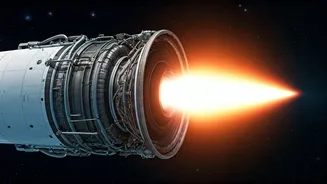
To fully comprehend the significance of the third-stage failures, it's essential to understand its role. A PSLV (Polar Satellite Launch Vehicle) is a four-stage rocket. The third stage usually houses the propulsion system, providing the necessary thrust to propel the rocket further into space and make it reach the desired orbit. During the third stage, this engine needs to function at the highest degree to provide the final push necessary for a successful mission. Any complications, such as engine performance problems or control system failures, could lead to a mission's failure, and in this case, the third stage seems to have been the main area of concern.
Potential Causes Explored
Pinpointing the exact cause of the third-stage issues requires deep investigation. Several possible factors could be to blame. One area of concern could be the rocket's engine itself, potentially involving the fuel delivery system or combustion processes. Another consideration is the guidance and control systems, which steer the rocket and could have experienced technical problems. Furthermore, the environment encountered at that altitude, the design of the rocket, and the materials used could be factors that caused these issues. A thorough probe will likely involve examining telemetry data, conducting simulations, and scrutinizing component performance to understand the failures.
Impact and Implications
The consecutive failures of ISRO rockets, specifically due to the third-stage malfunctions, have had wider implications. Apart from mission setbacks, these incidents can impact ISRO's ambitions in the space sector. It highlights the demanding requirements and intricate processes involved in space missions. It also brings the focus on the urgency of rectifying these problems, which is critical for future space endeavours. Addressing the third-stage issues is necessary for ensuring mission reliability and supporting India's goals in space exploration.
Future Steps Forward
After addressing the causes behind the failure of ISRO's rockets, there are many steps ahead. This involves a comprehensive review of the design, testing, and production processes associated with the third stage. ISRO may focus on enhancing quality control procedures, upgrading engine technologies, and performing thorough simulations and testing before each launch. There might also be a need for collaboration with space agencies, exchanging knowledge and expertise to advance the ongoing efforts. The goal is to ensure that future missions are more resilient, successful, and reliable, reinforcing India's position in the global space community.