







Economic Resilience Factors
The Indian economy's strength lies in several key areas. Despite global economic uncertainties, several factors are contributing to this growth. Firstly,
a strong domestic demand is supported by a growing middle class and increasing consumption. The focus on infrastructure development, including projects like roads, railways, and ports, is also boosting economic activity, creating jobs, and improving connectivity. Secondly, the government's commitment to reforms and policies aimed at ease of doing business attracts foreign investment and stimulates domestic production. Furthermore, India’s demographic dividend, with a young and skilled workforce, is a significant advantage, particularly in the technology and service sectors. The resilience is bolstered by the diversification of the economy, reducing dependency on any single sector and making it less vulnerable to external shocks. These elements collectively contribute to a robust economic outlook for India.
Strategic Growth Initiatives
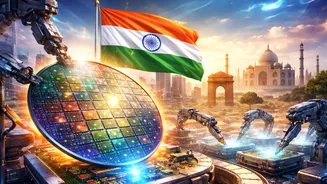
Several strategic initiatives play a crucial role in shaping India's economic growth. The government is implementing policies that prioritize fiscal prudence, aiming to manage public debt and maintain economic stability. Digitalization is another key focus, with efforts to enhance digital infrastructure, promote digital payments, and support technology adoption across industries, including e-commerce and fintech, thereby improving efficiency and transparency. Furthermore, initiatives to promote manufacturing through programs like 'Make in India' are designed to boost domestic production, create jobs, and enhance India's global competitiveness. The government is also emphasizing skill development, recognizing that a skilled workforce is critical for sustained economic expansion. Investing in education and training programs helps equip the youth with the skills needed to meet the demands of a rapidly changing economy. These strategies work to build a robust economic environment.
Global Headwinds Analyzed
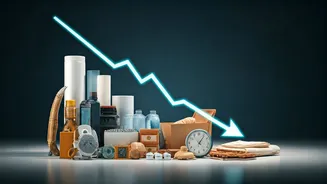
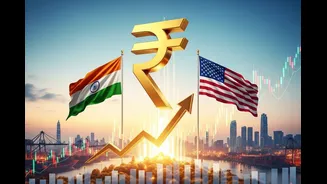
While India’s economy shows robust growth, it must contend with global headwinds. The rise in inflation rates globally poses challenges, potentially reducing consumer spending and increasing production costs. Supply chain disruptions, often stemming from geopolitical tensions or global events, can impact the availability of raw materials and finished goods, which may then affect production and trade. Moreover, fluctuations in global economic growth and trade have significant impacts on India’s exports and overall economic performance, requiring adaptability and strategic planning. The volatility in currency markets can affect the value of the rupee, influencing imports, exports, and foreign investment. Navigating these external challenges requires effective policy coordination, proactive measures, and a focus on building a more resilient and diversified economy.
Future Economic Outlook
Despite various global challenges, the future outlook for the Indian economy remains positive, supported by structural reforms, a favorable demographic profile, and strategic initiatives. Continued investment in infrastructure and technology is expected to fuel long-term economic expansion. The government's focus on ease of doing business and attracting foreign investment is set to boost economic activities. Furthermore, digital transformation and innovation are crucial drivers for future growth, fostering efficiency and creating new opportunities in several sectors. The growth will depend on various factors, including effective policy implementation, sustained reforms, and proactive measures to mitigate global risks. The RBI Governor’s outlook suggests continued vigilance and strategic planning to ensure sustainable economic prosperity in the years to come.