





A Historic Return
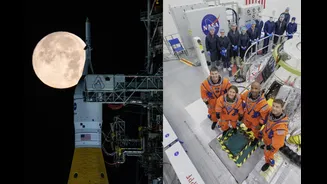
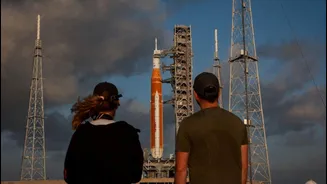
For the first time since the Apollo era concluded in 1972, humans are poised to venture back into the vicinity of the Moon. NASA's Artemis II mission is designed
as a crucial precursor, a sophisticated test flight aimed at rigorously validating all onboard systems before a crewed lunar landing is attempted in 2028. This 10-day expedition will carry four astronauts on a trajectory that circles the Moon without landing, serving as a vital step in NASA's larger plan for sustained human presence in deep space. The mission's success is paramount for building confidence and ensuring the safety of future lunar explorers, bridging a significant gap in human spaceflight history and paving the way for extended lunar operations and beyond.
Navigating Lunar Routes
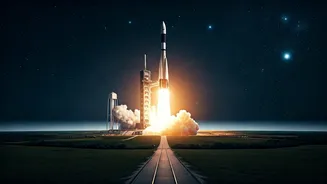
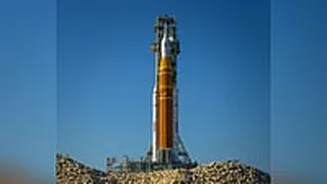
The journey to the Moon's vicinity for Artemis II is anticipated to take between three and four days, a timeframe comparable to the Apollo missions' travel duration to the lunar surface. This is a stark contrast to many recent uncrewed lunar missions, such as India's Chandrayaan-3, which employed longer, more fuel-efficient routes taking weeks or even months. The selection of a quicker trajectory for Artemis II necessitates the use of extremely powerful launch vehicles. NASA is leveraging its most potent current rocket, the Space Launch System (SLS), which echoes the might of the Saturn V rockets that propelled the Apollo astronauts. This powerful combination of the SLS rocket and the Orion spacecraft, both new to crewed flight, is essential for achieving the mission's ambitious goals and ensuring timely progress.
Orion's Lunar Ballet
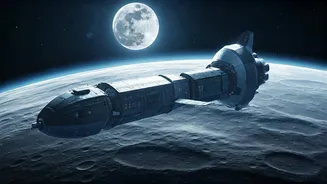
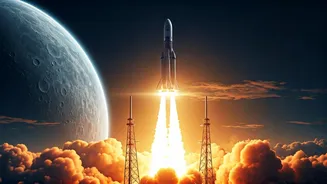
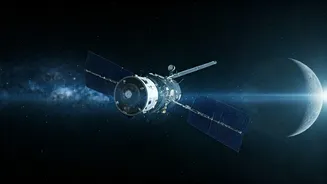
The Artemis II mission will commence with two orbits around Earth before setting course for the Moon. Upon arrival, the Orion spacecraft will embark on a fascinating lunar flyby, circumnavigating the Moon. A key highlight of this journey will be its closest approach, reaching an astounding distance of approximately 6,500 kilometers from the far side of the Moon. This represents the furthest human beings have ever traveled into the cosmos. To provide perspective, the Apollo missions, which successfully landed on the lunar surface, maintained an altitude of only about 110 kilometers from the Moon's far side during their orbits. This record-breaking distance underscores the advanced capabilities of the Artemis program and its intent to push the boundaries of human exploration.