




Calf Muscles: Your Body's Second Heart
Our calf muscles play a crucial role in propelling blood back towards the heart from the lower extremities, acting almost like a secondary pump. When we remain
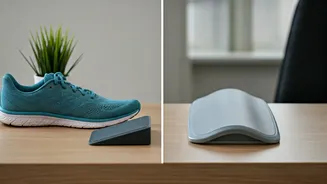
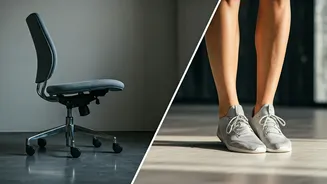
seated for extended periods, this natural circulatory process can become sluggish, potentially leading to feelings of heaviness or noticeable swelling in the legs. Simple exercises performed while seated, such as calf raises, can effectively keep these muscles engaged and support a healthier blood flow. While these seated movements don't replace the comprehensive benefits of full-body activity, they serve as a highly practical strategy for staying active during lengthy periods of desk work, ensuring that your lower legs don't become too stagnant.
The Power of the Walk
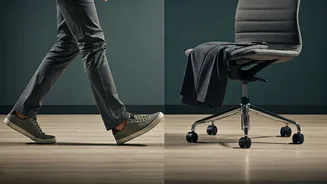
Walking emerges as a superior option for overall physical engagement, as it recruits and activates a wider array of muscle groups, encompassing the legs, hips, and core. Beyond musculature, this activity significantly enhances blood circulation, bolsters cardiovascular health, and actively combats the stiffness that commonly arises from prolonged sitting. The impact is noticeable even with brief strolls lasting merely 5 to 10 minutes during work breaks. Nevertheless, the value of seated calf raises should not be entirely dismissed, particularly in scenarios where frequent breaks to stand and walk are unfeasible. These targeted exercises help awaken the calf muscles, which are vital for facilitating venous return and supporting the heart's pumping action.
Combining Strategies for Best Results
For individuals whose daily routines involve extensive sitting, both walking and seated calf raises offer distinct advantages, though their impact can vary. Walking is a highly beneficial activity that engages multiple muscle groups, thereby improving circulatory function, supporting the healthy movement of joints, and lowering the risk of both stiffness and potentially dangerous blood clots. Many opt for walking as a primary means of staying active when other forms of exercise are impractical. It also contributes positively to cardiovascular fitness and aids in weight management. Seated calf raises, however, prove useful when continuous movement is simply not an option, such as during prolonged desk work. These exercises specifically target the calf muscles, aiding venous return and reducing lower leg swelling. Ultimately, a synergistic approach that integrates both strategies is often recommended. Incorporating short walks every hour, even for just a few minutes, allows the body to recalibrate and alleviate stiffness. Complementing these walks with seated exercises like calf raises, ankle rotations, or stretches can further ensure the legs remain active and responsive throughout the workday.