







Initial Body Response
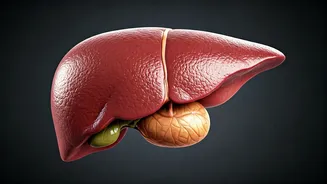
The first 24 hours of a water fast initiate a series of metabolic shifts. The body initially draws upon its glucose reserves, or glycogen, stored in the
liver and muscles for energy. As glycogen stores diminish, typically within the first day, the body starts to switch to burning fat for fuel. This transition involves the liver converting stored fat into ketones, which then become the primary energy source for many cells. During this initial stage, some individuals might feel symptoms such as lightheadedness, fatigue, or headaches as the body adapts to the lack of glucose. Hydration becomes extremely crucial as the body starts to flush out waste products that the body is no longer using from the foods you eat.
Ketosis and Fat Burning
After the first day, the body progressively enters a state of ketosis. Ketones, produced from the breakdown of fats, start circulating in the bloodstream and are utilized by the brain and other organs as an alternative energy source. During this phase, individuals may experience a decrease in appetite, and some may report feeling more focused and mentally clear. This is also when the body begins to conserve energy by slowing down metabolic processes. The body also starts to break down damaged cells and recycle their components, a process known as autophagy, which is believed to offer some health benefits by removing cellular waste. Throughout this stage, maintaining hydration is critical to support kidney function and the elimination of metabolic byproducts.
Physical Effects Observed
The physiological changes extend beyond the metabolic. During a three-day water fast, a person may experience weight loss, primarily due to the loss of water and fat stores. However, this weight loss is usually not sustainable unless paired with dietary changes after the fast. There's also a potential reduction in inflammation, as the body's resources are redirected away from digestive functions and towards repair and maintenance. The digestive system effectively gets a rest, giving it time to recover and potentially improve its function. However, the body is also losing electrolytes, which can lead to imbalance and potential complications such as muscle cramps or dizziness if not managed through proper hydration and monitoring.