





Overnight Oral Dangers
Many people believe morning brushing is paramount for fresh breath and a clean feel, but the real damage might be occurring while you sleep. When you neglect
to brush before bed, you're leaving your teeth exposed to a persistent environment conducive to decay. During the night, saliva production decreases significantly. Saliva normally acts as a natural mouth cleanser, washing away food particles and neutralizing harmful acids. With reduced saliva, bacteria thrive on the food debris left from the day's meals. These bacteria then produce acids that attack tooth enamel for extended periods, increasing the risk of cavities and other dental concerns. This prolonged exposure to an acidic environment, without the protective action of saliva, is the hidden danger of not brushing at night.
Is One Brush Enough?
The simple answer from dental professionals is a resounding no. While brushing in the morning provides a temporary feeling of cleanliness and freshens your breath for the initial part of the day, it offers little protection against the continuous bacterial activity that transpires overnight. Plaque, a sticky film of bacteria, begins to reform on your teeth within hours of brushing. Therefore, if your routine consists of only a single brushing session daily, particularly in the morning, your teeth are left vulnerable to bacterial proliferation for a substantial duration. From a clinical viewpoint, prioritizing a nighttime brush is far more critical. It effectively removes the accumulation of plaque and food particles that have gathered throughout the day, thereby minimizing the overnight onslaught of damaging acids and bacteria.
Long-Term Oral Health
Consistently skipping your nightly brushing ritual can lead to a cascade of escalating oral health problems. Initially, this oversight might manifest as persistent bad breath and a noticeable buildup of plaque on your teeth. However, if left unaddressed, this plaque hardens over time into tartar. Tartar is a calcified deposit that cannot be removed by regular brushing and necessitates professional dental cleaning. The progression of untreated plaque and tartar can lead to significant gum inflammation, known as gingivitis. If this condition is not managed, it can advance to periodontitis, a severe form of gum disease that can ultimately result in tooth loss. Furthermore, chronic inflammation within the gums has been increasingly linked to broader systemic health issues throughout the body, highlighting the interconnectedness of oral and overall well-being.
Prioritizing Prevention
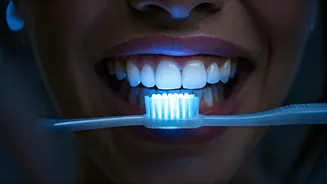
Ultimately, achieving robust oral health hinges less on infrequent, intensive cleaning sessions and more on establishing and maintaining consistent daily habits. The most straightforward yet profoundly effective strategy for safeguarding your teeth and gums involves brushing twice a day, utilizing a fluoride-containing toothpaste, with a strong emphasis on performing this crucial step before retiring for the night. This consistent practice significantly disrupts bacterial colonization and acid production, thereby mitigating the damaging effects that can occur during prolonged periods of sleep. By shifting the focus from merely addressing morning breath to proactively preventing overnight damage, individuals can take a vital step towards ensuring the longevity and health of their smiles.