







The Spicy South American Secret
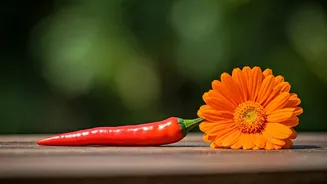
It's almost impossible to envision Indian gastronomy without the fiery kick of chilli peppers. However, these essential ingredients are not indigenous
to the subcontinent. They embarked on their journey to India with Portuguese navigators during the 15th and 16th centuries, originating from the Americas, specifically Central and South America. Before their widespread adoption, indigenous spices like black pepper and long pepper were the primary sources of heat in Indian cooking. Fortunately for culinary enthusiasts, chillies thrived in India's diverse climates, rapidly becoming a fundamental component across a vast spectrum of regional dishes, from fiery curries to zesty snacks, forever altering the nation's flavour profile.
Bougainvillea's Global Climb
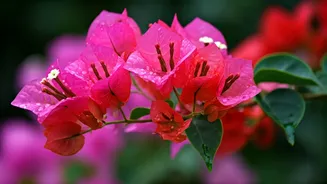
The riot of colour provided by bougainvillea, adorning countless Indian streets and walls with its vivid pinks, purples, oranges, and whites, evokes a sense of tropical familiarity. Yet, this visually striking plant traces its roots back to South America, with significant origins in countries like Brazil, Peru, and Argentina. Its popularity in tropical and subtropical regions worldwide, including India, is largely due to its remarkable resilience against drought and its exceptionally vibrant aesthetic appeal. The plant's unique structure, where colourful bracts surround inconspicuous flowers, creates a spectacular floral display. Varieties like B. peruviana, with rose to magenta bracts, and the hybrid B. × buttiana, offering shades from lemon yellow to crimson, demonstrate its adaptability and ornamental value in warm climates.
Australia's Gift: Eucalyptus
Eucalyptus trees are a common sight across India, often cultivated for their rapid growth, providing valuable timber and pulp for paper production, and contributing to green cover. However, the vast genus of Eucalyptus, encompassing over 660 species of shrubs and towering trees, is native to Australia and its neighbouring islands. Introduced to India during the era of British colonial rule, eucalyptus gained favour for its swift growth rate, making it an attractive option for afforestation and resource generation. Despite its practical benefits, the ecological impact of some eucalyptus species remains a subject of debate among environmentalists, with concerns raised about their substantial water consumption and potential effects on local plant and animal biodiversity.
Madagascar's Fiery Bloomer
The spectacular sight of the gulmohar tree, celebrated for its profusion of brilliant orange-red blossoms during the summer months, is a hallmark of Indian landscapes, leading many to believe it's a native species. In truth, this ornamental tree originates from Madagascar. Its journey to India and other subtropical and tropical regions worldwide has established it as a favoured garden and avenue tree, thriving in both humid and arid conditions across the country. The gulmohar's dramatic, umbrella-like canopy and its stunning visual appeal have made it a popular choice for beautifying urban streets, parks, and educational campuses throughout India, adding a burst of fiery colour to the scenery.
Papaya: A Tropical Treasure
Papaya, a fruit now widely cultivated and a staple in Indian diets, also has an origin story that doesn't begin in India. This versatile fruit originally hails from Central America and southern Mexico. Its introduction to India occurred centuries ago, likely through maritime trade routes. The plant adapted exceptionally well to India's tropical climate, quickly becoming valued for its rich nutritional profile and its well-known digestive properties. While papaya cultivation originated in regions like South Mexico and Costa Rica, India has emerged as the world's leading producer, contributing approximately 3 million tonnes annually to the global output of about 6 million tonnes.