







ICC's Stance Explained
The International Cricket Council (ICC), as the governing body for international cricket, plays a significant role in mediating disputes and ensuring fair
play among member nations. In this particular situation, the ICC is monitoring the brewing conflict between India and Pakistan and has expressed its concerns regarding Pakistan's potential boycott of matches against India, particularly in the T20 World Cup. The ICC's primary objective is to maintain the integrity and global appeal of the sport, which hinges on the participation of all member nations in major tournaments and bilateral series. A boycott by a major team like Pakistan could impact the tournament's financial aspects, media coverage, and overall fan engagement. The ICC's warning suggests it's prepared to take action to enforce its regulations and ensure all teams abide by its rules, emphasizing the importance of playing the game within the prescribed framework.
India's Position Outlined
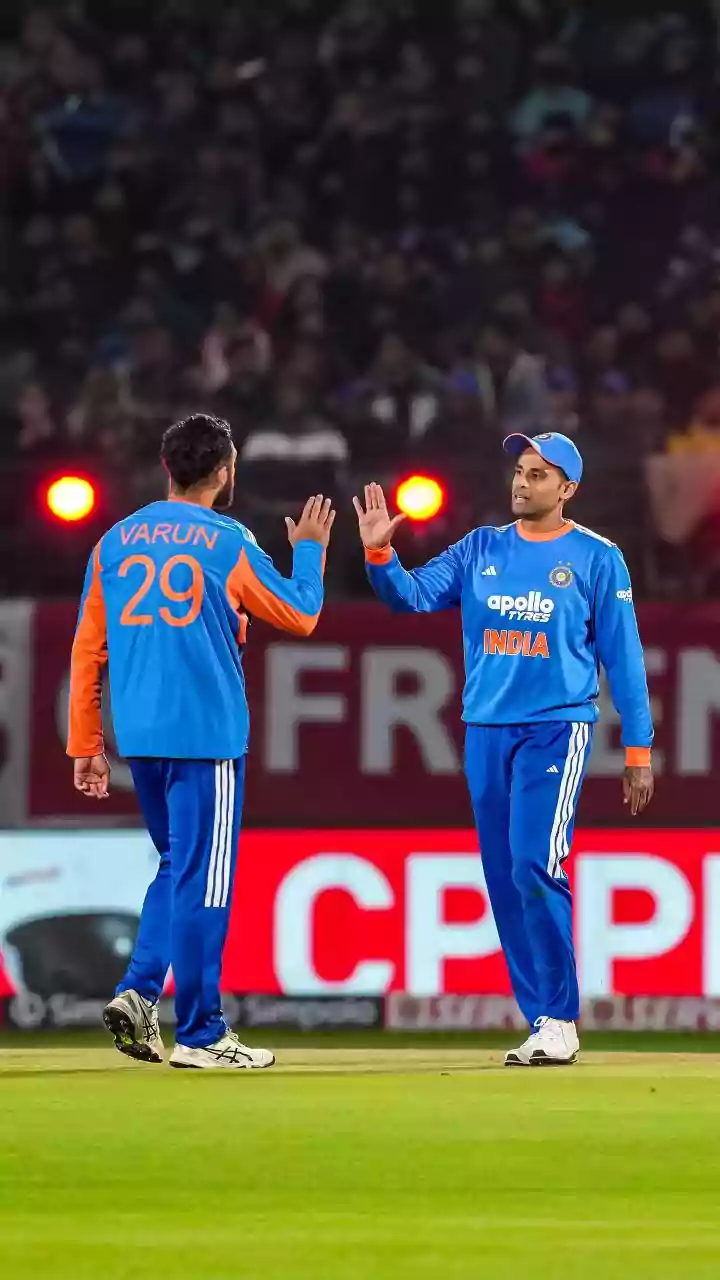
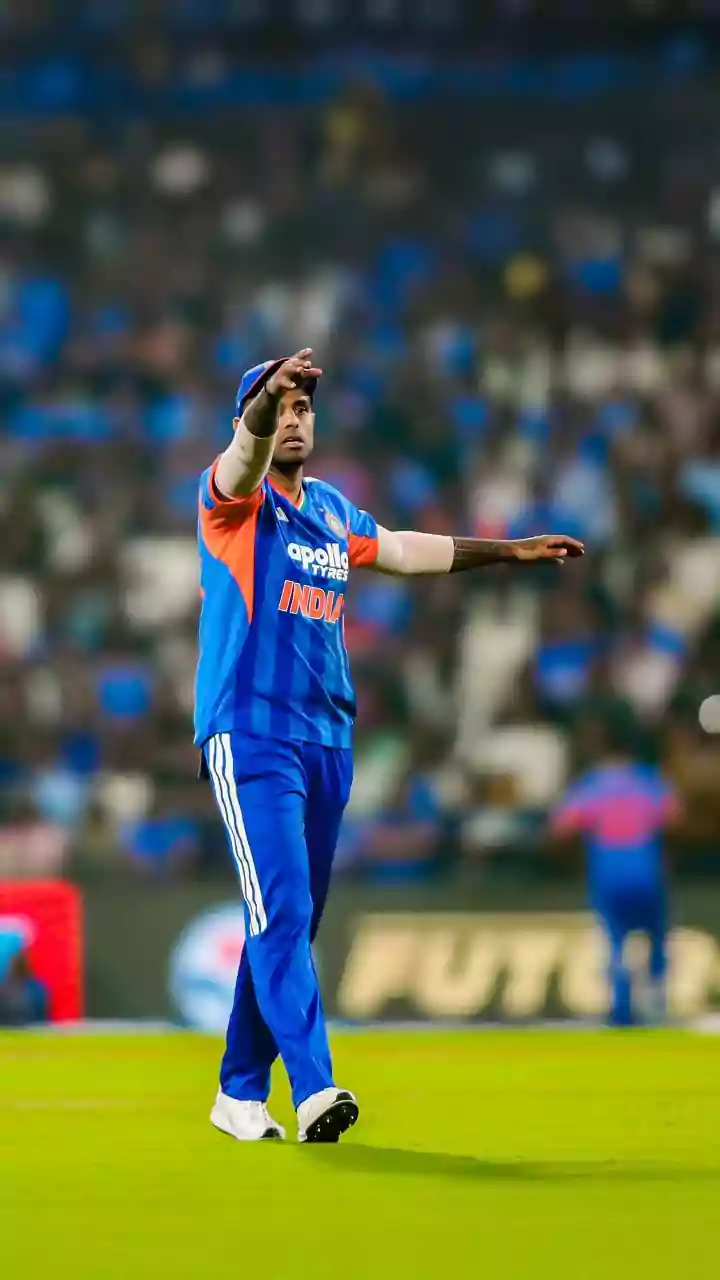
India's stance in this evolving situation remains crucial. While specific official statements regarding the controversy might have been limited, India's cricketing authorities and the government are expected to consider the larger geopolitical implications when deciding how to proceed. Any significant cricketing decisions are often interwoven with the broader diplomatic relations that India has with Pakistan. India, a powerhouse in international cricket, will likely want to ensure that any action taken protects its interests and the integrity of the sport. The country's cricket board and related stakeholders would probably be in discussions with the ICC to clarify any rules or decisions regarding this matter. Moreover, given the historical rivalry between India and Pakistan, public opinion and national sentiments will likely influence India's responses. Therefore, expect a measured approach, considering all aspects before making its next move.
Pakistan's Stance Decoded
Pakistan's approach is the core of this developing cricketing saga. According to the initial reports, Pakistan was contemplating a boycott of matches against India, raising significant questions. The reasons for Pakistan's stance may involve diplomatic issues, political disagreements, or concerns about the fairness and the organizational aspects of playing in India. The Pakistani cricket authorities likely discussed the matter with the relevant government departments and considered all ramifications of such a severe decision, including its possible effects on the ICC's regulations, which may involve penalties or sanctions. The Pakistani team's decision to potentially skip matches would have serious consequences, especially for major tournaments such as the T20 World Cup, affecting the financial income, prestige, and overall competitiveness of the sport. Pakistan, therefore, must weigh both sporting and political considerations, understanding the wider impact of their moves on the cricketing world.
The Controversy Timeline
To understand the current tension, it's essential to track the sequence of events. The timeline started with reports of Pakistan possibly boycotting matches against India, mainly due to escalating political tensions and the existing diplomatic concerns between the two nations. The ICC responded by issuing warnings about the implications of such a boycott, underlining the necessity of compliance with the regulations. Discussions among the cricketing boards and involved governments followed, which included considerations of various aspects, from playing conditions to the broader geopolitical situation. The timeline represents a high-stakes scenario. The key aspect to consider is the decisions made by the teams and how the ICC may respond. This controversy unfolds at every point in time as the involved parties discuss the situation, consider their options, and try to find a solution that considers all the players.
Impact on T20 World Cup
The T20 World Cup is at the center of the controversy, with any boycott from Pakistan potentially causing significant disruption. This tournament’s value depends on the participation of all main teams, and if a major participant like Pakistan declines to play, the tournament's income, appeal to viewers, and overall sporting value are at risk. A boycott would lead to reduced international interest, as the India vs. Pakistan match is frequently one of the most-watched and highly anticipated events in the cricket calendar. Moreover, the loss of these matches would impact the commercial agreements connected to the tournament. The ICC would likely face financial and logistical challenges as it seeks to deal with the fallout from Pakistan's boycott. Any resolutions to this situation will need to center on protecting the event's integrity and guaranteeing that the sport's spirit remains intact.