




Protein's Vital Role
Understanding the significance of protein in our diet is paramount for overall health and well-being. Protein serves as the fundamental building block
for our bodies, essential for the growth, repair, and maintenance of muscles, tissues, and organs. Beyond its structural functions, it plays a crucial role in metabolic processes, aiding in the production of vital enzymes and hormones that regulate numerous bodily functions. For those managing their weight, protein is a key ally, promoting a sense of fullness (satiety) that can help control appetite and reduce overall calorie intake. The recommended daily intake for adults generally falls between 0.8 to 1.2 grams per kilogram of body weight, with active individuals often needing to aim for the higher end of this spectrum. This translates to approximately 56 to 91 grams for men and 46 to 75 grams for women, contingent on factors like lifestyle and health status. Therefore, consciously integrating protein-rich foods into your daily meals is a strategic move towards a healthier you.
Breakfast Boosters
Kicking off your day with a protein-rich breakfast is an excellent strategy to set a positive tone for your entire day's nutritional intake. A simple yet effective breakfast option involves preparing oats with milk or yogurt, enhanced with a spoonful of honey for a touch of sweetness. To further amplify its protein content and nutritional value, incorporate a generous serving of chia seeds and a handful of mixed nuts. This wholesome combination can easily contribute between 20 to 25 grams of protein to your daily tally, providing sustained energy and keeping you feeling satisfied until your next meal.
Lunchtime Protein Power
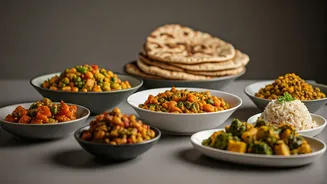
Lunch offers a significant opportunity to boost your protein intake, and Indian cuisine provides a wealth of delicious and protein-packed options. For a vegetarian meal, a balanced plate featuring 100 grams of paneer (Indian cottage cheese), approximately 150 grams of dal (lentils) or chana (chickpeas), a portion of nutrient-rich green vegetables, rice, and a side of dahi (yogurt) can readily supply between 25 to 27 grams of protein. If you opt for a non-vegetarian lunch, simply adding 120 to 150 grams of chicken to your meal can effortlessly elevate your protein intake to around 35 grams, making it a substantial contribution towards your daily goal without requiring extra effort.
Snack Smartly
The mid-afternoon period is often when energy levels tend to dip, making it the ideal time to refuel with a protein-rich snack. Incorporating a protein shake into your routine can provide a quick and convenient way to add approximately 20 grams of protein to your daily intake. Alternatively, you can opt for natural, protein-dense dessert options that serve a similar purpose. This strategic snack not only helps to bridge the gap between lunch and dinner but also contributes significantly to reaching your overall daily protein target, ensuring sustained energy levels and preventing overeating at your next main meal.
Dinner Delights
Concluding your day with a protein-focused dinner ensures you meet your daily target and aids in muscle recovery overnight. A well-rounded dinner can include Khapli atta roti, which is known for its lower gluten content and higher protein density compared to regular wheat flour. Accompany this with a serving of dal, a flavorful paneer sabzi (a dish made with cottage cheese and vegetables), and a side of dahi. This combination effectively rounds off your protein intake for the day, providing a satisfying and nutritious end to your meals. The strategic inclusion of these components ensures that your daily protein goals are met without feeling overly restricted.
Diverse Protein Sources
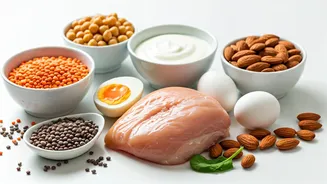
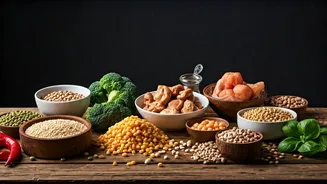
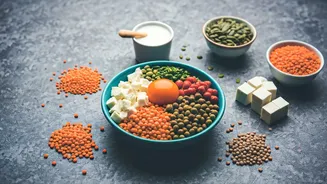
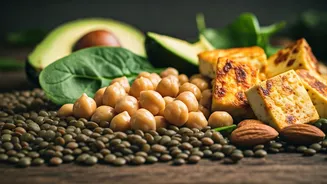
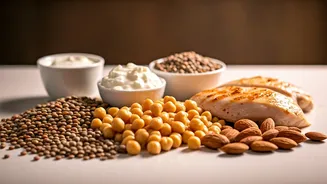
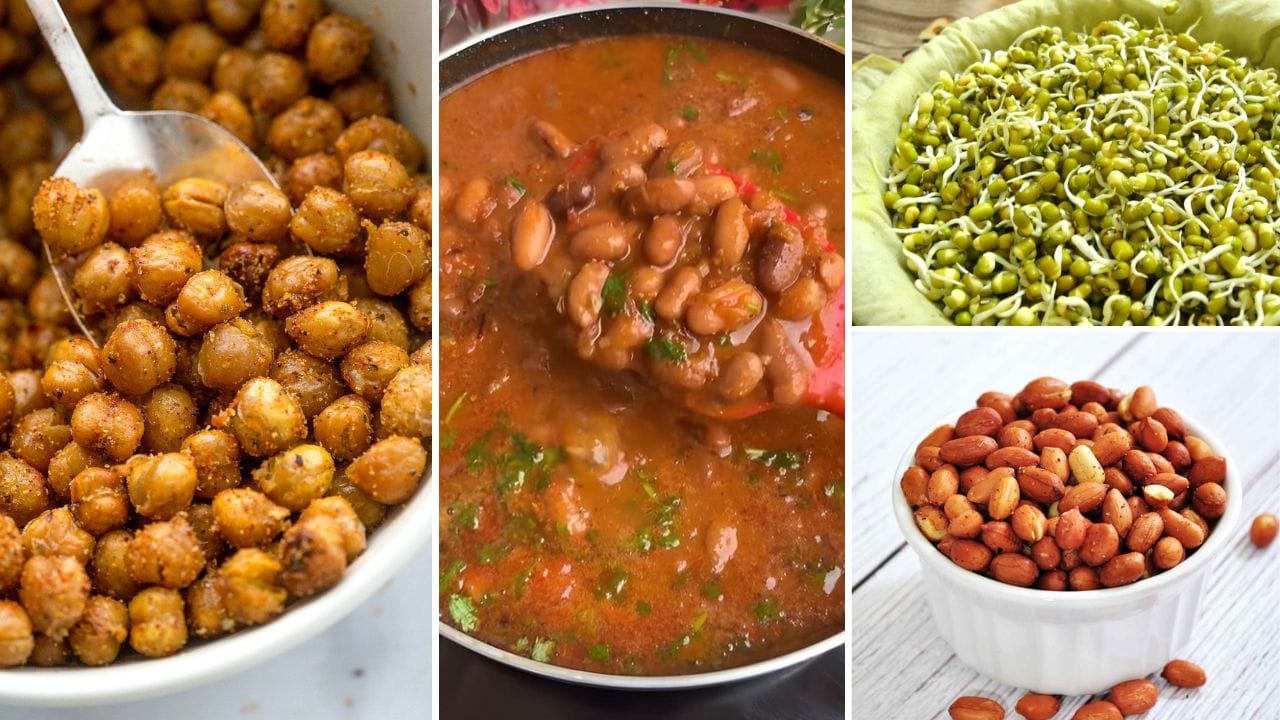
Achieving adequate protein intake is made simpler by diversifying your food choices. While animal products like lean meats, poultry, and fish are undeniably rich sources of protein, plant-based alternatives are equally effective and offer a spectrum of nutrients. Lentils, beans, tofu, and quinoa are excellent vegetarian protein options. Consuming a variety of these foods guarantees a comprehensive intake of essential amino acids, which are vital for numerous bodily functions. Protein supplements, such as shakes or bars, can also serve as convenient additions to complement your regular meals and help you consistently hit your protein targets.