





Fitness Beyond Age
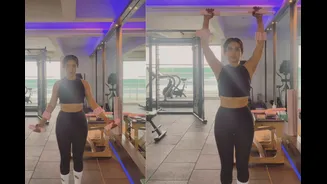
Action director Sham Kaushal, at the age of 70, recently offered an inspiring glimpse into his dedication to physical fitness by sharing a video of his gym
routine. The footage captured him engaging in resistance exercises, including suspension training and bench presses, showcasing a remarkable commitment to maintaining his strength. His accompanying caption, 'By God’s grace, small efforts to continue…,' underscores a philosophy of persistent, incremental progress rather than extraordinary feats. This demonstration serves as a powerful testament that age is not a barrier to physical activity and that a disciplined approach to exercise can be maintained throughout life, promoting a healthier and more active aging process. The emphasis is on consistent effort, highlighting that visible results stem from sustained dedication.
Combating Sarcopenia
From a clinical nutrition viewpoint, Sham Kaushal's commitment highlights the critical concept of active aging. As individuals advance in years, a natural and gradual reduction in muscle mass, a condition known as sarcopenia, becomes prevalent. However, engaging in regular strength training routines can significantly mitigate this decline. This form of exercise not only helps preserve muscle bulk and function but also contributes to improved bone density, making bones stronger and less susceptible to fractures. Furthermore, it plays a vital role in enhancing metabolic health by improving the body's efficiency in processing nutrients and energy. A key benefit is better insulin sensitivity, which is paramount in preventing or managing age-related metabolic conditions such as type 2 diabetes, thereby promoting overall longevity and well-being.
Nutrition and Recovery
Beyond the physical exertion, an equally crucial aspect highlighted by Sham Kaushal's fitness journey is the indispensable role of adequate nutrition and effective recovery, particularly for those in their later years. Maintaining muscle mass and function at this stage of life is not solely dependent on exercise; it also necessitates a well-rounded dietary intake. Sufficient protein consumption is vital for muscle repair and synthesis, while essential micronutrients like Vitamin D, calcium, and Vitamin B12 are indispensable for supporting these processes and overall skeletal health. Equally important are proper hydration and sufficient rest, as these elements work synergistically with exercise and nutrition to amplify the benefits, ensuring the body can effectively rebuild and adapt, thereby sustaining strength and vitality.
The Power of Consistency
Sham Kaushal's simple yet profound caption, 'small efforts to continue…,' encapsulates a fundamental truth about achieving lasting health and fitness. It beautifully illustrates that the pursuit of physical well-being is not about undertaking extreme workouts or chasing rapid, short-lived transformations. Instead, it emphasizes the virtue of showing up consistently, even if the daily contributions are modest. This philosophy of 'consistency over intensity' is the bedrock upon which long-term health is built. In a society that often associates aging with a natural inclination to slow down, this mindset offers a potent counter-narrative. It encourages individuals to view their physical capabilities not as diminishing assets, but as adaptable components that can be maintained and even enhanced through regular, sustained effort, fostering a more positive outlook on the aging process.
Maintaining Independence
The message conveyed by Sham Kaushal's dedication to strength training, especially in one's 50s, 60s, and beyond, is profoundly important for maintaining an independent and high-quality life. When performed correctly and with appropriate guidance, engaging in strength training during these decades is not merely safe; it is essential. It directly contributes to preserving mobility, allowing individuals to perform daily tasks with ease and confidence. Moreover, it plays a significant role in enhancing overall physical function, which is crucial for independence and reducing the risk of falls or injuries. The overarching takeaway is a powerful reminder: aging does not necessitate a cessation of physical activity. In fact, the inverse is true – stopping physical activity accelerates the aging process. Therefore, continued engagement in exercise, particularly strength training, is a vital strategy for enjoying a vibrant and autonomous life well into old age.