





Idli: South Indian Delight
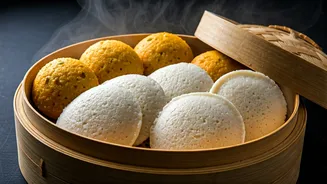
Idli, a quintessential South Indian breakfast, is made from fermented batter of rice and urad dal (black lentils). The fermentation process is key, as it
enhances the flavor and makes the idlis light and fluffy. Traditionally, the batter is left to ferment overnight, allowing the natural yeasts to work their magic. This creates a slightly tangy taste and helps the idlis rise beautifully when steamed. Served with sambar (a lentil-based vegetable stew) and coconut chutney, idli is a complete meal, providing carbohydrates, protein, and essential nutrients. The steaming process ensures it's easy to digest, making it a popular choice for all ages. It's a low-calorie, healthy option and a perfect way to start your day. Consider the variations like Rava Idli, made from semolina for a different texture and taste.
Dhokla: Gujarati Treat
Dhokla, a beloved Gujarati snack, is a steamed cake made from fermented batter, typically comprising gram flour (besan). The fermentation is vital here as well, introducing a slight tang and ensuring a light, spongy texture. The batter includes spices like green chilies, ginger, and sometimes a touch of turmeric for color and flavor. Once steamed, the dhokla is often tempered with mustard seeds, curry leaves, and a dash of asafoetida (hing) in hot oil to enhance the taste. It's often served with coriander chutney. Dhokla is light, airy, and a delightful treat for breakfast or as a snack. There are various types of dhokla, like Khaman Dhokla, which is a popular variant. It’s a great source of protein due to the besan, making it a filling and nutritious choice. Different regions use their own unique spice blends or add-ins to customize the flavor of dhokla.
Modak: Maharashtrian Sweet
Modak, a traditional sweet, particularly popular in Maharashtra, is often made during the festival of Ganesh Chaturthi. The outer layer is made from rice flour or wheat flour dough, and the filling typically consists of grated coconut and jaggery. The dough is molded into various shapes and then steamed until it becomes soft and translucent. The process of steaming ensures the flavors of the coconut and jaggery meld perfectly. The sweet and slightly chewy texture of the modak makes it a delicious treat. Modaks can also have a savory version where the filling might include vegetables and spices, offering a unique twist to the traditional sweet. They represent prosperity and happiness and are considered sacred in many households.
Puttu: Kerala’s Staple
Puttu, a breakfast staple from Kerala, is made with steamed cylinders of rice flour and grated coconut. The rice flour is mixed with water and sometimes a pinch of salt. The mixture is then layered with grated coconut in a puttu kutti (a specialized steamer). The steaming process infuses the flavors of the coconut into the rice flour, creating a moist and flavorful dish. Puttu is typically served with kadala curry (black chickpea curry) or a variety of other curries, and sometimes with ripe bananas. It's a quick and simple breakfast, known for its soft, slightly crumbly texture. The use of rice flour makes it easily digestible. Puttu is a versatile dish, easily adapted to different dietary preferences by varying the accompanying curries.
Khaman: Another Gujarati Dish
Khaman is another popular Gujarati snack, similar to dhokla but with some key differences in ingredients and texture. It is made primarily from chana dal (split chickpeas) flour, mixed with water, spices, and sometimes a little bit of eno (fruit salt) or baking soda to make it fluffy. The batter is steamed until it becomes a soft, spongy cake. It's often tempered with mustard seeds, curry leaves, green chilies, and asafoetida, similar to dhokla. The resulting dish is light, fluffy, and flavorful. Khaman is often served with a variety of chutneys and can be enjoyed as breakfast, snack, or even a side dish. The use of chana dal flour contributes to the protein content, making it a nourishing option.
Idiyappam: String Hoppers
Idiyappam, also known as string hoppers, are steamed rice noodles popular in South India and Sri Lanka. They are made from rice flour dough that is pressed into thin strands and then steamed. The steaming process is crucial, as it cooks the noodles and gives them their soft, delicate texture. Idiyappam are typically served with various curries, such as vegetable korma, stew, or egg curry, or even with sweetened coconut milk and jaggery. This breakfast is light, easily digestible, and a good source of carbohydrates. Its simplicity makes it versatile for a variety of meal pairings. The preparation may vary slightly depending on regional preferences and the type of rice flour used.
Thukpa: Tibetan Noodles
Thukpa, a comforting Tibetan noodle soup, is often enjoyed as a breakfast in Himalayan regions. While not exclusively steamed, the preparation often involves steaming or cooking the noodles. The noodles are generally wheat-based and served in a hearty broth with vegetables, sometimes meat, and spices. The broth is simmered for hours, developing deep flavors that complement the soft noodles. The steaming or boiling ensures that the noodles are perfectly cooked and that they absorb the flavors of the broth. Thukpa provides a warm, fulfilling breakfast, particularly suitable for colder climates. Its versatility allows for various vegetable and meat additions, making it a customizable and nutritious meal. It’s known for its ability to bring a sense of warmth.
Bati: Rajasthan's Treat
Bati is a round, baked bread from Rajasthan, often enjoyed with dal (lentil stew). Although the bati itself is baked, its accompaniment can be steamed. The batter is made from wheat flour and baked until golden brown and crispy. The bati is often broken and soaked in ghee before serving. Dal, which is frequently served with bati, can be prepared by steaming. It includes various lentils with spices, providing protein and fiber. The combination of bati and dal offers a complete, balanced breakfast that is both filling and nutritious. The unique textures and flavors of the bati and dal make this a signature Rajasthani dish that is perfect to kickstart your day.
Kuzhalappam: Kerala's Fritters
Kuzhalappam is a traditional Kerala snack typically made by steaming. The batter is usually prepared with rice flour, coconut milk, and spices, which is then poured into a bamboo mold. These are then steamed until the batter solidifies and becomes fluffy. The steaming process infuses flavors and sets the texture. Kuzhalappam is generally eaten with sugar or jaggery or can be served as a side with savory curries. It’s a delightful combination of sweet and savory flavors. The dish can also be modified with variations in ingredients and spices, showcasing culinary diversity. This offers a light and versatile breakfast or snack option that represents Kerala's culinary heritage.
Uttapam: South Indian Pancake
Uttapam is a thick pancake made from fermented batter, similar to the batter used for idli and dosa. The batter is poured onto a hot griddle and cooked. Though not directly steamed, the batter's fermentation process is key, similar to that of idli, and provides a light and airy texture. Vegetables, like onions, tomatoes, and chilies, are often added to the surface of the pancake while it cooks, giving it a delicious flavor. Uttapam is served with sambar and chutney, making it a complete meal that provides carbohydrates, protein, and essential nutrients. It is a nutritious breakfast that is loved by both adults and children. The addition of vegetables makes it a great way to add more nutrients.