



Travel Hygiene Essentials: What's Truly Needed?
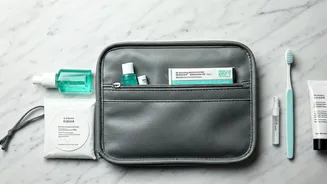
The idea of a comprehensive hygiene pouch, popularized by celebrity Shweta Tiwari's travel essentials, often includes items like gloves, tissues, sanitizers,
toilet seat covers, personal soap, and notably, intimate wipes. While the convenience of such a kit, especially for frequent travelers navigating public restrooms, is undeniable, its medical necessity is a different matter. Dr. Geeta Jain, a seasoned gynecologist and IVF specialist, emphasizes that the cornerstone of infection prevention isn't a vast array of products, but rather consistent and correct hand hygiene. Having access to soap and water or carrying an effective hand sanitizer, alongside clean tissues, forms the primary defense against germs. While additional items might offer a sense of security, they often fall into the category of optional rather than medically mandated for safeguarding health during travel.
Toilet Sprays & Wipes: A False Sense of Security?
Products like toilet seat sanitizing sprays and disposable seat covers are frequently marketed as indispensable tools for creating a germ-free barrier in public restrooms. According to Dr. Geeta Jain, these items can indeed mitigate the presence of surface-level germs and provide a psychological comfort, making users feel more secure. However, it's crucial to understand that they do not offer an absolute or foolproof shield against infections. In fact, an over-reliance on sanitizing products, particularly intimate wipes, can inadvertently disrupt the body's natural defenses. The female body maintains a delicate internal ecosystem of beneficial microorganisms that actively protect against pathogenic invaders. When this balance is disturbed, typically by the overuse of harsh or chemical-laden products, it can render the body more vulnerable to irritation and infections rather than preventing them. The concern is that by stripping away healthy microbes, these products might inadvertently increase susceptibility to harm.
Intimate Wipes: Impact on Vaginal Health
The regular application of intimate wipes, especially those containing strong fragrances or harsh chemicals, carries a significant risk of altering the delicate pH balance and the natural microbiome of the vaginal area. Dr. Geeta Jain highlights that this disruption is a genuine concern, potentially leading to a cascade of issues such as increased dryness, persistent itching, uncomfortable irritation, and even a higher likelihood of experiencing recurrent infections. For women with sensitive skin, these adverse effects can be amplified. The vagina possesses a remarkable self-cleaning capability, supported by its own protective bacterial flora. Introducing an excessive number of external products can upset this natural equilibrium, undermining the body's inherent mechanisms for maintaining health. In most scenarios, simple and gentle cleansing with water, supplemented by minimal use of appropriate products, is entirely sufficient for preserving intimate well-being and is often preferable to relying heavily on sanitizing wipes.