







Fan Danger Zone
As scorching heatwaves grip India, many people instinctively reach for electric fans to find relief. However, the World Health Organization (WHO) has issued
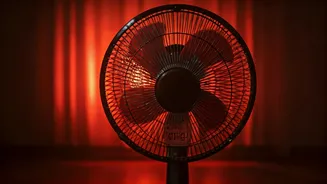
a stark warning: fans can transform from a cooling aid into a detrimental force once ambient temperatures climb above 40°C (104°F). At these extreme levels, the very device meant to dissipate heat can, paradoxically, contribute to warming the body. Dr. Rakesh Pandit, a senior consultant in Internal Medicine, elaborates that the core issue arises when the air circulated by the fan is hotter than our skin temperature. In such scenarios, instead of facilitating cooling through evaporation, the fan merely blows this superheated air over the skin, actively adding thermal energy to the body. This phenomenon renders the fan ineffective and potentially hazardous, turning a common comfort into a contributor to heat-related ailments when the environment reaches critical temperatures.
When Cooling Fails
Under typical conditions, electric fans provide comfort by accelerating the evaporation of sweat from our skin, a crucial process for thermoregulation. However, this natural cooling mechanism falters significantly when temperatures soar beyond 40°C. Prolonged exposure to air that is hotter than our body can lead to a dangerous cycle of increased dehydration and immense strain on the cardiovascular system. Dr. Pandit explains that using fans in such extreme heat doesn't just make them less effective; it actively exacerbates risks. This can lead to rapid dehydration, put undue pressure on the heart and circulatory system, and accelerate the onset of severe heat-related illnesses like heat exhaustion and potentially heatstroke. The body's ability to maintain a stable internal temperature is compromised, manifesting in symptoms like dizziness, profound weakness, confusion, and in severe instances, loss of consciousness.
Indoor Heat Safety
To navigate the perils of intense heatwaves while indoors, Dr. Pandit strongly advises seeking refuge in the coolest available part of your home, ideally staying inside during the most sweltering parts of the day. If your living space becomes unbearable, consider spending a few hours in a cooler environment outside your home. Critically, it's recommended to keep windows shut throughout the day to prevent hot air from entering, only opening them after sunset when external temperatures begin to recede. During peak sunlight hours, drawing curtains and blinds is essential to minimize solar heat gain within the house. Staying well-hydrated is paramount; Dr. Pandit emphasizes the importance of drinking copious amounts of fluids, with water being the preferred choice, to actively combat dehydration. Additional protective measures include donning loose-fitting garments made from breathable, natural fabrics, abstaining from heavy meals and strenuous physical activities, opting for cool showers, and applying damp cloths to the skin. Ensuring cross-ventilation after dusk and minimizing heat-generating sources like unnecessary lights and electrical appliances further aids in maintaining a more comfortable indoor environment.
Vulnerable Populations
Extreme heat poses a disproportionately high risk to certain segments of the population. Dr. Pandit identifies the elderly, very young children, individuals engaged in outdoor labour, and those managing chronic health conditions as particularly susceptible. People with pre-existing ailments such as heart disease, diabetes, or kidney problems may find their bodies struggle more to regulate temperature effectively under duress. Young children are prone to dehydrating at a faster rate, while outdoor workers face prolonged direct exposure to the sun's intense rays. Dr. Pandit urges families and communities to remain vigilant for the initial indicators of heat exhaustion and heatstroke. Symptoms demanding immediate medical evaluation include extreme fatigue, persistent headaches, dizziness, nausea, muscle cramps, confusion, and skin that feels hot and dry. A critical warning is issued: if an individual becomes disoriented or ceases to sweat, it signifies a dire situation requiring immediate cooling measures and urgent professional medical intervention.