




Pongal's Culinary Essence
Pongal, a Tamil harvest festival, is synonymous with culinary delights, particularly those that use freshly harvested rice. The essence of Pongal lies
in the communal preparation and sharing of dishes, fostering a sense of togetherness. The festival is a celebration of the sun god, Surya, and marks the beginning of the Uttarayan, the sun's northward journey. During this period, the use of fresh ingredients symbolizes abundance and prosperity, with each dish carrying a significance connected to the harvest season. The aroma of freshly cooked food fills homes, and the act of cooking becomes a ritual, bringing families closer. The diversity in dishes highlights the rich culinary heritage of South India, making Pongal a vibrant gastronomic experience.
Sweet Pongal Recipe
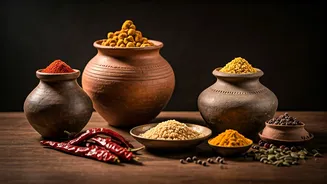
Sweet Pongal is the quintessential dish of the festival, signifying prosperity and sweetness in life. To prepare it, begin by washing and soaking rice and moong dal. Then, in a pot, combine ghee, milk, and water and bring it to a boil. Add the rice and dal, cooking until they soften, stirring occasionally to prevent sticking. Add jaggery or sugar, along with cardamom, cashews, and raisins, to enrich the flavor. Cook until the mixture thickens and the flavors blend perfectly. Sweet Pongal is often offered to the deity as a symbol of gratitude and is distributed among family and friends as a blessing. The creamy texture and delightful sweetness make it a festive favorite, embodying the joyful spirit of Pongal. Traditionally, this is cooked in a new earthen pot, symbolizing new beginnings and prosperity.
Ven Pongal Delight
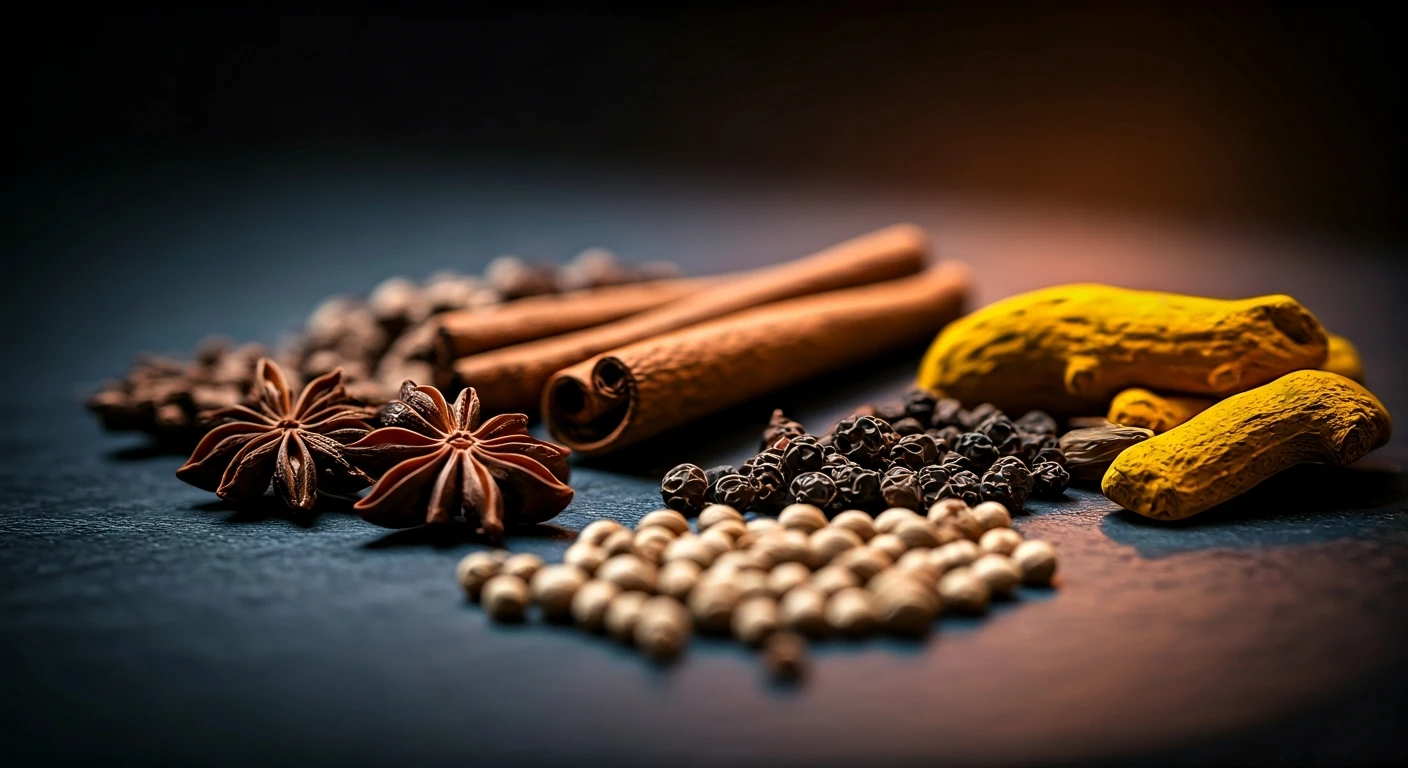
Ven Pongal is a savory version, often enjoyed for breakfast or as an accompaniment to other dishes. Start by roasting the moong dal until lightly golden and then wash it with rice. In a pressure cooker, add ghee and sauté spices like cumin seeds, black peppercorns, and asafoetida. Add the rice and dal mixture, along with water, and cook until it is soft and fluffy. The addition of ghee and freshly grated ginger enhances the flavor and aroma. Serve Ven Pongal hot, often accompanied by sambar and chutney. The dish is light yet satisfying, making it a perfect start to the festive day. Its preparation varies slightly across different regions, but the core ingredients and the warmth it brings remain consistent.
Sakkarai Pongal Variations
Sakkarai Pongal, or sweet Pongal, often sees regional variations adding diverse dimensions to its preparation. Some recipes include coconut milk, lending a rich creaminess, while others feature a touch of saffron for color and aroma. The use of different types of jaggery, depending on their availability, impacts the final flavor profile. Some cooks incorporate a pinch of edible camphor (pachai karpooram) for a distinct fragrance, typically towards the end of the cooking process. Nuts, like almonds and pistachios, can also be added for texture and richness. These variations, while personal, add to the cultural identity of the dishes during the festival. These subtle adjustments illustrate how the same basic dish is adapted and celebrated across various households.
Sambar's South Indian Charm
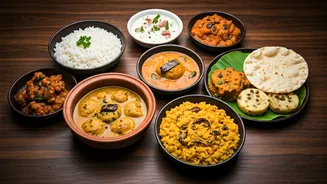
Sambar, a lentil-based vegetable stew, is a staple accompaniment to many Pongal dishes, particularly Ven Pongal. This dish showcases South Indian flavors through the incorporation of various vegetables such as drumsticks, pumpkin, and eggplant. The lentils, typically toor dal, are cooked until soft and blended with tamarind and a blend of spices. Each family usually has its own recipe, making Sambar a unique aspect of every Pongal meal. The cooking of Sambar brings out the essence of the harvest season with the use of fresh vegetables. This dish provides a balance of flavors and complements the richness of Pongal, thus completing the festive dining experience. Sambar, with its aromatic spice blend and comforting warmth, reflects the hospitality of South Indian households.
Chutney: Flavorful Sidekick
Chutneys are indispensable to a Pongal feast, offering a burst of flavor to complement the main dishes. Coconut chutney, with its fresh, creamy consistency, is a popular choice, prepared by blending grated coconut with green chilies, ginger, and tempering it with mustard seeds and curry leaves. Tomato chutney, offering a tangy counterpoint, features cooked tomatoes spiced with onions, garlic, and chilies. Each chutney offers a unique taste profile, varying according to the regional preferences and the ingredients available. The role of chutneys is to enhance and balance the meal, adding freshness and an element of zest. The preparation of chutneys also reflects the diversity of South Indian cuisine, with numerous recipes existing in different regions.
Pongal Rice Varieties
While the traditional rice used for Pongal is parboiled rice, various other types of rice can enhance the dish. The choice of rice affects the texture and taste of the Pongal. Parboiled rice holds its shape, while short-grain rice gives a creamier texture. In some regions, millets like barnyard millet or foxtail millet are used, offering a healthier twist to the festive dishes. These substitutions accommodate dietary preferences while retaining the essence of Pongal. Different varieties also complement specific spices and flavors, making each Pongal dish unique. This openness to adaptation also reveals the innovative aspect of Indian cuisine, adapting the festival foods to modern tastes while upholding the essence of traditional cooking.
Pongal Dessert Options
Beyond sweet Pongal, the Pongal festival provides an opportunity to explore a variety of desserts that capture the festive mood. Payasam, a sweet milk pudding, is made with rice or vermicelli, milk, sugar, and various nuts, offering a creamy treat. Another popular choice is kesari, made from semolina, sugar, and saffron, often garnished with nuts for added texture and taste. These desserts showcase the richness and diversity of Indian sweets. Each region offers its own specific dishes, celebrating the flavors and traditions associated with the Pongal festival. These sweet treats provide a sweet finish to the festive meal and represent joy and prosperity.
Drinks for Pongal
Drinks play an important role during Pongal festivities, with a variety of refreshing beverages complementing the heavy dishes. Traditional drinks such as sugarcane juice are popular. Another choice is buttermilk, spiced with ginger and green chilies, offering a cooling and digestive counterpoint to the rich foods. These drinks help balance the flavors and aid in digestion after a hearty meal. Drinks are an integral part of the meal, demonstrating the significance of refreshment and good health during the festival. The inclusion of drinks adds another layer to the Pongal celebration, showcasing the depth and range of South Indian cuisine.