





Surge in Demand
A noticeable shift in consumer behavior is underway in Pune, as evidenced by the burgeoning popularity of induction cooktops. Appliance retailers across
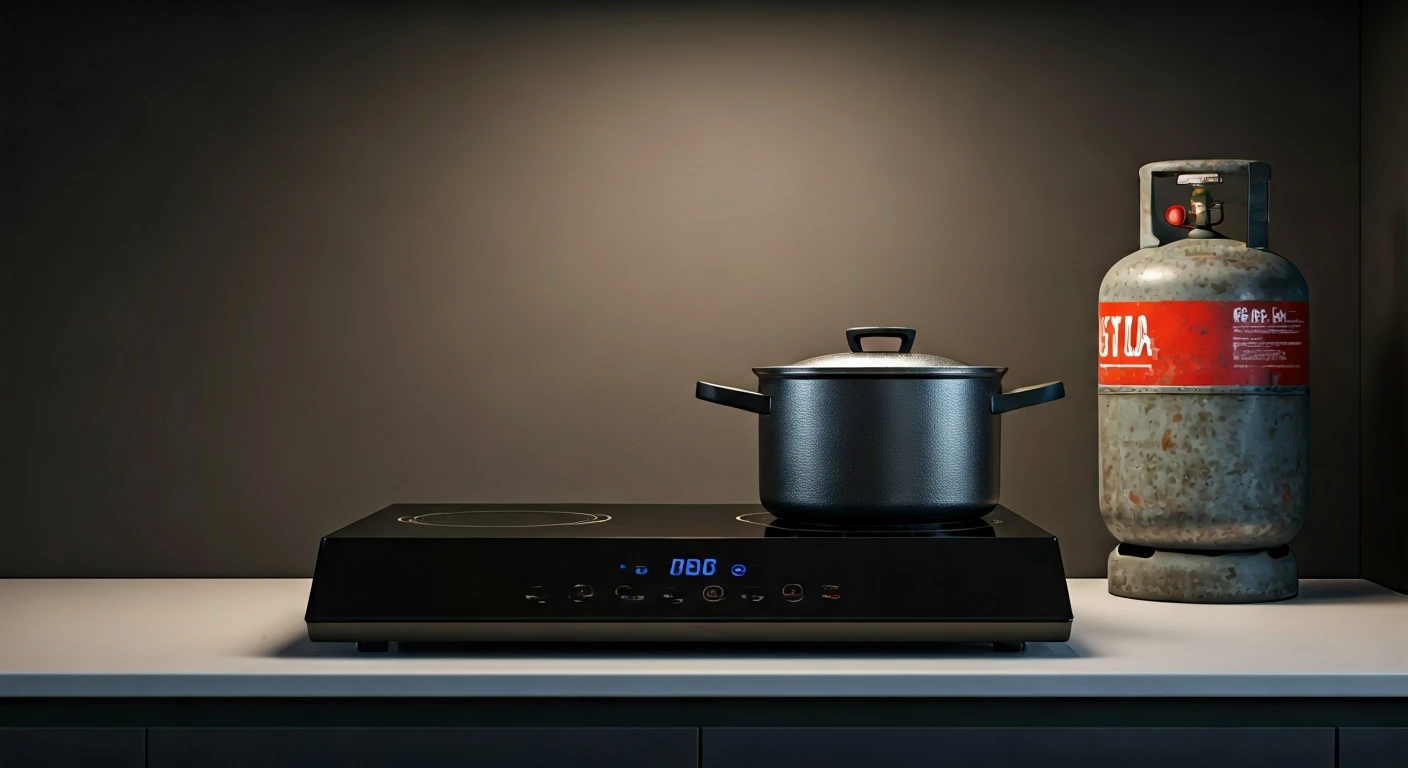
key city areas like Laxmi Road, Aundh, and Hadapsar are witnessing an unprecedented surge in customers seeking these modern cooking solutions. This heightened interest stems directly from the ongoing unpredictability surrounding Liquefied Petroleum Gas (LPG) cylinder availability. Many households, previously reliant solely on LPG, are now proactively acquiring induction stoves as a dependable backup to ensure uninterrupted meal preparation. The typical weekly sales of two to three units have dramatically escalated, with consumers specifically inquiring about induction stoves due to anxieties over delayed LPG cylinder deliveries. This phenomenon underscores a practical pivot towards alternative energy sources for everyday cooking needs in urban Indian households facing supply chain disruptions.
Cookware Boom
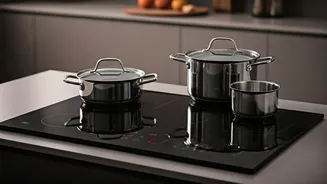
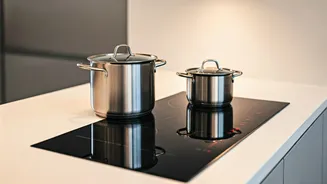
The demand spike for induction cooktops is not an isolated incident; it has significantly boosted the sales of complementary kitchenware. Retailers are observing a parallel increase in the purchase of induction-compatible utensils, including flat-bottomed steel pans, tawas, and pressure cookers. Many consumers who already owned induction cooktops but rarely used them are now returning to buy the necessary vessels to utilize their appliances fully. Previously, customers might have purchased individual pieces, but the current trend sees them opting for complete sets of cookware designed for induction heating. This interconnected demand highlights how a disruption in one area (LPG supply) can catalyze a broader shift in consumer purchasing patterns, encouraging the adoption of a full ecosystem of compatible kitchen tools and appliances.
Dual Fuel Approach
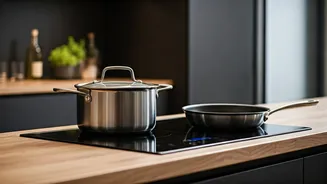
For many Pune households, the integration of induction cooktops is not about completely abandoning LPG but rather adopting a hybrid cooking strategy. Induction stoves are primarily being utilized for basic culinary tasks and boiling, such as preparing tea, heating milk, and operating pressure cookers. This allows for a more efficient use of resources and ensures that essential cooking functions can continue even if an LPG cylinder runs out. Dishes that traditionally require a direct flame, like rotis or dosas, are still being prepared on LPG stoves. This pragmatic approach reflects a growing trend where households are diversifying their cooking methods to build resilience against potential fuel shortages, leveraging the strengths of both induction technology and traditional gas cooking for a more robust kitchen setup.
Adjusting to New Tech
The transition to induction cooking is also impacting domestic workers who manage kitchens in multiple households. Many have had to adapt their cooking techniques to accommodate the new appliances. For instance, a cook working in Salisbury Park shared her experience of having to prepare meals on an induction stove when the gas ran out unexpectedly. While initially finding the process slower and different from her usual methods, she has now become accustomed to it. This adaptation demonstrates the flexibility of kitchen staff in adjusting to evolving household appliances and the necessity of learning new cooking methods when primary fuel sources become unreliable. The widespread adoption of induction cooktops is thus influencing not just the end-users but also the professional cooks who maintain daily kitchen operations.
Online Frenzy
The heightened demand for induction cooktops is not confined to physical retail spaces; it is also creating a significant buzz in the online marketplace. Quick-commerce platforms across Pune are frequently reporting induction cooktops as sold out in various localities. This online rush indicates a widespread and rapid adoption of the technology, driven by the urgency to secure a reliable cooking alternative. Furthermore, the surge has prompted some physical stores to implement advance reservation systems for incoming stock. Customers are proactively contacting retailers to reserve units even before they arrive, highlighting the intense competition for available inventory. This rapid depletion of stock, both online and offline, underscores the pressing need for alternative cooking solutions among Pune's residents.