







The Road to Recovery
Namita Thapar, a prominent figure in the Indian business world and a judge on 'Shark Tank India,' recently opened up about a difficult six-month period
in her life. At 48, she found herself sidelined from her usual fitness routines due to the dual challenges of menopause and a debilitating frozen shoulder. This unexpected hiatus meant abstaining from activities she cherished, including her regular gym sessions, dancing, yoga, and Pilates. In an Instagram post, Thapar described the intensity of her experience, stating, 'Menopause is tough. Last six months, I gave up everything because of my frozen shoulder.' This period of inactivity, though imposed by physical limitations, served as a profound realization about the importance of physical well-being and the necessity of active recovery once her body began to heal. Her return, even at partial recovery, marked a significant personal triumph.
Back in the Gym
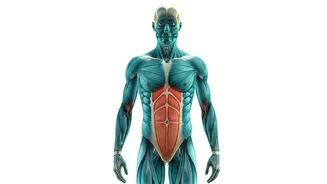
Despite still being only about 50% recovered from her frozen shoulder, Namita Thapar has made a determined return to her fitness regimen, exclaiming, 'But baby, I’m back!' Her current gym sessions are strategically designed to accommodate her shoulder's limitations, allowing her to focus on exercises that target her legs and core without requiring extensive shoulder movement. This deliberate approach underscores a crucial shift in her fitness philosophy: prioritizing the investment in and preservation of muscle mass. She emphasizes that this focus on muscle is paramount, not just for immediate functional strength but as a foundational element for overall health and vitality as she navigates her late 40s and beyond. This phased return highlights a patient and intelligent approach to regaining strength and mobility.
The Science of Muscle Mass
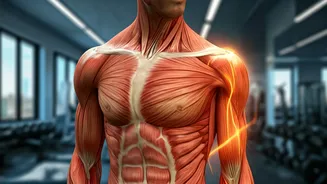
Consultant dietitian and fitness expert Garima Goyal sheds light on the profound significance of muscle mass, especially for individuals in their 40s and 50s. Goyal explains that muscle is far more than just an aesthetic component; it plays a critical role in supporting metabolic health, enhancing insulin sensitivity, and providing essential protection for joints. Furthermore, maintaining robust muscle mass is key to preserving bone density and ensuring the body remains resilient against the natural aging process. For those in their mid-life, preserving lean tissue becomes particularly vital because the body tends to lose muscle naturally over time if it's not actively engaged through resistance training. Thapar's experience reinforces this, as periods of inactivity, particularly due to injury, can lead to muscle loss and a decline in functional strength, making rebuilding a priority when medically feasible.
Rebuilding Strength Smartly
Goyal advises a patient and progressive approach to resuming exercise after a period of inactivity, especially following an injury like Thapar's frozen shoulder. The immediate objective after a break should not be to replicate past performance levels but rather to systematically restore mobility, enhance stability, and gradually re-engage muscles. This involves a carefully planned progressive strength training program, coupled with a diet rich in adequate protein to support muscle repair and growth, and sufficient rest for recovery. This integrated strategy helps the body regain lost muscle mass effectively while significantly reducing the risk of re-injury. Thapar's conscious focus on rebuilding, rather than rushing back, exemplifies this prudent strategy for sustained fitness gains.
Fitness for Longevity
The conversation surrounding exercise has evolved beyond mere weight management or aesthetic concerns. According to Garima Goyal, the modern approach to fitness, particularly for maintaining health and well-being in the long term, centers on the strategic preservation and rebuilding of muscle mass. This perspective frames exercise as an investment in one's future health, ensuring greater metabolic efficiency, prolonged functional independence, and a more robust ability to age healthily. Re-engaging with physical activity after a hiatus, like Namita Thapar's journey, is not simply about returning to a routine; it's a proactive step towards fortifying the body's protective reserves, enabling a more vibrant and capable life for years to come.