






The Fit Paradox
A compelling case recently highlighted the concerning reality that rigorous fitness alone doesn't guarantee heart health. A 37-year-old man, diligently
running 5 km each morning, maintaining a diet free from junk food, abstaining from smoking and alcohol, and adhering to a regular sleep schedule, unexpectedly required two stents due to significant blockages in his major arteries. This situation underscores a critical point often overlooked: external appearances of health, like daily exercise and a clean diet, can mask deeper, underlying risks. The individual's adherence to conventional health advice seemed impeccable, yet his body presented with severe cardiovascular issues, necessitating invasive procedures. This scenario serves as a stark reminder that while lifestyle choices are vital, they are not the sole determinants of cardiac well-being, prompting a closer examination of less obvious contributing factors that can affect even the most health-conscious individuals. The case challenges common assumptions about heart disease prevention, emphasizing the need for a more comprehensive understanding of cardiovascular health.
Genetic & Silent Culprits
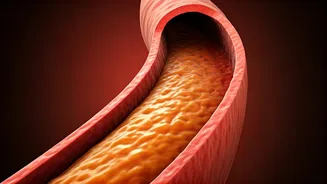
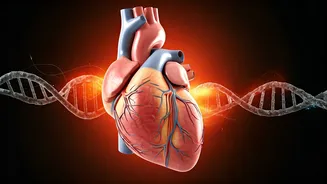
Delving deeper into the reasons behind such alarming health outcomes, experts point towards genetic predispositions and less-common biological markers. A significant factor is family history; if your father or uncle experienced heart problems at an early age, your personal risk can be two to three times higher, irrespective of your current fitness level, weight, or activity. Another critical, yet often unmonitored, element is Lipoprotein(a), or Lp(a). This is described as a particularly dangerous type of cholesterol that is purely genetic and not included in standard lipid profile tests. High levels of Lp(a) can lead to artery clogging even when your LDL ('bad') cholesterol appears normal. This genetic cholesterol particle, Lp(a), can silently advance plaque buildup, posing a substantial risk for premature heart attacks and serious arterial blockages, affecting even young, lean individuals without outward warning signs. Understanding these inherited risks is paramount for a complete cardiovascular assessment.
Stress, Sleep, & Inflammation
Beyond genetics, the modern corporate lifestyle and its associated stressors play a significant role in undermining cardiovascular health, even for those who prioritize physical activity. The act of running 5 km daily, while beneficial, cannot entirely negate the detrimental effects of chronic stress. Elevated stress levels lead to increased adrenaline and blood pressure, contributing to inflammation and the formation of micro-plaque within the arteries. Furthermore, poor sleep quality, often exacerbated by prolonged screen exposure late into the night, imposes metabolic strain on the body. This disruption raises cortisol levels, thickens the blood, and makes existing plaques more unstable. Inflammation itself, measured by markers like CRP, is another silent aggressor. Many individuals who appear physically fit may harbor hidden inflammation that accelerates arterial damage. These factors—stress, inadequate sleep, and inflammation—collectively weaken artery health and contribute to the progression of heart disease, often going undetected by routine checkups.
Advanced Testing for Insight
Given the complexity of cardiovascular health, where factors beyond diet and exercise converge, a more advanced and comprehensive testing approach is recommended, especially for individuals over the age of 25 in India. To gain a deeper understanding of potential risks, experts suggest specific tests that go beyond the standard lipid panel. These include measuring Lipoprotein(a) (Lp(a)) to assess genetic cholesterol risk, and HS-CRP to detect inflammation. Other crucial tests to consider are ApoB, HbA1c, and fasting insulin to evaluate metabolic health and insulin resistance. Additionally, Homocysteine levels can provide insights into artery health, and Vitamin D levels are important for overall well-being. For those experiencing symptoms, a TMT (treadmill test) might be indicated. For individuals above 35, a Coronary Calcium Score can be particularly valuable in identifying early plaque buildup even before symptoms manifest, offering a proactive approach to heart health management.