




The Phantom Beverage
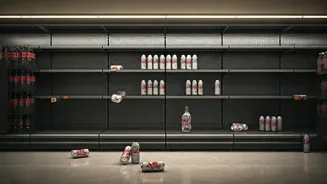
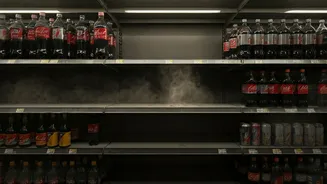
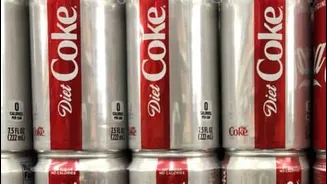
A peculiar absence of Diet Coke is being noted by consumers across India, with reports emerging from metropolitan hubs like Mumbai and Bengaluru, as well
as cities such as Pune, Ahmedabad, and Gurugram. This scarcity isn't confined to physical stores; online grocery platforms are also exhibiting an erratic availability, with stock levels fluctuating rapidly, appearing and then vanishing. This widespread disappearance has left many questioning the availability of their preferred fizzy drink, turning a simple beverage choice into a frustrating hunt for consumers nationwide.
Aluminium's Global Grip
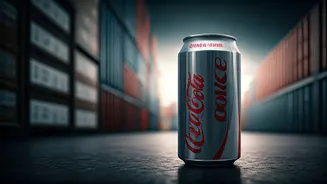
The core of the Diet Coke dilemma in India lies in a global tightening of aluminium supply, a critical component for the beverage's packaging, as it's predominantly sold in cans within the Indian market. This crunch is exacerbated by the ongoing conflict in West Asia, which has had ripple effects on vital shipping routes. Factors contributing to this shortage are multifaceted, including extended shipping delays, significant logistics disruptions, and necessary packaging modifications to comply with India's regulatory standards. The Strait of Hormuz, a crucial artery for global trade, has experienced disruptions due to geopolitical events, impacting the nine percent of the world's aluminium originating from the Gulf region.
Demand Surges, Supply Stalls
Compounding the supply-side challenges, the demand for low- and zero-sugar beverages, with Diet Coke being a prominent player, has surged dramatically. Sales in this category have reportedly doubled over the past year, indicating a growing consumer preference for healthier alternatives. This robust demand is occurring precisely when major can manufacturers, such as Ball Beverage Packaging and Canpack, are operating at maximum capacity and face significant lead times, up to a year, for expanding production lines. This mismatch between escalating demand and constrained supply creates a perfect storm, leaving shelves emptier and consumers increasingly frustrated.
Beyond Soft Drinks
The ripple effects of the aluminium and packaging shortage extend beyond just soft drinks, impacting other industries that rely on similar canning materials. Beer companies, for instance, are also feeling the strain as they depend on the same type of aluminium cans for their products. This demonstrates the interconnectedness of global supply chains and how disruptions in one sector can have far-reaching consequences across various consumer goods markets. The industry's reliance on specific packaging materials means that any bottleneck in their production or availability can quickly escalate into a widespread challenge for multiple beverage categories.
Internet's Take
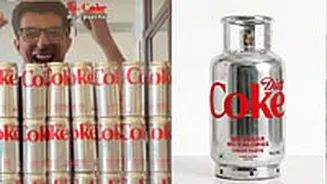
While the scarcity of Diet Coke has caused considerable frustration among dedicated fans, the internet has responded with a wave of humor and memes. Social media platforms like X and Instagram have become a breeding ground for jokes about the shortage, transforming a consumer inconvenience into a viral comedic event. From heartfelt pleas for solidarity among Diet Coke lovers to playful jabs at cities still enjoying availability, users are creatively expressing their reactions. Memes often highlight the absurdity of the situation, with some users humorously suggesting alternative packaging solutions or lamenting their inability to enjoy meals without their favorite drink.
Market Dynamics & Future
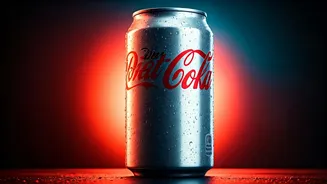
Diet Coke now occupies a pivotal position within Coca-Cola's expanding low- and zero-sugar beverage portfolio. This segment, which also includes beverages like Coke Zero and Thums Up X Force, is projected to represent approximately 30 percent of the company's total sales by 2025, a significant escalation from its mere 5 percent share in 2020. The geopolitical events in the Middle East, including airstrikes on major producers, have further amplified the issue, leading to a sharp increase in aluminium prices, which reached a four-year high of $3,672 per tonne on April 16th. With key shipping routes like the Strait of Hormuz facing effective closures, global exports are hampered, intensifying the pressure on an already fragile supply chain and hinting at continued challenges for availability.