
A Shifting Landscape
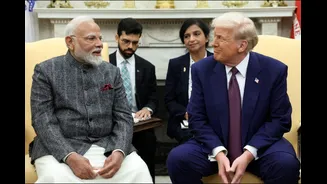
The Indo-US relationship is often a topic of discussion, with nuances added by the arrival of new players. The appointment of Sergio Gor may potentially
bring about changes, leading to a shift in how the two nations interact. Different perspectives and priorities might come into play, potentially affecting policies and collaborations. Historical events, shared interests, and strategic goals have shaped this relationship, and this dynamic background becomes even more complex when new individuals assume important roles. These individuals will play a key role in molding the future direction of the Indo-US relations. The anticipation of any shift in diplomatic approach highlights the ever-evolving nature of international alliances. This continuous evolution requires adaptation and understanding from both nations involved to ensure enduring partnerships.
Key Strategic Priorities
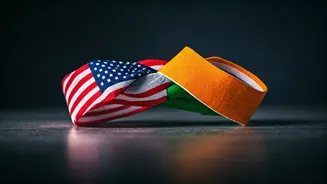
The foundation of a good India-US relationship is built on various strategic priorities. The two countries are often seen working together on counter-terrorism efforts. Strengthening defense ties through joint exercises and equipment sharing is also of great importance. Economic cooperation is a crucial aspect, with trade and investment being key areas. Collaboration in areas like technology, space exploration, and healthcare helps both nations. Addressing climate change and promoting sustainable development are increasingly becoming shared priorities. The presence of shared values of democracy and human rights also help to facilitate these collaborations. These key priorities form a dynamic framework that has the potential to guide the future of India-US relations.
Opportunities and Challenges
The India-US relationship offers ample opportunities alongside the usual challenges. Greater collaboration in areas such as technology, innovation, and clean energy can foster economic growth and create jobs. Enhanced people-to-people connections through educational exchanges, cultural programs, and tourism contribute to mutual understanding. However, there are also a set of challenges. Disagreements on trade policies and tariffs can sometimes strain relations. Differences in approaches to global issues like climate change and regional security require careful management. Finding common ground amidst these diverse interests will be critical for shaping a successful partnership. The capacity to address these challenges proactively will be crucial for the continued strengthening of the India-US ties.
The Road Ahead
The arrival of key figures represents an opportunity to reassess and enhance the current India-US relationships. Sustained dialogue and diplomacy play an important part in resolving any differences, ensuring mutual respect, and identifying shared goals. Promoting more extensive collaboration in sectors such as technology, defense, and sustainable development can bring about benefits for both nations. By concentrating on these common interests, both India and the US can foster a stronger partnership rooted in shared values and strategic interests. Furthermore, adapting to changing global dynamics and maintaining open channels of communication will be essential for navigating the complex international landscape. The path forward requires a balanced approach, encompassing adaptability and a focus on long-term sustainability.