






A Traveler's Astonishment
Rory Porter, a British tourist, recently shared his initial journey on the Delhi Metro via Instagram, capturing widespread attention. His experience on the Blue
Line left him so impressed that he drew a direct comparison, stating it surpassed the well-known London Underground. Porter documented various aspects of his ride, from the initial security checks, which he likened to airport procedures, to the overall comfort and efficiency of the service. He found the network to be exceptionally clean, well-maintained, and modern, offering a stark contrast to some global transit systems he had encountered. His positive remarks quickly resonated with many, sparking discussions about the quality of public transportation in India.
Affordability and Modernity
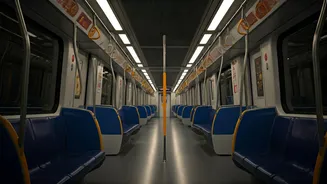
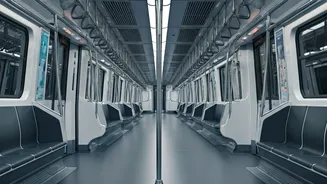
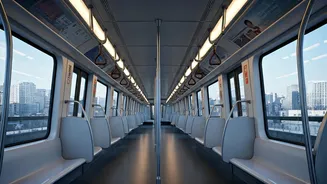
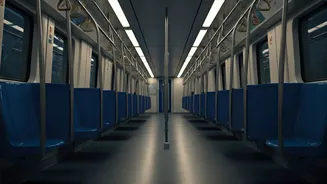
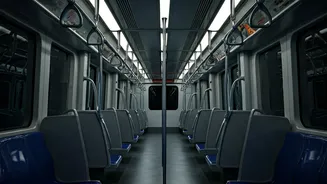
A significant point of Porter's positive review centered on the economic aspect of his Delhi Metro journey. He noted the fare for a half-hour trip was a mere Rs 43, which he translated to approximately 0.35 pounds, deeming it remarkably inexpensive. Beyond the cost, he expressed admiration for the trains themselves, describing the silver-colored metro cars as very good and decidedly modern in appearance. This observation extended to the interior of the coaches, where he emphasized the excellent condition, pleasant ambiance, and ample seating availability. He pointed out that the trains were not excessively crowded, allowing passengers to find seats easily, which contributed to a comfortable and efficient travel experience. His concluding remarks lauded the air-conditioned environment, pristine state, and contemporary feel of the entire system.
Public Reactions and Nuances
Following the viral sharing of Rory Porter's glowing review, the Delhi Metro's social media presence saw a surge of engagement. Many users celebrated his positive feedback, viewing it as a testament to India's developing infrastructure and welcoming nature. One commenter enthusiastically encouraged more visitors to India, highlighting the metro system as an example of the nation's modern amenities and vibrant culture. However, not all responses echoed Porter's unqualified praise. Some users offered a more grounded perspective, suggesting that his experience might differ significantly during peak commuting hours, specifically mentioning the intense rush between 8 a.m. and 9:30 a.m. Concerns were also raised about the lack of medical facilities and restrooms directly within the metro trains. Other users recommended exploring different metro systems, such as the Mumbai underground metro, to gauge a broader spectrum of luxury and commuter experiences in India's urban transport landscape.