




Khichdi's Festive Glory
Khichdi, a simple yet profoundly symbolic dish, takes center stage during Makar Sankranti in many Indian households. Its humble composition – typically
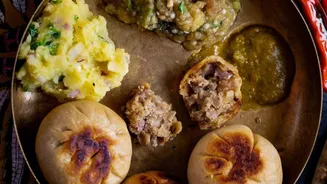
rice and lentils cooked together – represents unity and prosperity. In Bihar and Uttar Pradesh, the variations are as diverse as the communities celebrating. Whether it's the classic version, enriched with vegetables and spices, or regional twists with ingredients like bajra or even the addition of seasonal greens, Khichdi unites families. Families often come together to prepare and share Khichdi, signifying the spirit of togetherness that Makar Sankranti embodies. The dish's easy digestibility also makes it a practical choice during a time of feasting and festive activities, allowing people to enjoy the celebrations without feeling weighed down. In 2026, as in previous years, expect to find Khichdi at the heart of the Makar Sankranti celebrations.
Til Ladoo's Sweet Embrace
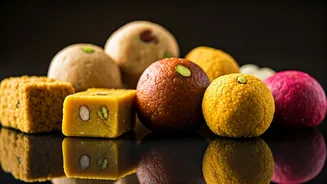
Til Ladoo, the sesame seed sweet, is a quintessential Makar Sankranti treat, especially in Bihar and Uttar Pradesh. These small, round delights are made from sesame seeds (til), jaggery (gur), and sometimes a touch of cardamom or other spices. The sesame seeds are believed to have warming properties, perfect for the winter season, and the jaggery adds a rich, unrefined sweetness. The act of eating Til Ladoo is also symbolic, as the sesame seeds and jaggery are seen as a way of expressing affection and goodwill. These sweets are often shared among friends and family, symbolizing the sweetness of relationships and the hope for a prosperous year ahead. Recipes may vary from home to home and region to region, but the core essence of Til Ladoo—warmth, sweetness, and togetherness—remains constant throughout the celebrations in 2026.
Gur ki Roti's Warmth
Gur ki Roti, a simple flatbread sweetened with jaggery, is another comfort food frequently enjoyed during Makar Sankranti. The roti itself is typically made from wheat flour, and the jaggery is incorporated into the dough or served as a filling. This dish provides warmth and energy during the winter season. The preparation of Gur ki Roti is also often a communal activity, with families and communities coming together to make and share it. It embodies the spirit of sharing and the appreciation of simple, wholesome ingredients. This offering provides a delicious way to enjoy the warmth and sweetness of the festival. In 2026, many households in Bihar and Uttar Pradesh will likely have Gur ki Roti on their festive menus.
The Significance of Daan
Daan, or charitable giving, is a significant part of the Makar Sankranti tradition. Many people donate food items like Khichdi, sesame seeds, and jaggery to the less fortunate. This act of generosity is seen as a way to express gratitude for the harvest and to seek blessings for the future. The spirit of giving extends beyond material donations, as people also offer their time and energy to help those in need. In Bihar and Uttar Pradesh, temples and community centers often organize food drives and distribution programs. The act of Daan emphasizes the values of compassion, empathy, and social responsibility, forming a vital part of the festival's spiritual essence. Charitable activities will certainly be a part of the 2026 celebrations.
Puran Poli's Flavor
Puran Poli, a sweet flatbread made with a filling of cooked lentils (dal) and jaggery, is a cherished part of the festive spread. The filling is flavored with cardamom, nutmeg, and other spices, adding an aroma that fills homes with warmth. The outer layer of the roti is made from wheat flour, and the combination creates a delightful contrast in texture and taste. Puran Poli is not just a dish; it's a labor of love that often requires multiple people working together in the kitchen. In Bihar and Uttar Pradesh, different families may have their unique methods, adding regional touches like the type of lentils used or the spices blended into the filling. The dish represents the shared efforts and the bonds between people.
Chura Dahi's Delight
Chura Dahi, a combination of flattened rice (chura) and yogurt (dahi), is a simple yet satisfying treat popular during Makar Sankranti. The rice is soaked in yogurt, creating a blend of creamy and textured ingredients. Often, additional ingredients such as jaggery, sugar, and fruits (like bananas) are added to enhance the flavor. This light and easily digestible dish are a great way to start the day or enjoy as a snack during the festive period. It's also easy to prepare, making it a favorite for busy households. Its simplicity and refreshing qualities make it a refreshing option in contrast to heavier, richer foods. In the 2026 celebrations, Chura Dahi is likely to be a familiar sight in various households.
Moong Dal Halwa
Moong Dal Halwa, a rich and aromatic dessert, is a favored dish during Makar Sankranti celebrations. It is prepared by slowly cooking ground moong dal (split yellow lentils) with sugar, ghee, and cardamom or other spices. This preparation takes time and patience, as the lentils must be cooked until they reach a soft, melt-in-your-mouth texture. Garnishing with nuts adds a textural contrast and elevates the taste. It's a decadent treat that embodies the festive spirit. Its flavors and the effort put into making it mark a feeling of abundance and indulgence, making it a must-have for the 2026 celebrations.
Gajak's Crispy Crunch
Gajak, a brittle sweet made from sesame seeds and jaggery, brings a satisfying crunch to the table during Makar Sankranti. The sesame seeds are combined with molten jaggery, then pressed into thin sheets, which are cut into squares or rectangles. The result is a combination of nutty flavor and sweetness with a delightful crispness. Gajak is easy to carry and enjoy, making it a popular snack for those attending kite-flying festivals or other outdoor celebrations. Its long shelf life is also a practical advantage. Local markets and sweet shops will be filled with different varieties of gajak, allowing everyone to savor this traditional treat.
Tilkut's Crunchy Sweetness
Tilkut, another sesame-based sweet, is a Makar Sankranti staple that is especially popular in Bihar. It is made by pounding sesame seeds and jaggery together to form a brittle, solid mass. The preparation can vary, but the fundamental ingredients remain the same, creating a treat with a satisfying crunch and a nutty-sweet taste. Tilkut is often given as a gift or shared with loved ones. Its texture and flavor represent the joy and warmth of the festival. Different regions and families might have their own ways to make Tilkut. The preparation and the eating of Tilkut are a way to bond with the family. In 2026, look for Tilkut in every corner of the festive gatherings.
Seasonal Vegetable Dishes
Makar Sankranti is also a time to celebrate the abundance of seasonal vegetables. Dishes made from vegetables like cauliflower, peas, spinach, and sweet potatoes are prepared. These dishes showcase the freshness of the ingredients and provide a nutritious balance to the rich, sweet treats. The use of local and seasonal produce connects the celebration to the earth and the harvest. These recipes bring variation to the menu and provide a balance. From simple stir-fries to more elaborate preparations, the dishes highlight the culinary diversity of the region. The incorporation of fresh produce adds to the overall experience. The food highlights the festive mood and provides options for everyone to partake. The inclusion of seasonal vegetables represents a balance in the food for the 2026 celebrations.