


The Majestic Rhinoceros
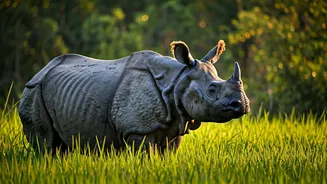
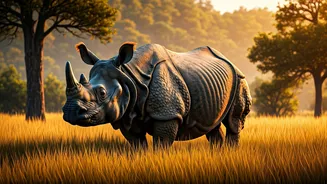
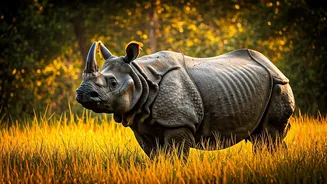
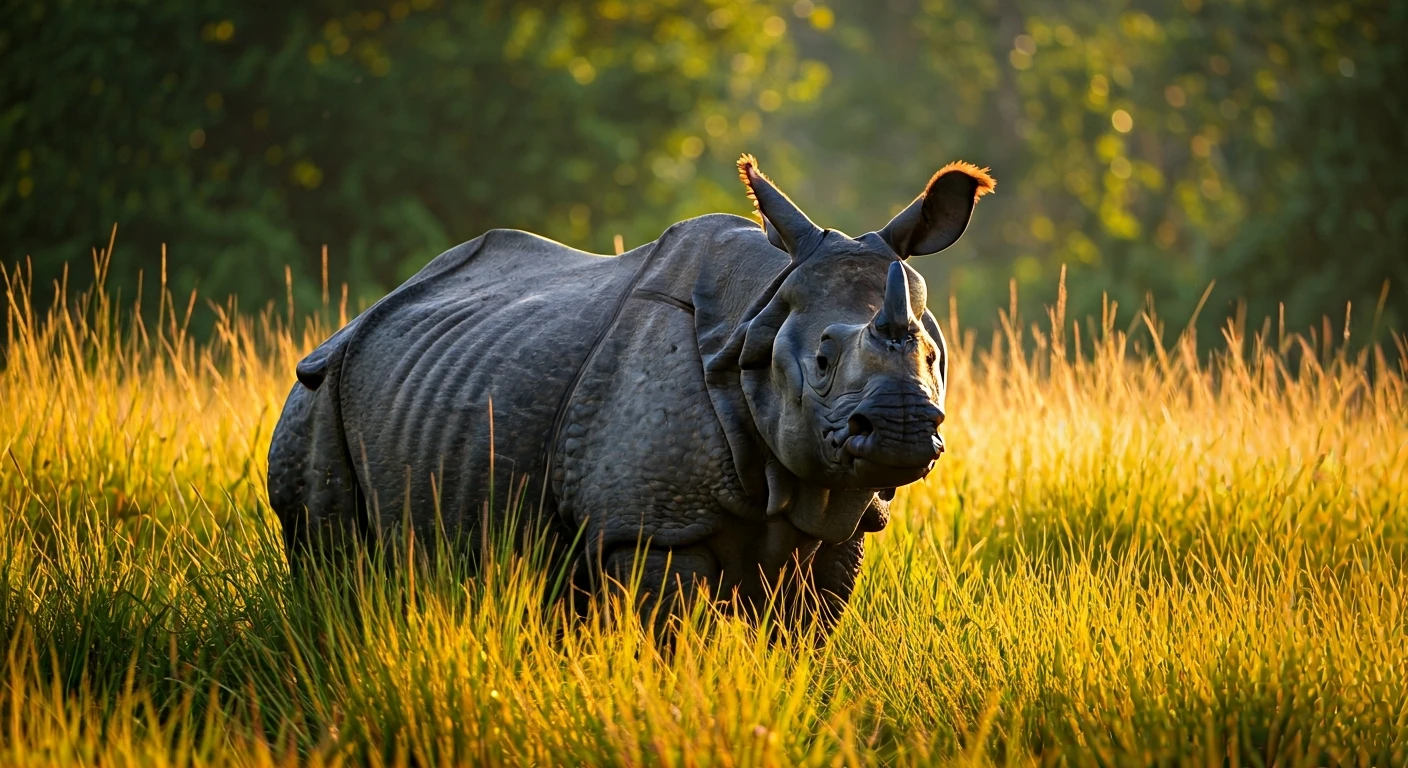
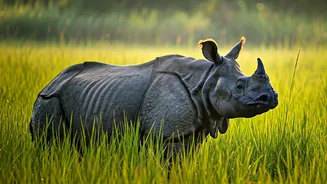
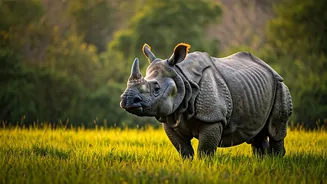
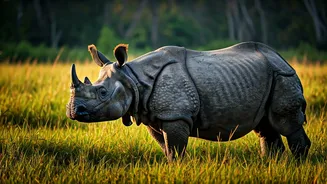
Kaziranga National Park is globally renowned as a sanctuary for the Indian rhinoceros, often called the one-horned rhinoceros. This reserve boasts the world's
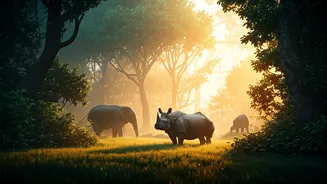
largest population of this vulnerable species, a testament to successful conservation efforts in Assam. These formidable herbivores are a common sight, peacefully grazing in the park's extensive grasslands or found near its numerous water bodies. Their presence is a cornerstone of Kaziranga's ecological significance and a major draw for wildlife enthusiasts hoping to witness these magnificent creatures in their natural environment.
Herds of Elephants
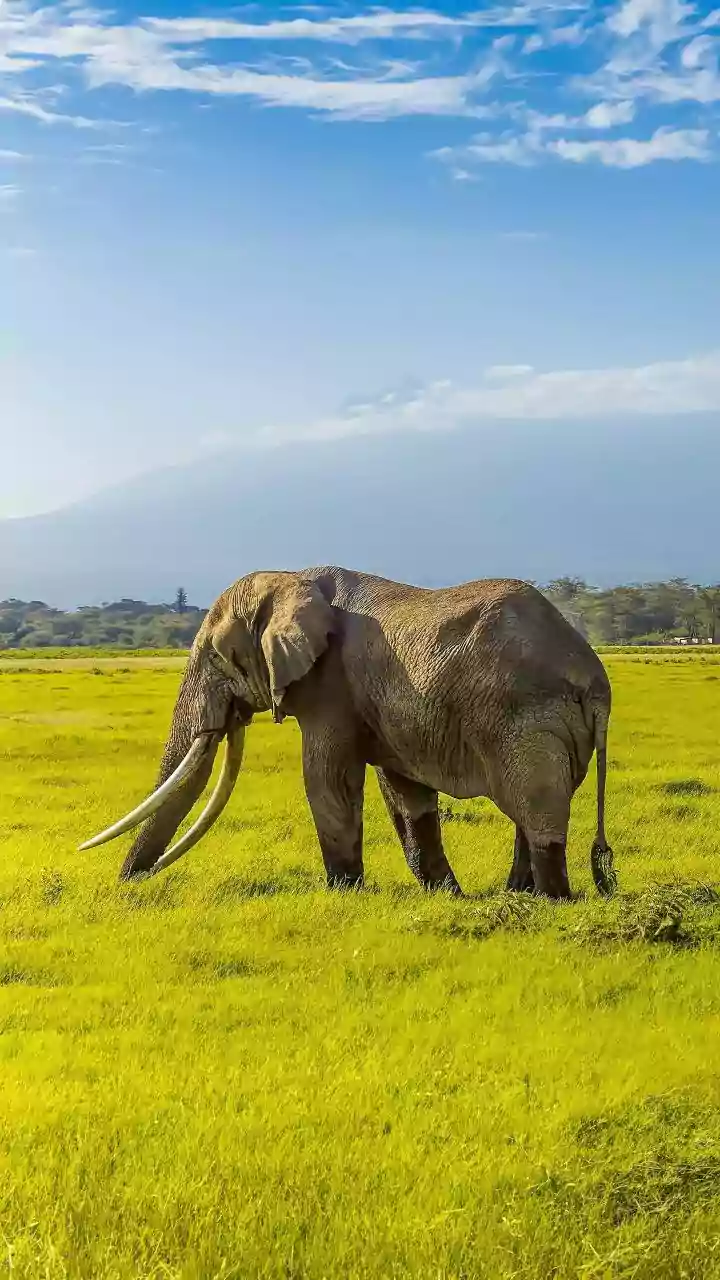
Another captivating spectacle at Kaziranga is the presence of Asian elephants. Large herds frequently traverse the park's diverse landscapes, moving between the sprawling grasslands and denser forest patches. The park is home to a substantial wild elephant population, and these intelligent animals play a crucial role in maintaining the ecosystem. Through their feeding habits, they shape the vegetation, and by dispersing seeds, they contribute to forest regeneration. Observing these gentle giants in their natural habitat is an unforgettable experience during any safari.
The Elusive Bengal Tiger
Kaziranga National Park is recognized for having one of the highest densities of Bengal tigers among all protected areas in India. These powerful predators inhabit the park's dense, tall grass and wooded regions. While sightings are considerably rarer than those of rhinos or elephants due to their stealthy nature, Kaziranga's status as a tiger reserve underscores its importance for the survival of this iconic big cat. The thrill of a potential tiger encounter adds an element of suspense and excitement to the safari experience.
Water Buffalo Magnificence
The wild water buffalo, one of the planet's largest bovine species, is a significant resident of Kaziranga. These powerful animals are frequently observed in the marshy, wetland areas of the park. Kaziranga harbors one of the most crucial populations of this endangered species, making its conservation efforts particularly vital. Their robust presence in the wetter zones of the park contributes to the unique wetland ecosystem and showcases the diversity of large mammals found here.
Graceful Swamp Deer
The eastern swamp deer, also known as Barasingha, thrives particularly well in the wetland and grassland environments of Kaziranga. These elegant deer are easily identifiable by their impressive, multi-tined antlers, a distinctive feature that sets them apart. They are often seen gracefully grazing in the open meadows and along the edges of water bodies, a serene addition to the park's vibrant wildlife tapestry. Their presence highlights the ecological suitability of Kaziranga for specialized deer species.
The Stealthy Leopard
Although more reclusive and harder to spot, the Indian leopard is also a part of Kaziranga's diverse fauna. These adaptable cats tend to favor the park's forested tracts and are most active during the twilight hours of dawn and dusk. Consequently, leopard sightings are relatively infrequent during standard safari timings. However, with patience and a bit of luck, visitors might catch a glimpse of this magnificent, secretive predator moving through its arboreal domain.
Charming Hog Deer
Among the more commonly encountered herbivores in Kaziranga is the charming hog deer. These smaller deer species are distinguishable from their swamp deer counterparts and exhibit a preference for habitats with dense, tall grasses. They are frequently observed foraging near water sources, often in groups. Their widespread presence and relatively approachable nature make them a consistent and delightful sight for visitors exploring the park's grasslands.
The Unique Sloth Bear
Rounding out the list of notable species is the sloth bear, another resident of Kaziranga, though its sightings are less common. These distinctive bears typically reside in the forested areas of the park. Their diet is particularly unique, consisting primarily of insects like termites and ants, along with fruits. The sloth bear's presence adds another layer of fascinating biodiversity to the park, representing a less frequently observed but equally important part of the ecosystem.