







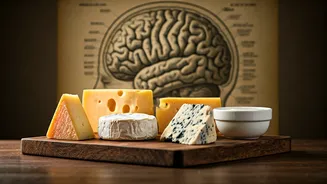
Dairy's Unexpected Brain Link
A significant, long-term investigation conducted in Sweden, following more than 27,000 adults for approximately 25 years, has uncovered a noteworthy association
between dietary habits and the future development of dementia. Researchers observed an intriguing pattern: individuals who frequently incorporated specific full-fat dairy products into their diets seemed to exhibit a lower probability of being diagnosed with dementia. This groundbreaking research, published in December 2025 in the Neurology Journal, challenges some prevailing nutritional advice and opens new avenues for understanding brain health maintenance through diet. The study's design, which carefully tracked participants over an extended period, aimed to minimize biases and provide robust insights into the complex relationship between what we eat and our cognitive well-being as we age. The initial findings point towards a specific category of dairy that may play a protective role.
Cheese and Cream's Cognitive Edge
The study particularly highlighted full-fat cheese as a food item associated with a reduced risk of Alzheimer's disease, specifically for individuals without a known genetic predisposition to the condition. Those who consumed over 50 grams of full-fat cheese daily demonstrated a 13% to 17% lower risk compared to individuals with lower intake. This benefit appeared contingent on the absence of genetic risk factors, suggesting that diet might not completely counteract inherited vulnerabilities. Furthermore, a similar protective trend was observed with full-fat cream; individuals eating more than 20 grams daily saw a 16% to 24% reduction in their overall dementia risk. Interestingly, this effect was not replicated with milk, regardless of fat content, nor with fermented products like yogurt. Low-fat cream also did not show a significant link, underscoring the specific impact of full-fat variants in this context. These detailed findings emphasize the importance of nuanced dietary recommendations.
Navigating Nutritional Advice
These findings initially seem to diverge from the long-standing recommendation to opt for low-fat dairy products, largely promoted for cardiovascular health. However, the connection between heart health and brain health is undeniable, as conditions like hypertension, diabetes, and obesity are recognized risk factors for dementia. It's worth noting that recent research has increasingly questioned the universally negative perception of full-fat dairy. Several studies have indicated that cheese, in particular, does not correlate with an elevated risk of heart disease and may even be linked to lower rates in certain populations. While benefits for heart health are becoming clearer, the extension of these advantages to cognitive function has been a subject of mixed results globally, making this Swedish study particularly significant for its findings on dementia risk.
Study Rigor and Caveats
The researchers behind this study took proactive steps to enhance the reliability of their conclusions and mitigate potential biases. They meticulously excluded participants who already had dementia at the study's outset and conducted follow-up analyses after removing individuals who developed dementia within the initial decade of observation. This methodological approach aimed to prevent early, undetected cognitive decline from influencing dietary reporting. Furthermore, the study acknowledged a correlation between higher consumption of full-fat cheese and cream and generally healthier lifestyles. These individuals often possessed higher educational attainment, were less likely to be overweight, and had lower incidences of heart disease, diabetes, and high blood pressure—all independent factors known to reduce dementia risk. This multifaceted consideration is crucial for a comprehensive understanding of the study's outcomes.