







The Posture Problem
Many individuals find themselves perplexed by a persistent lower abdominal bulge, even when adhering to stringent fitness routines and healthy eating habits.
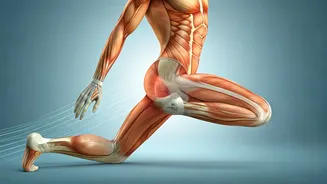
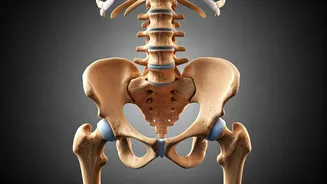
This scenario often leads to the assumption that the issue stems from excess body fat or a sluggish metabolism, prompting further strenuous workouts and restrictive diets, often to no avail. However, a fitness coach named Julie Capozziello suggests that the root cause may not be fat at all, but rather a common postural imbalance known as anterior pelvic tilt. This condition disrupts the natural alignment of the pelvis, spine, and core muscles, creating the illusion of a more prominent abdomen and sometimes contributing to discomfort in the lower back. The modern lifestyle, characterized by extended periods of sitting, is a primary culprit in developing this imbalance, as it leads to the tightening of hip flexor muscles. These tight hip flexors then exert a forward pull on the pelvis, exaggerating the natural curve of the lower back and pushing the abdomen outward. While this might be mistaken for weight gain, it's often a structural issue, though it can occasionally coexist with actual body fat.
Fixing Anterior Pelvic Tilt
To counteract the effects of anterior pelvic tilt, Julie Capozziello has outlined a series of five targeted corrective exercises designed to gently guide the pelvis back into a neutral, balanced position. These movements, which do not require any specialized gym equipment, focus on rehabilitating the core musculature, enhancing the mobility of the hip joints, and reducing any excessive arching in the lower spine. The recommended exercises include quadruped pelvic tilts, deadbug toe taps, bear hold toe taps, hip CARs (Controlled Articular Rotations), and the 'happy baby' stretch. The principle behind these exercises is to retrain the body's awareness and muscle activation patterns. Importantly, achieving lasting improvement extends beyond these specific workout sessions. Sustainable correction involves integrating mindful posture adjustments into daily life, whether sitting, standing, or walking. Simple yet effective techniques, such as consciously tucking the pelvis under, bringing the rib cage down, and rolling the shoulders back and then down, can significantly contribute to correcting the tilt over time.
Identifying the Cause
Distinguishing whether your lower belly protrusion is primarily due to anterior pelvic tilt or excess body fat involves observing how your abdomen presents itself, rather than simply measuring its size. With anterior pelvic tilt, the lower abdomen often appears to jut forward, even in individuals who are otherwise lean. The waistline may exhibit a pronounced arch, appearing less relaxed. A straightforward method for self-assessment involves standing sideways in front of a mirror and examining the curvature of your lower back. An exaggerated arch, coupled with a visibly forward-tilted pelvis, strongly indicates the presence of anterior pelvic tilt. Furthermore, persistent tightness in the front of the hips and lower back, along with difficulties in effectively engaging the abdominal muscles, are common indicators. If you notice that your belly flattens somewhat when you consciously tuck your pelvis and activate your abdominal muscles, it's a good sign that posture, rather than accumulated fat, is the main contributor to the bulge.
The Impact of Sitting
Prolonged periods of sitting have a profound and detrimental effect on hip flexors, gluteal muscles, and overall spinal alignment, directly contributing to anterior pelvic tilt. When you sit for extended durations, your hips are held in a consistently flexed state. Over time, the muscles at the front of your hips, known as hip flexors, adapt to this position by shortening. Concurrently, your gluteal muscles, which are designed to extend the hips and stabilize the pelvis, become less active and weaker. This muscular imbalance creates a scenario where the hip flexors pull the pelvis forward, thereby increasing the arch in the lower back. Beyond muscular changes, prolonged sitting also limits the natural, dynamic movement of the spine, which is crucial for maintaining good posture. This inactivity weakens the deep core stabilizing muscles that are essential for postural support. These detrimental changes can manifest quite rapidly; for some individuals, noticeable stiffness and postural deviations can emerge within just a few weeks of sustained sitting, particularly if they lead a largely sedentary lifestyle outside of work. Over several months, this aberrant posture can become ingrained and accepted by the body as its 'normal' position.