



The BCCI has issued a directive requiring centrally contracted players to participate in domestic cricket whenever they are not on national duty. Under
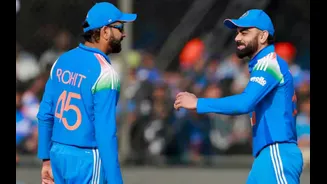
this policy, both Rohit Sharmaand Virat Kohli are expected to turn out in the 2026-27 Vijay Hazare Trophy, representing Mumbai and Delhi respectively, as India builds towards the 2027 ODI World Cup. The tournament is scheduled to get underway in December 2026.
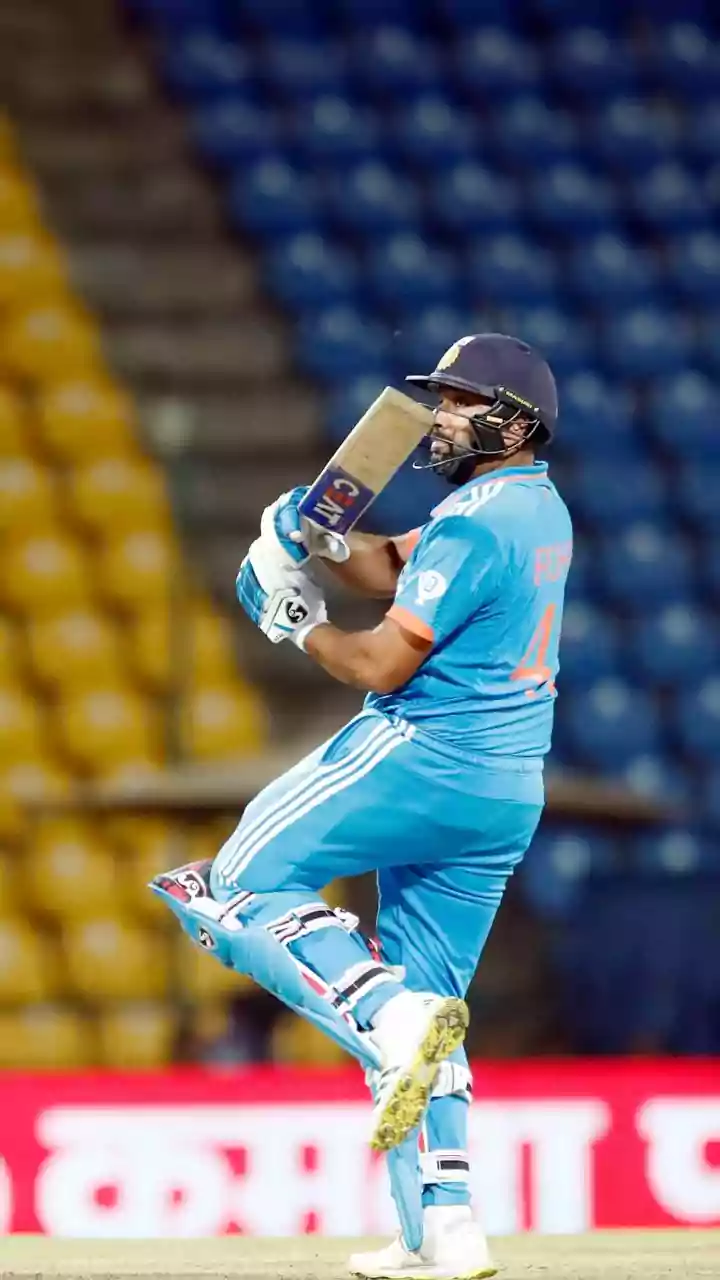
Rohit has already communicated his availability to the Mumbai Cricket Association, confirming he will be ready to play from December 24. His participation follows a clear signal from the BCCI that senior players who sit out domestic competitions risk being overlooked during the ODI selection process ahead of the 2027 World Cup. He is expected to appear in select rounds of the 50-over competition.
Kohli's situation is less straightforward. DDCA President Rohan Jaitley has indicated that Kohli will be available for Delhi, though his participation remains subject to international workload management. No final confirmation has been issued at this stage, and uncertainty persists over whether he will feature throughout the tournament or only in specific matches.
What does the BCCI directive mean for senior players?
Before this directive, senior India players routinely skipped domestic tournaments during gaps in the international calendar without any formal consequence for their selection prospects. The new policy changes that position entirely. Centrally contracted players are now required to stay active in domestic cricket during those windows, and the BCCI has made it explicit that compliance will be weighed when ODI squads are assembled for the 2027 World Cup cycle.
For Rohit and Kohli, this means the Vijay Hazare Trophy is no longer an optional engagement. The directive places domestic availability on the same level of importance as international performance when selectors assess a player's readiness and commitment to the 50-over format. Both men are among India's most senior centrally contracted players, which means the policy applies to them directly and with full force from the moment the 2026-27 tournament begins.
The practical implication is significant. A player of Rohit's standing who confirms availability and turns out for Mumbai sends a clear message to the selection panel about his intent to remain part of the ODI setup. Equally, any prolonged absence by Kohli from the Delhi squad, even if explained by workload considerations, will now be scrutinised more closely than it would have been under the previous, more informal arrangement.
How did Rohit and Kohli perform in the previous Vijay Hazare Trophy?
Both players produced outstanding innings on December 25, 2025, the opening day of the most recent Vijay Hazare Trophy. Rohit struck 155 off 94 balls for Mumbai against Sikkim, a dominant List A knock that underlined his continued appetite for the format. On the same day, Kohli scored 131 off 101 balls for Delhi against Andhra Pradesh, guiding his side to a successful chase in that fixture.
Those knocks demonstrated that neither player has lost his capacity to perform at the highest domestic level. With the 2027 ODI World Cup now a firm target on the horizon, repeating that kind of output in the 2026-27 edition of the tournament will carry genuine selection weight for both men. The BCCI directive ensures that opportunities to produce such performances will no longer be passed over without consequence.