

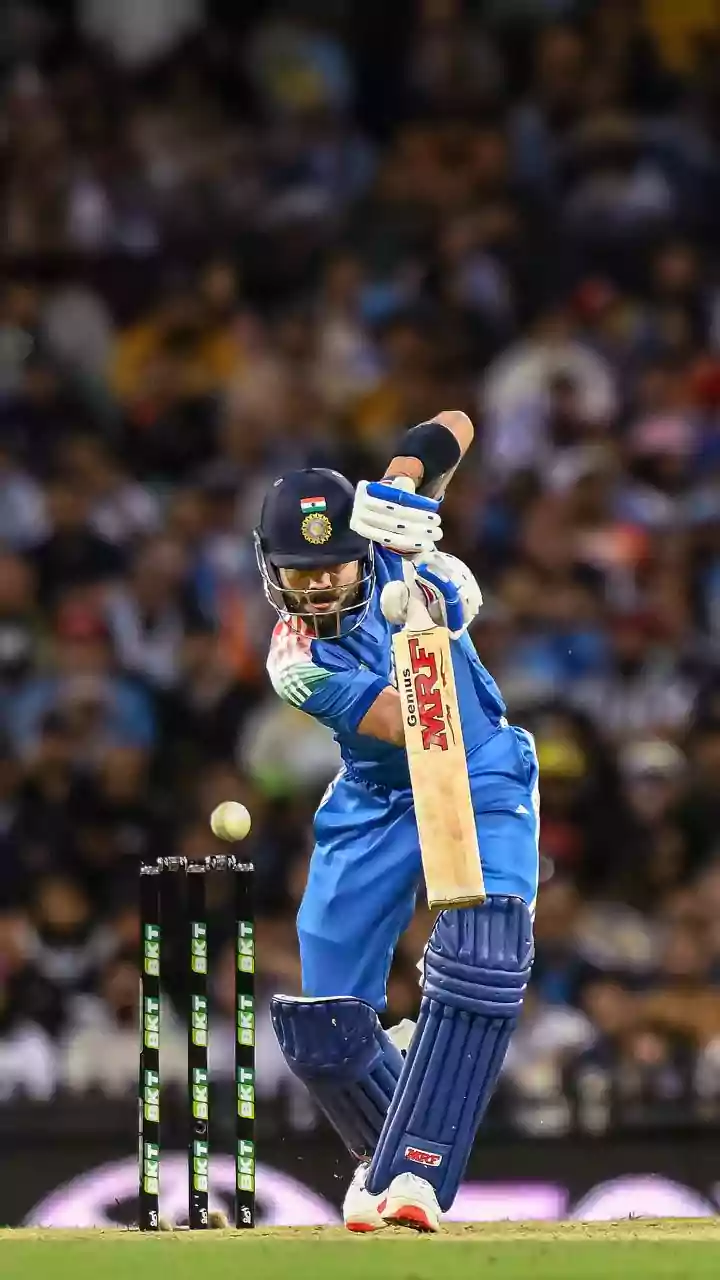
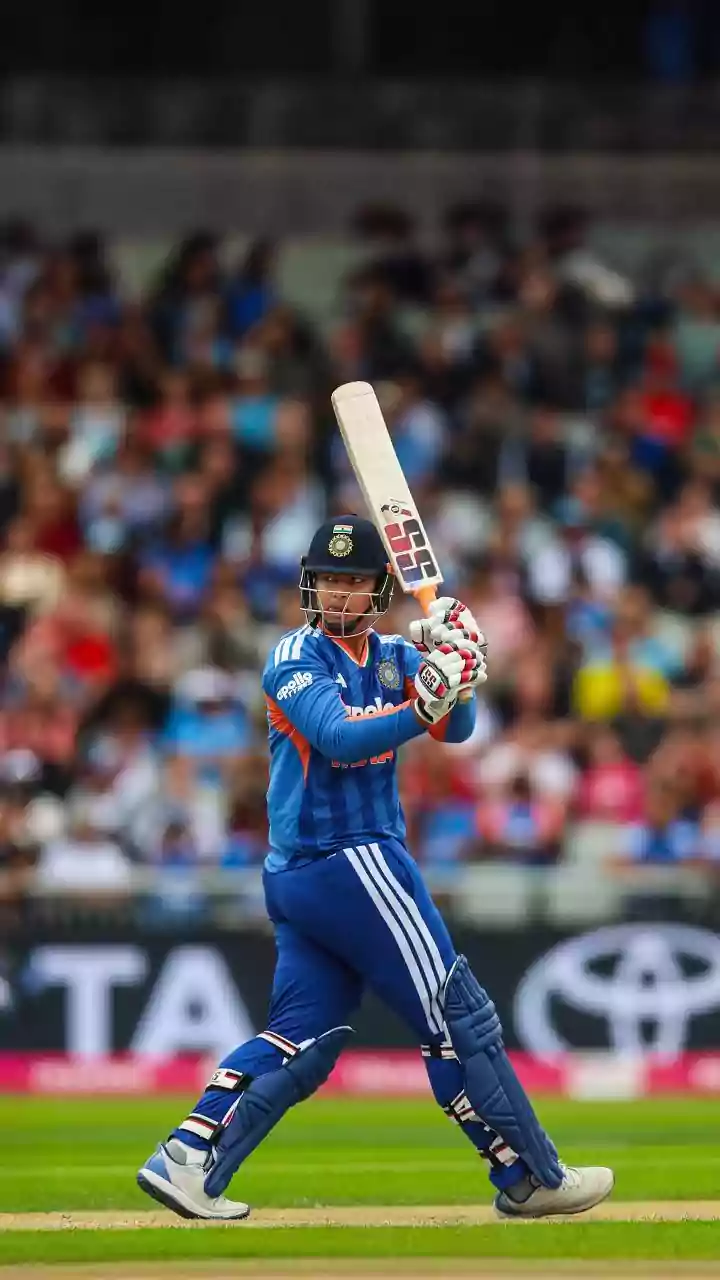





England are 1-0 up in the five-match T20I series, and India would want to bounce back strongly with three games to play. After the first T20I was washed
out, the second one was won by England by four wickets.
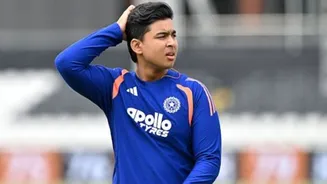
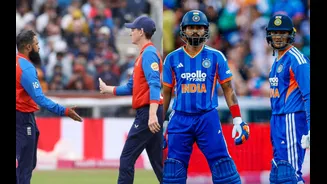
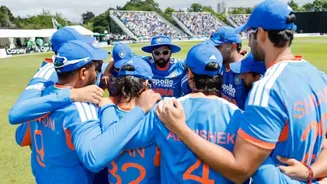
Now, the two cricketing giants will square off in the important third T20I at Trent Bridge in Nottingham on Tuesday, July 7. After winning the T20 World Cup earlier this year, India have not been able to register a win in the two matches they played in Ireland and the last one against England. Shreyas Iyer would be hoping to win his first game for India since taking over as India's captain in the shortest format, replacing Suryakumar Yadav.
Here are 3 changes India should make to win 3rd T20I vs England:
3. Sort the batting order, give clear roles
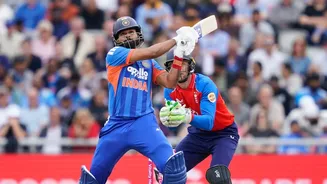
India have frequently made changes to the middle and lower order in the last few games. The likes of Tilak Varma, Shivam Dube, and Axar Patel have moved up and down in the batting order. While the T20 format demands flexibility, it will be important for the Gautam Gambhir-led Indian team management not to overdo things as this might not be ideal for the players as they constantly have to alter their game according to the positions they are batting in.
2. Change bowling combination
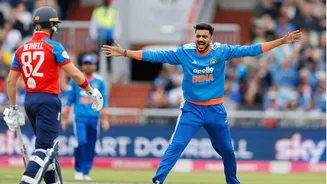
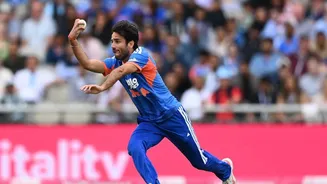
India were playing with just one spinner in Ireland and that was all-rounder Axar Patel. However, in similar conditions in England, the Men in Blue surprisingly picked two specialist spinners in Varun Charkaravarthy and Ravi Bishnoi and the move backfired. The latter was particulary disappointing in the second T20I against England, having conceded 60 runs in four overs, including three back-foot no-balls. Bishnoi could make way for either Prince Yadav or Suryansh Shedge. Having more fast bowlers in the team will allow Shreyas Iyer more options.
1. Better strike rotation through the middle overs
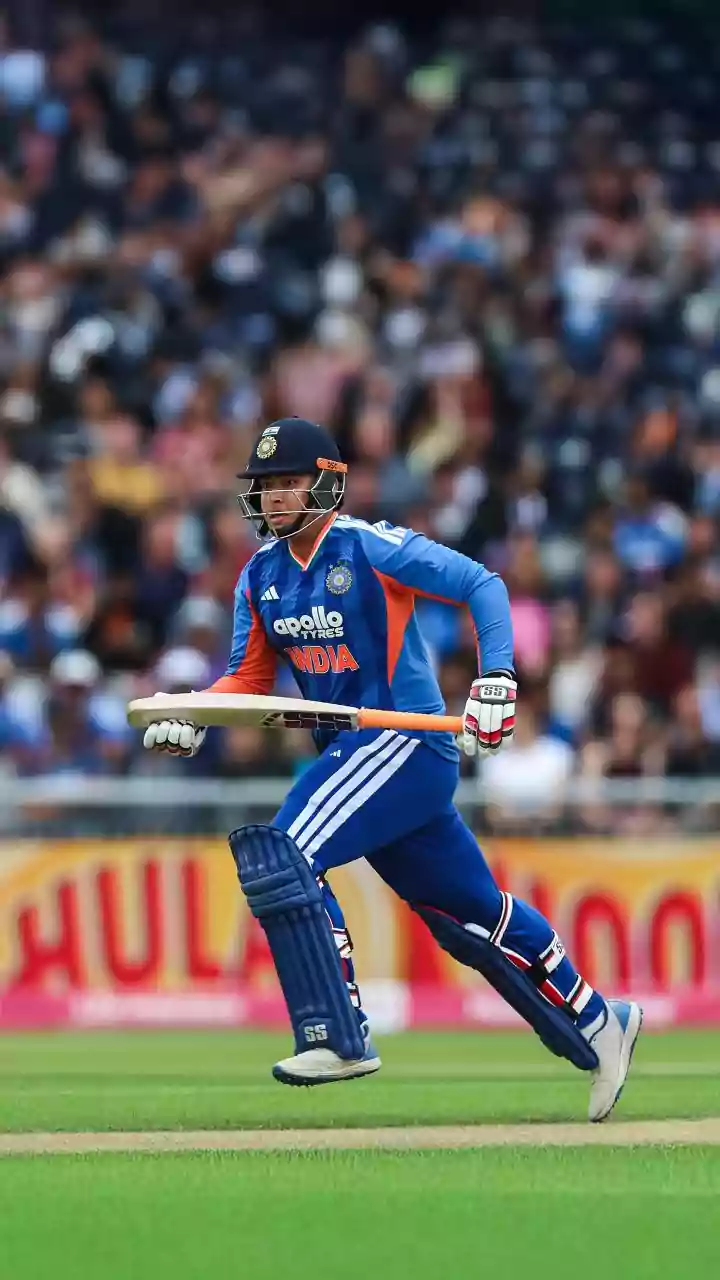
It will be important for the Indian batters to rotate strike better, especially through the middle overs. While Ishan Kishan scored 49 runs during his knock, it came off 40 balls at a strike rate of 122.50, which is not something surreal in mordern-day cricket. The Indian middle-order will have to devise plans of rotating strike and putting the opposition fielders under pressure, looking to convert one's into two's and two's into threes.