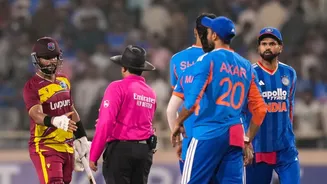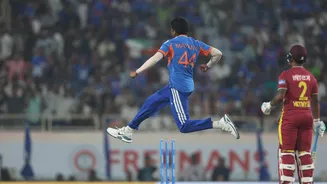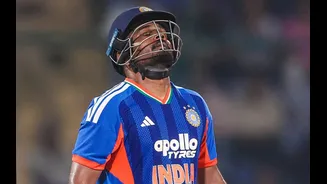





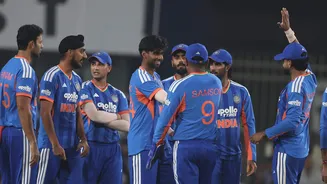
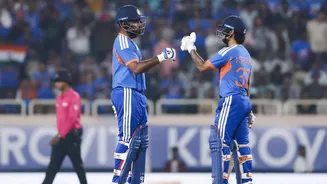
India suffered a six-wicket defeat in the 2nd T20I at the JSCA International Stadium Complex in Ranchi on October 9, 2026. West Indies chased down 250
in just 18.3 overs, finishing at 252/4 to level the five-match series 1-1.
Despite posting 249/5 in their 20 overs, India's bowlers and batters both showed areas that need attention before the 3rd T20I.
Here are three things the Indian side must address:
1. Bowling execution and death-over planning
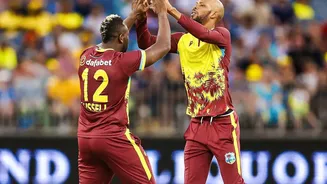
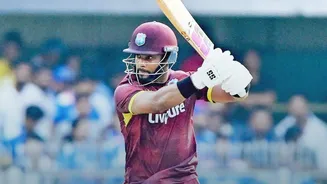
India's bowling attack took two wickets in the very first over of the West Indies chase, reducing the visitors to 58/3 inside six overs. However, Shai Hope and Sherfane Rutherford then added 120 runs together to turn the match completely around. Hope finished unbeaten on 102 off 45 balls while Rutherford contributed 84 off 37 balls. Mayank Yadav was the pick of the bowlers with 3/36 in three overs, but Kuldeep Yadav conceded 53 runs in four overs for just one wicket and no other bowler took a wicket.
India also bowled four overs of spin in what turned out to be the final five overs of the match. Head coach Gautam Gambhir acknowledged that the team needs to find ways to defend large totals regardless of playing conditions. With dew likely to remain a factor in night matches, India's bowlers will need to vary their lengths and lines more effectively to prevent batters from timing the ball so freely.
2. Middle-order approach against spin
Roston Chase bowled four disciplined overs and returned figures of 3/24, dismissing Abhishek Sharma, Ishan Kishan and Shivam Dube. His control through the middle overs restricted India's scoring at a phase when the innings needed acceleration. Shivam Dube batted at No. 4 and managed only 7 off 10 balls at a strike rate of 70.00 before being bowled by Chase in the 13.3rd over.
Shreyas Iyer, who had scored a century in the 1st T20I, came in at No. 5 and struck 40 off 18 balls but arrived only at the fall of the fourth wicket in the 14.3rd over. The batting order and the approach against quality spin in the middle overs are areas India will need to reconsider. Gambhir indicated the team intends to keep its batting lineup flexible, but the combination must produce more runs during the crucial middle phase.
3. Converting starts into match-defining innings
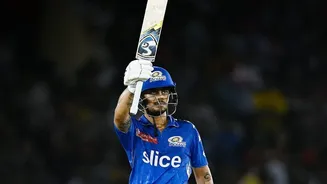
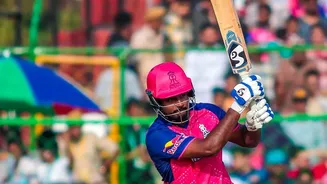
India's top order gave the side a solid platform. Sanju Samson top-scored with 82 off 41 balls at a strike rate of 200.00, Ishan Kishanmade 43 off 22 balls and Abhishek Sharma contributed 20 off 12 balls. However, none of those three batters converted their starts into a longer innings. Samson fell as the fourth wicket at 162 in the 14.3rd over, Kishan departed as the second wicket at 139 in the 11.1st over and Abhishek was the first wicket to fall at 42 in the 3.6th over.
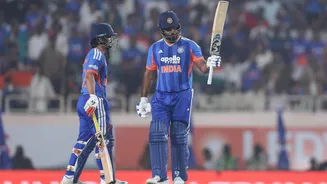
Tilak Varma was the only batter to remain unbeaten, finishing on 44 off 18 balls. India's run rate of 12.45 produced a total of 249/5, yet West Indies still surpassed it with nine balls remaining. Had one or two of those early batters batted deeper into the innings, India's total could have been beyond West Indies' reach.
The 3rd T20I gives India an opportunity to retake the lead in the series. Addressing bowling execution, middle-order strategy and the conversion of starts will be key to bouncing back.