





Decoding M87's Jet
Astronomers utilized advanced techniques to solve the mystery surrounding M87's enormous space jet. This jet, emanating from the galaxy M87, is one of
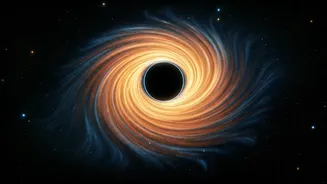
the most prominent features observed in the universe. Scientists employed various methods, including radio waves, X-rays, and optical light, to study this jet and analyze its structure and behavior. They observed and analyzed the jet's properties, such as its speed, composition, and direction. This data helped them determine the jet's origin and the mechanism that powers it. Through extensive research, it was determined that the jet is powered by a supermassive black hole at the galaxy's core. The black hole pulls in surrounding matter, which forms a disk that gets heated, causing the jet's powerful emission.
Black Hole Genesis
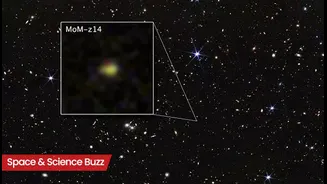
The James Webb Space Telescope (JWST) has played a crucial role in unveiling the origins of the universe's first supermassive black holes. JWST's capacity to observe the earliest galaxies and their central black holes has given researchers unprecedented insights. The telescope's infrared capabilities have facilitated the study of these distant objects, allowing scientists to see through the cosmic dust. Observations and data collected by the JWST have enabled astronomers to trace the development of supermassive black holes from the early universe. The telescope has offered precise details about the growth of these black holes, including how they have grown and interacted with their surrounding galaxies over billions of years. This new information allows us to understand how these cosmic giants formed and evolved.
Instrumental Insights
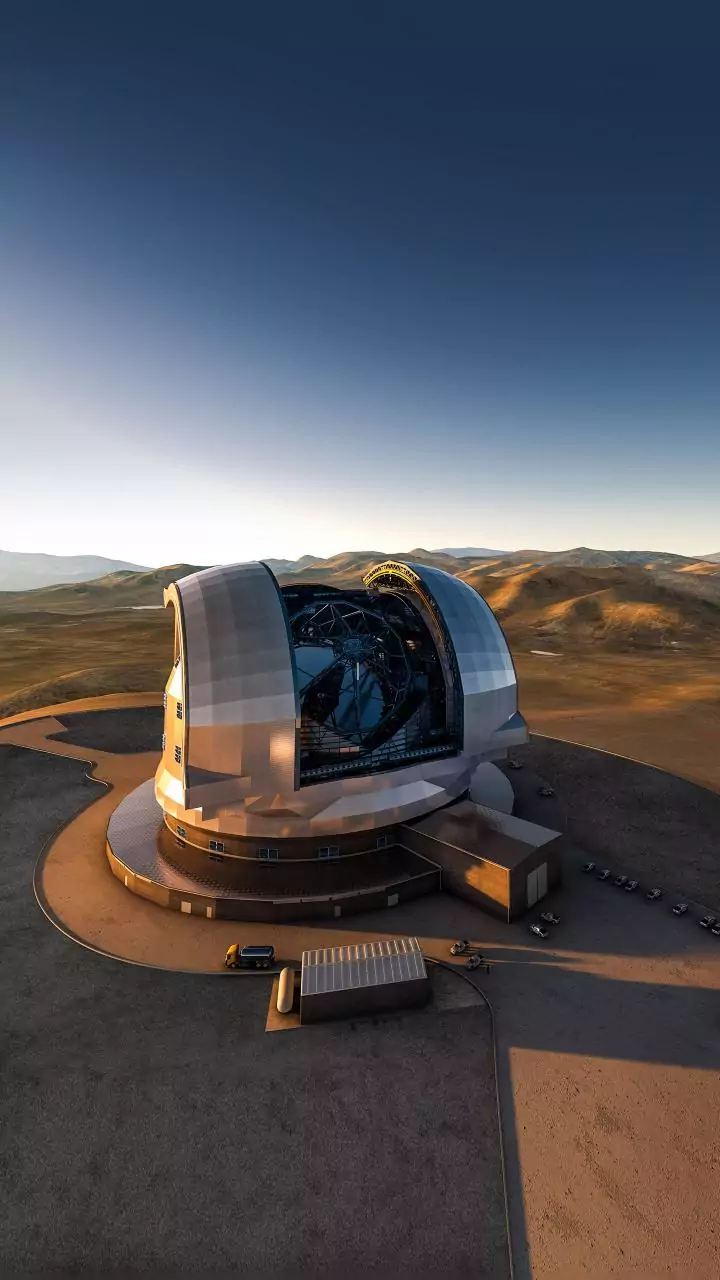
Various scientific instruments and telescopes have contributed to these groundbreaking discoveries. The Event Horizon Telescope (EHT) played a key role in capturing the first-ever image of a black hole, specifically the supermassive black hole at the center of M87. The data obtained from the EHT allowed scientists to investigate the jet's structure and activity with precision. The James Webb Space Telescope (JWST), on the other hand, provides unmatched observations of the early universe, allowing researchers to study the formation and evolution of the first galaxies and their central black holes. Different types of telescopes, including space-based and ground-based observatories, work in tandem to explore the universe and obtain different types of data. These advanced tools offer a deeper comprehension of cosmic phenomena, shaping the scientific understanding of the universe.
Future Discoveries
Future research in this field promises to provide even more profound insights into the universe's mysteries. With the James Webb Space Telescope and other sophisticated instruments, scientists are continuously working to analyze black holes and space jets. Further observation and analysis of these phenomena will lead to advancements in our understanding of how galaxies evolve. Astronomers are looking to study the intricate relationship between black holes and galaxies, which may reveal how these cosmic structures affect each other. This research is also expected to offer a detailed understanding of the nature of dark matter and dark energy, providing insights into the structure and evolution of the universe.