





Millet Kitchen Training
In a focused training environment located in Pendurthi, Visakhapatnam, a cohort of thirty women are actively engaged in learning the art of millet-based
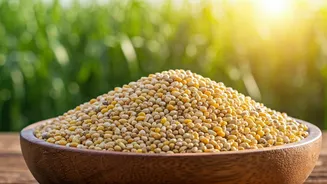
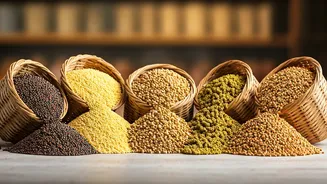
food preparation. Their attention is fully captured as they observe the meticulous process of ingredient measurement and mixing. The session involves transforming jowar powder and moong dal flour into a pliable dough, which is then shaped into fine noodles, steamed, and finally enhanced with the aromatic addition of curry leaves and roasted peanuts. Simultaneously, on adjacent workstations, participants are experimenting with the versatility of millets, creating a chilled ragi beverage from fermented porridge and a unique cold coffee variation. Another trainee, hailing from Srikakulam, adeptly combines cooked foxtail millet with a vibrant mix of fresh ingredients like cucumber, onion, mint, tomato, raw mango, and pomegranate seeds, finishing the dish with a zesty dressing of lemon and ginger juice, sunflower seeds, and a generous seasoning of peanut podi. Guiding these culinary explorations is nutritionist Himanshu Kapoor, who provides instruction with both scientific precision and a deep appreciation for traditional food practices.
Farm-to-Market Linkages
The initiative in Andhra Pradesh goes beyond mere culinary training; it establishes robust connections that form the backbone of these burgeoning women-led enterprises. By integrating farms, kitchens, and local marketplaces, the program ensures a continuous and efficient supply chain. Farmers benefit from a stable demand for their millet crops, while the women entrepreneurs gain access to fresh, locally sourced ingredients. This synergy directly translates into viable economic opportunities, creating self-sustaining livelihoods within communities. The program effectively bridges the gap between agricultural production and consumer demand, fostering economic growth at the grassroots level and promoting food security.
Entrepreneurial Empowerment
This comprehensive approach in Andhra Pradesh is significantly contributing to the economic empowerment of women, transforming them into successful entrepreneurs. The training and market linkages provided empower them to establish and manage their own businesses, thereby gaining financial independence and enhancing their social standing. The focus on millet-based products taps into a growing demand for healthy and sustainable food options, positioning these enterprises for long-term success. The initiative fosters a spirit of self-reliance and innovation among the participants, encouraging them to explore new product development and expand their market reach, ultimately contributing to the broader economic landscape of the state.