








IMAX: A Unique Experience
IMAX has carved a unique niche within the film industry, setting itself apart from standard cinematic presentations. It's more than just a large screen;
it's a complete experience, encompassing specialized cameras, film stock, projectors, and even unique theater designs. One of the key differentiators lies in its aspect ratio. While conventional movies often adopt a wider format, IMAX embraces a taller aspect ratio. This allows for a greater portion of the image to fill the screen, particularly during scenes shot specifically for the format. This immersion can intensify the viewer's engagement, pulling them deeper into the narrative. The distinctness of IMAX also extends to the production process. Filmmakers frequently employ specialized IMAX cameras to capture scenes, ensuring the highest image quality. These cameras are engineered to render exceptionally detailed images, offering a level of clarity and visual depth unmatched by standard equipment. In the projection stage, IMAX theaters utilize powerful projectors and enhanced sound systems to deliver an impressive experience that aims to fully captivate the audience.
Capturing Cinematic Magic
The art of capturing cinematic experiences with IMAX is an intricate process, employing unique tools and techniques. Specialized IMAX cameras are essential, allowing filmmakers to record images with significantly increased resolution and detail. These cameras, built to withstand the rigorous demands of filming, provide the ability to capture wider shots with remarkable clarity. The film stock used in IMAX is another critical element. Its size and composition are designed to handle the massive amount of information captured, preventing any loss of quality during filming and projection. The production stage often involves meticulous planning. Filmmakers carefully choose scenes to be shot in the IMAX format, selecting those that will benefit the most from its immersive capabilities. This targeted approach allows them to maximize the impact of the technology, ensuring that key moments in the film are presented with unparalleled visual power. Post-production is also significant, with teams working to optimize the footage for IMAX theaters. Adjustments are made to ensure that the image retains its sharpness and clarity even on the enormous screens.
IMAX's Projection Process
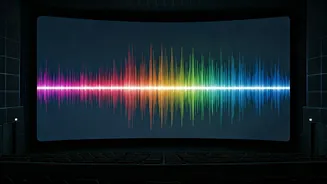
The presentation of films in IMAX theaters distinguishes itself through the projection process, which is designed to provide an unparalleled cinematic experience. At the heart of this process are high-powered projectors, engineered to display images of exceptional brightness and clarity on oversized screens. These projectors are capable of delivering a vivid and immersive visual experience that surpasses what is possible with standard projection systems. The screens are also crucial, often constructed from a special material that enhances image reflection and minimizes light loss. This ensures that the images appear bright and sharp, no matter where the viewer is seated within the theater. The sound system plays an equally important role, creating a highly immersive experience. IMAX theaters are equipped with advanced sound systems, carefully calibrated to provide clear and directional audio. This not only enhances the dialogue but also contributes to the immersive feeling that has become synonymous with the IMAX experience. The integration of all elements – the specialized cameras, film stock, projectors, screens, and sound systems – combine to give the immersive cinematic experience.
Enhancing Dialogue Clarity
Christopher Nolan's approach with 'The Odyssey' underscores IMAX’s commitment to improving the viewer’s auditory experience. Enhanced technology aims to amplify the clarity of dialogue, addressing a common challenge in large-format cinematic presentations. This enhancement is particularly critical for action-packed scenes, where sound design can sometimes overshadow spoken words. The goal is to ensure that audiences can understand every spoken word, allowing them to engage with the narrative more completely. This clarity is achieved through innovations in sound mixing and playback technology, designed to minimize ambient noise and to isolate and amplify the dialogue. This focus on clear dialogue demonstrates a greater understanding of how critical audio is to narrative. The intent to provide clear dialogue represents a thoughtful approach to filmmaking. It allows the audience to fully grasp the story, enhancing their overall appreciation of the film.